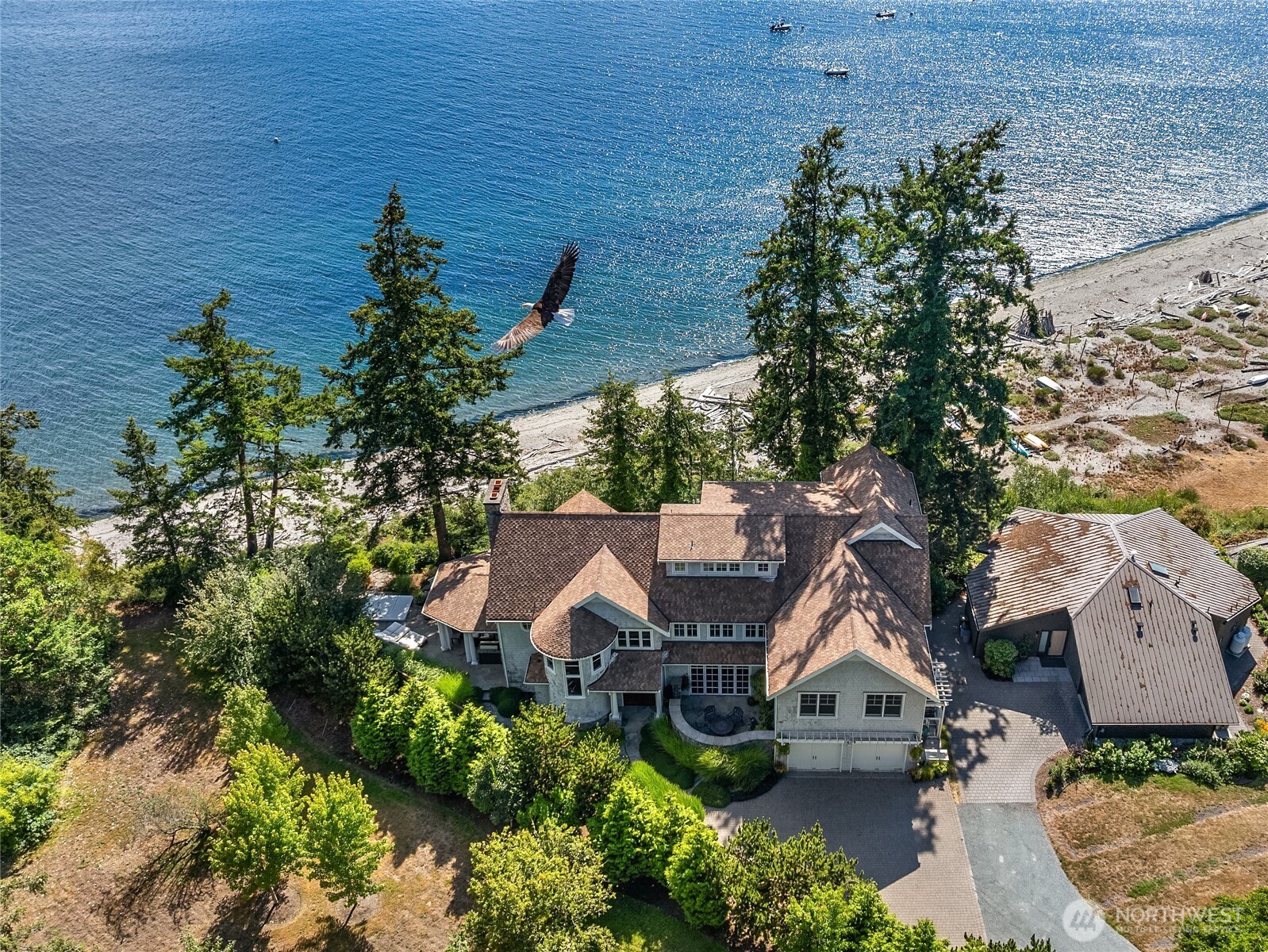
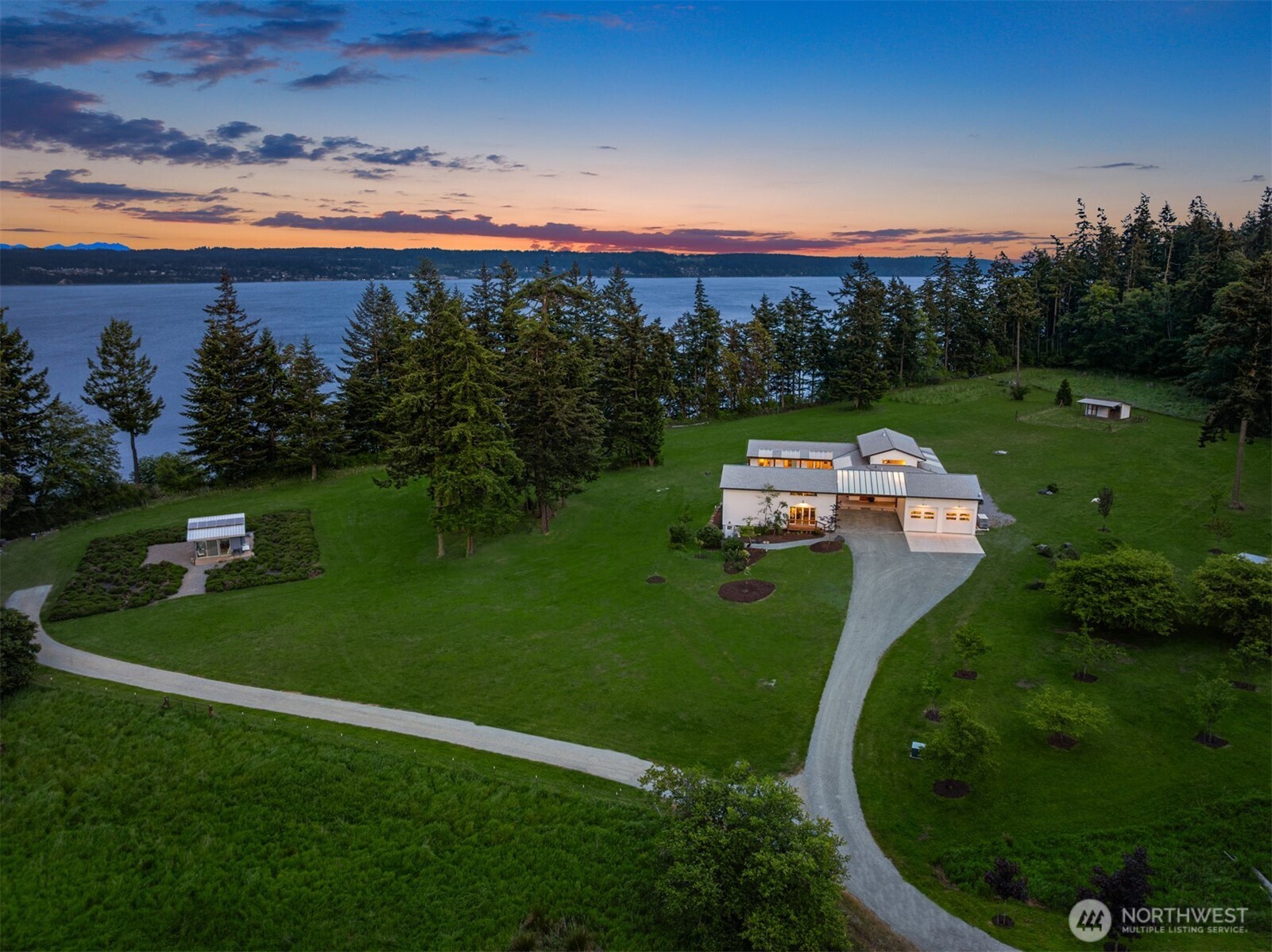
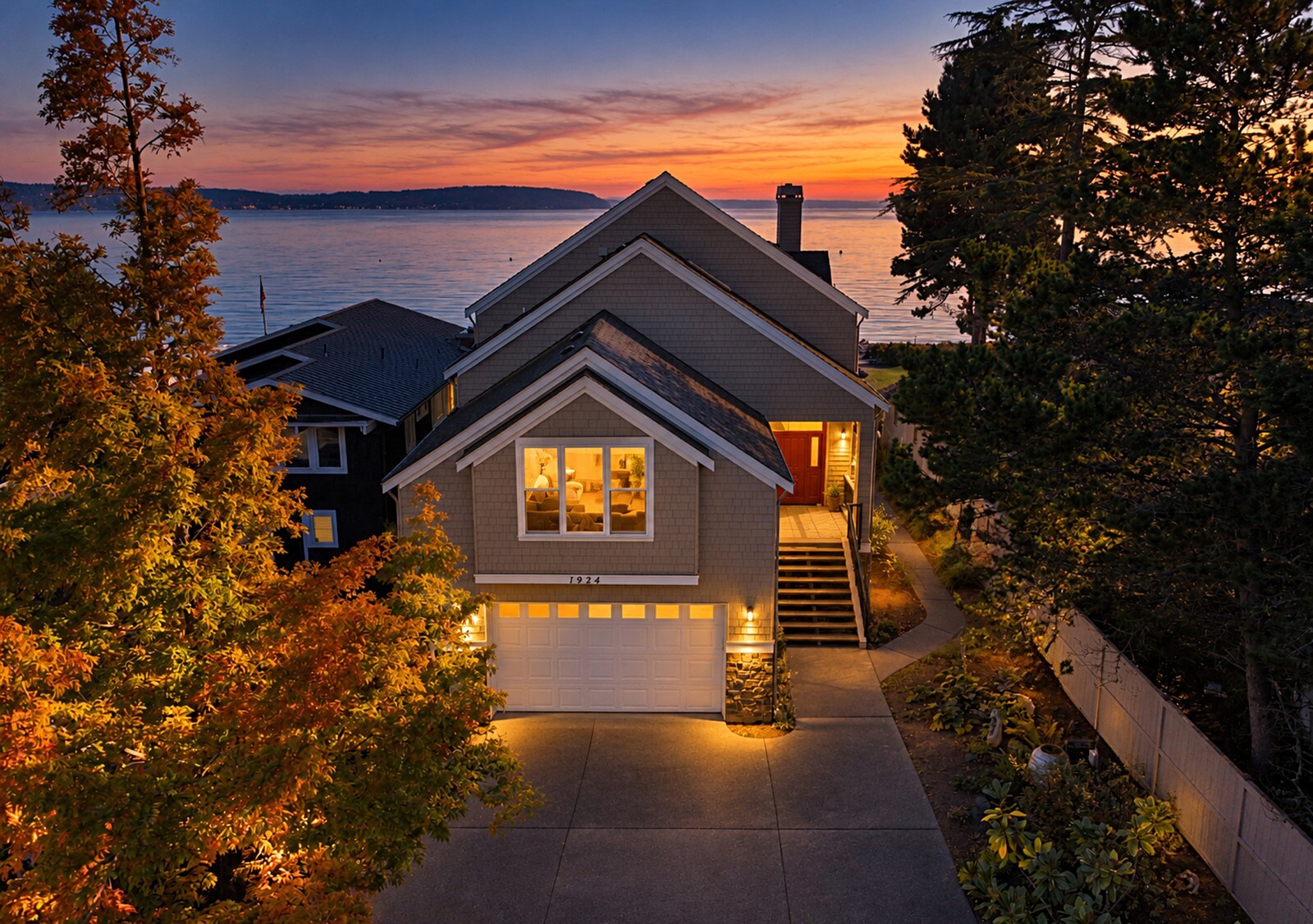
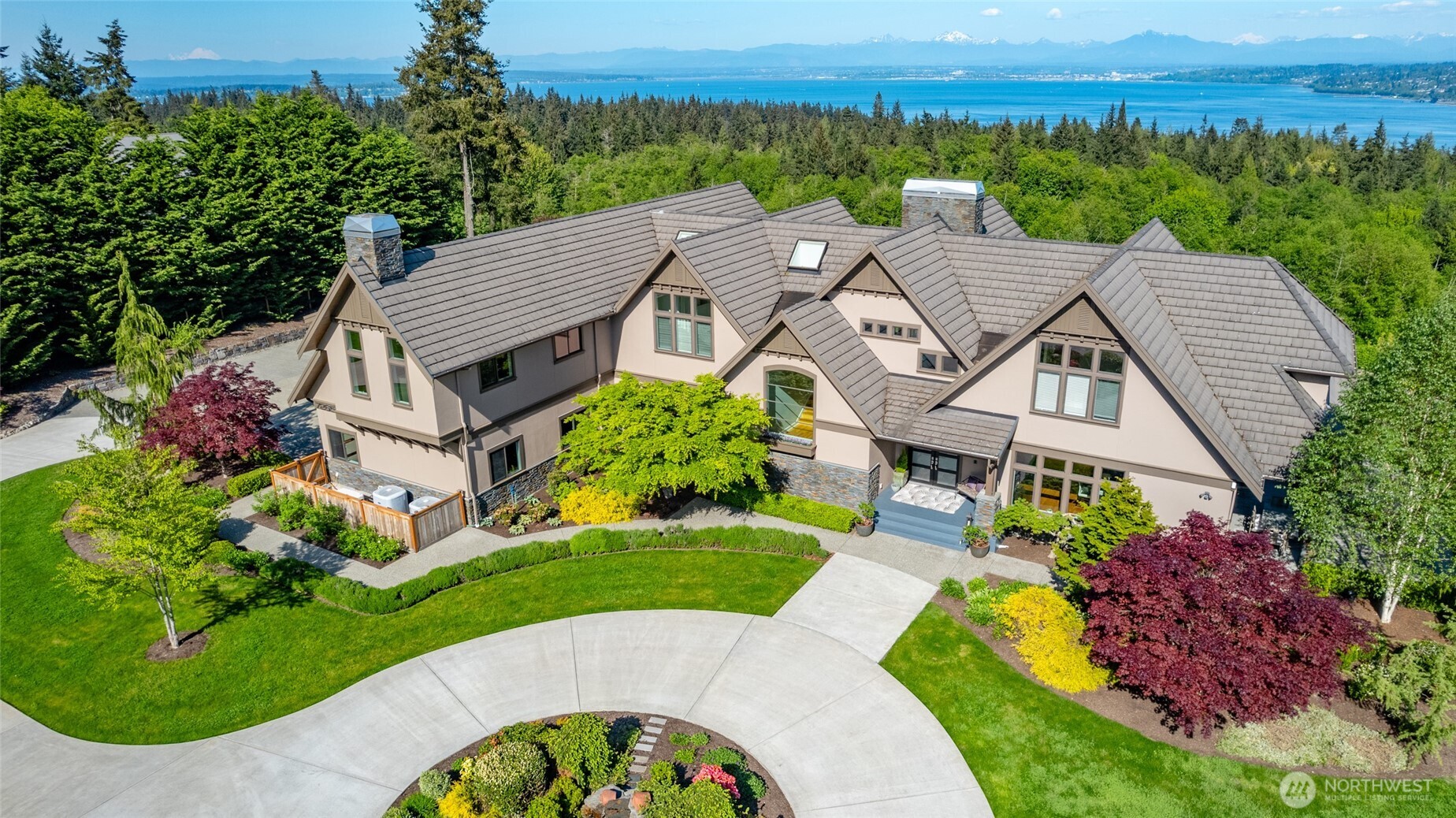
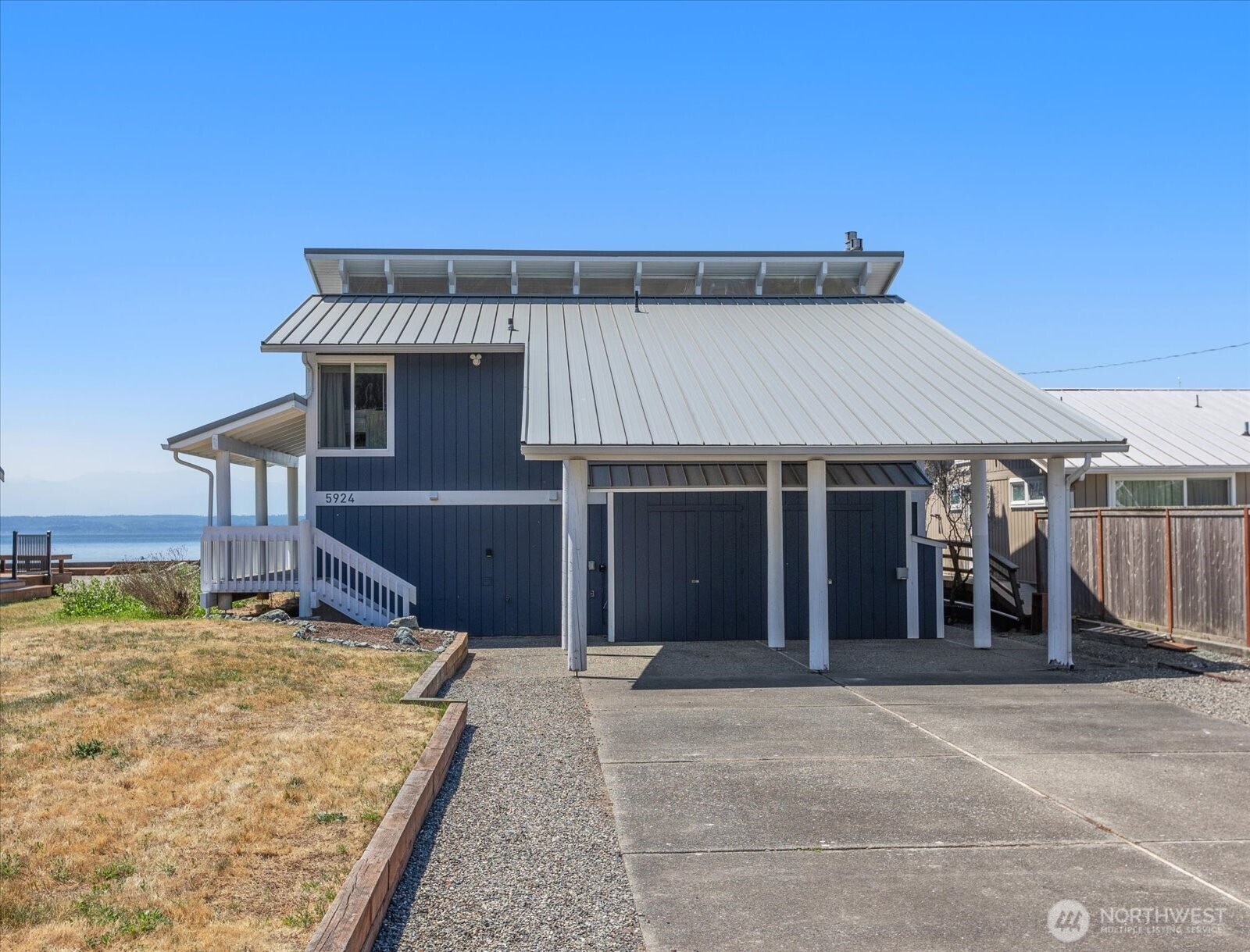
Life on Whidbey Island feels special. Maybe it’s the quiet beauty of a morning by the water, the pleasure of discovering a new farm stand, or the familiar faces you see around town. From forest trails and local art to evenings watching the sun set over the water on your favorite sandy beach, island life invites you to slow down, get outside, and feel connected to the place you call home.
Stretching through the heart of Puget Sound, Whidbey offers a wonderful mix of coastal villages, historic waterfronts, working farms, wooded acreage, and wide-open views. Each community has its own personality, and the pace of life changes as you travel from one end of the island to the other.
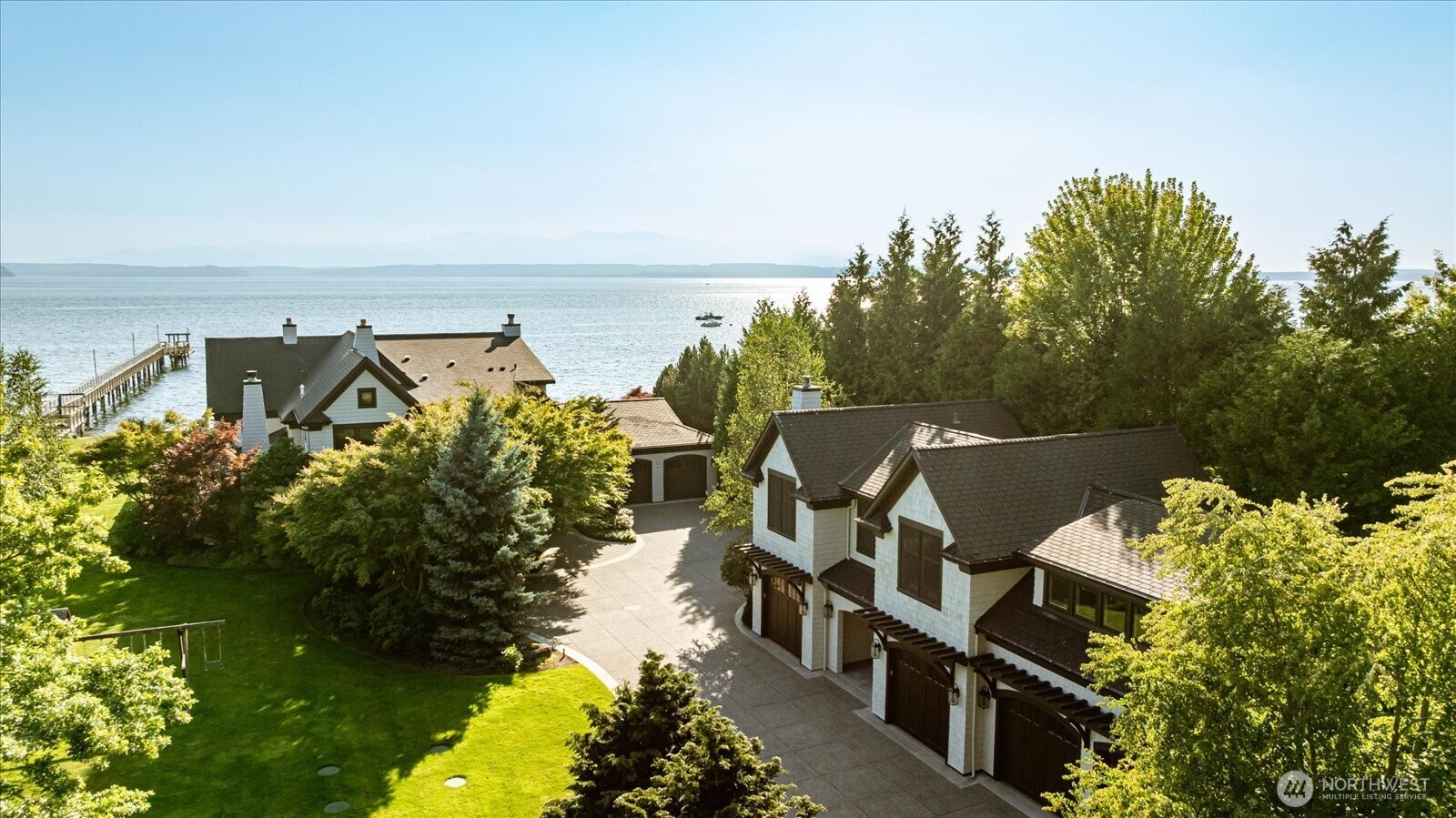
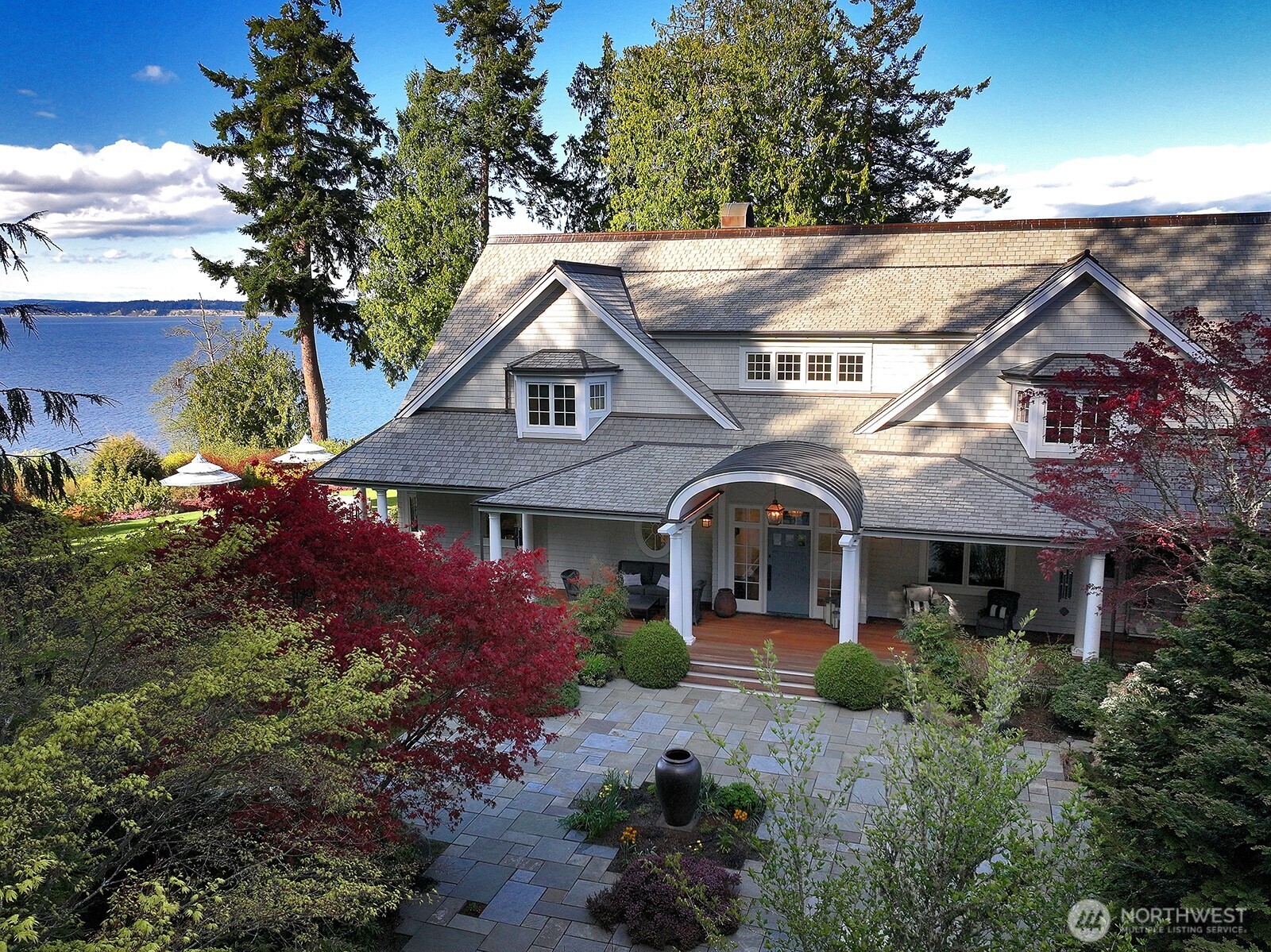
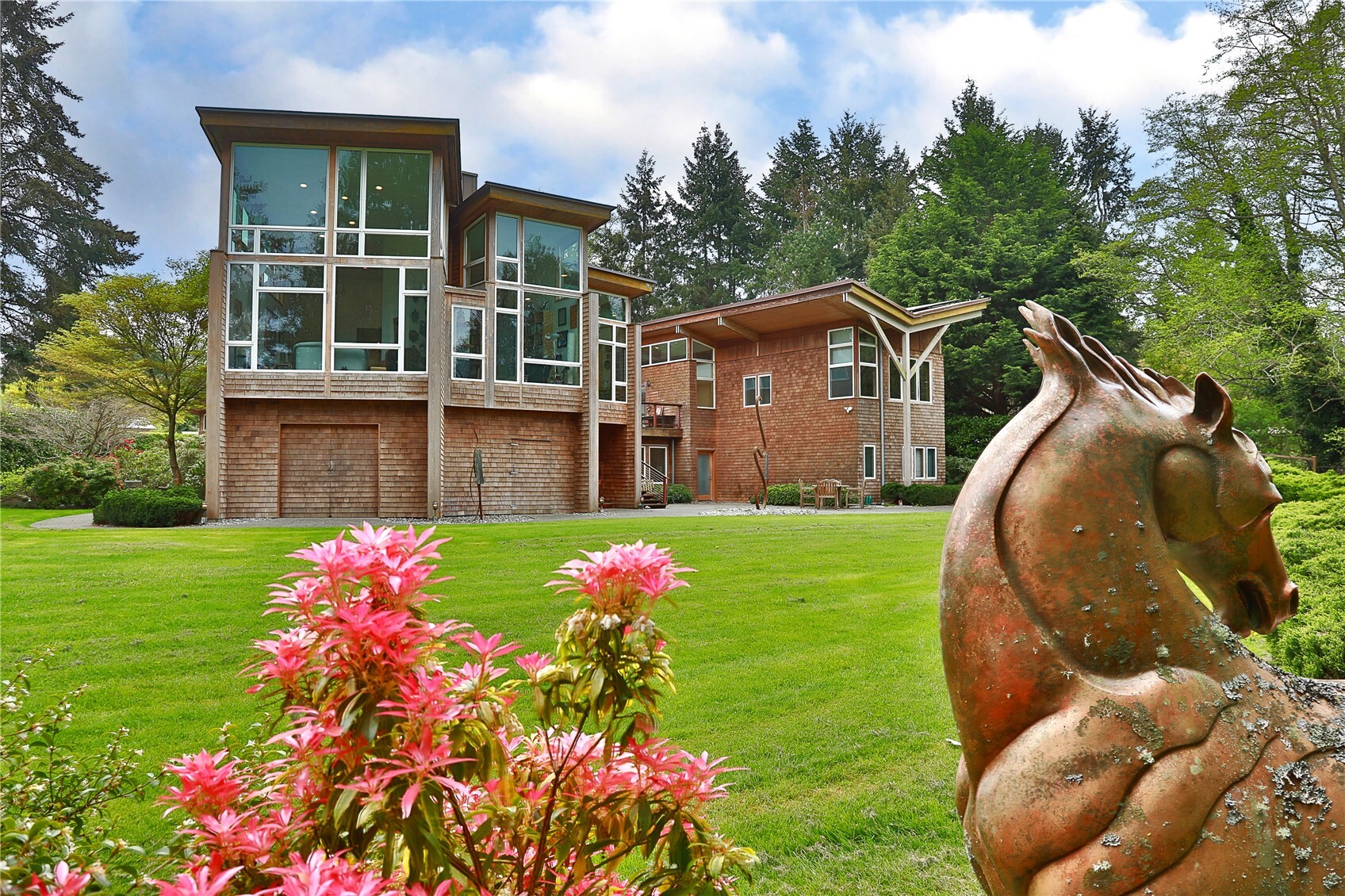
We especially appreciate South Whidbey, where creative communities, natural beauty, and a relaxed island lifestyle come together. Whether you’re dreaming of a village home, a waterfront property, a country farmhouse, or a little more room to spread out, there’s a lot to love about calling this island home.
On Whidbey, the outdoors is always within reach. Sandy beaches, forested trails, dramatic bluffs, quiet coves, and open farmland offer plenty of ways to enjoy nature year-round.
South Whidbey makes it easy to get outside and enjoy the island’s natural beauty. Spend the morning walking the beaches at Double Bluff or Maxwelton, head out on the water for kayaking, paddleboarding, kiteboarding, or surfing when conditions are right, or explore the forested trails at South Whidbey State Park and Saratoga Woods.
The scenery is always changing, too. Misty mornings give way to dramatic skies and clear afternoons, when the views stretch across Puget Sound toward the distant mountains. It’s all part of the beauty of living on the island.
Further north, Ebey’s Landing National Historical Reserve near Coupeville is one of Whidbey’s most remarkable landscapes. Historic farm fields, coastal bluffs, and panoramic views of the Olympic Mountains create a setting that feels both timeless and distinctly Pacific Northwest. Nearby Fort Casey and Fort Ebey offer more opportunities to explore the island’s shoreline, trails, and military history.
At the north end of the island, Deception Pass State Park is a destination in its own right, with rugged shorelines, forest trails, beaches, and spectacular views from the iconic bridge.
For many of us, the best part isn’t planning a big adventure. It’s knowing that a beautiful walk, a quiet beach, or a new trail can become part of an ordinary afternoon.
South Whidbey has a character that’s hard to capture in a brochure. It’s creative, community-minded, a little independent, and deeply connected to the natural surroundings. Life here can feel wonderfully unhurried, even while there’s always something happening.
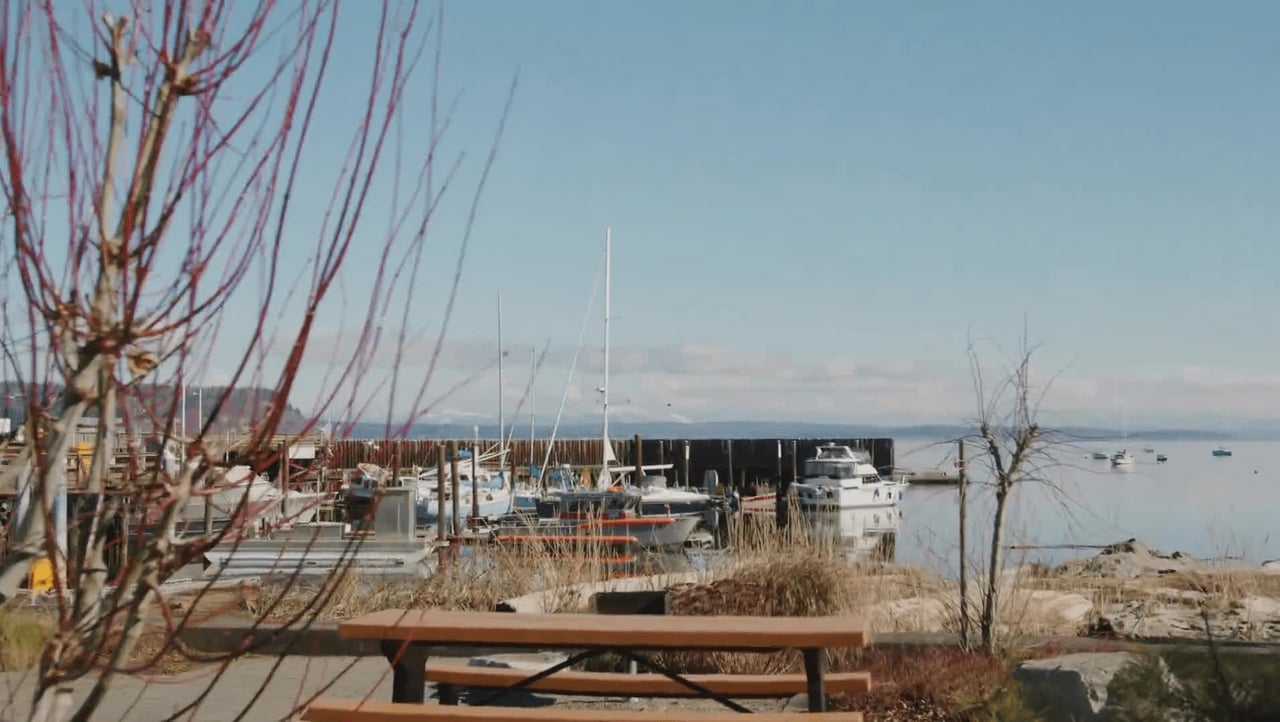
Perched above Saratoga Passage, Langley is the heart of South Whidbey’s village life. Its walkable downtown is filled with independent shops, art galleries, restaurants, cafés, and a historic movie theater. Whidbey Island Center for the Arts brings performances and cultural events to the community, while the waterfront offers places to pause, watch the boats, and take in the view.
Langley has a lively arts scene and a strong sense of community, with events and gatherings that bring neighbors together throughout the year. It’s a place to browse a bookstore, meet a friend for coffee, enjoy dinner downtown, or simply wander without much of a plan.
For residents, that combination of culture, natural beauty, and small-town connection is part of the appeal.
For many people, Clinton is their first glimpse of Whidbey Island, arriving by ferry from Mukilteo. But beyond the ferry landing, Clinton is also a community with its own quiet roads, beaches, wooded properties, and easy access to the rest of South Whidbey.
Its location makes it especially convenient for people commuting to the mainland or welcoming friends and family from Seattle and the surrounding area. From Clinton, you can head toward Langley for dinner, explore local parks, or take the scenic route through the island’s rural neighborhoods.
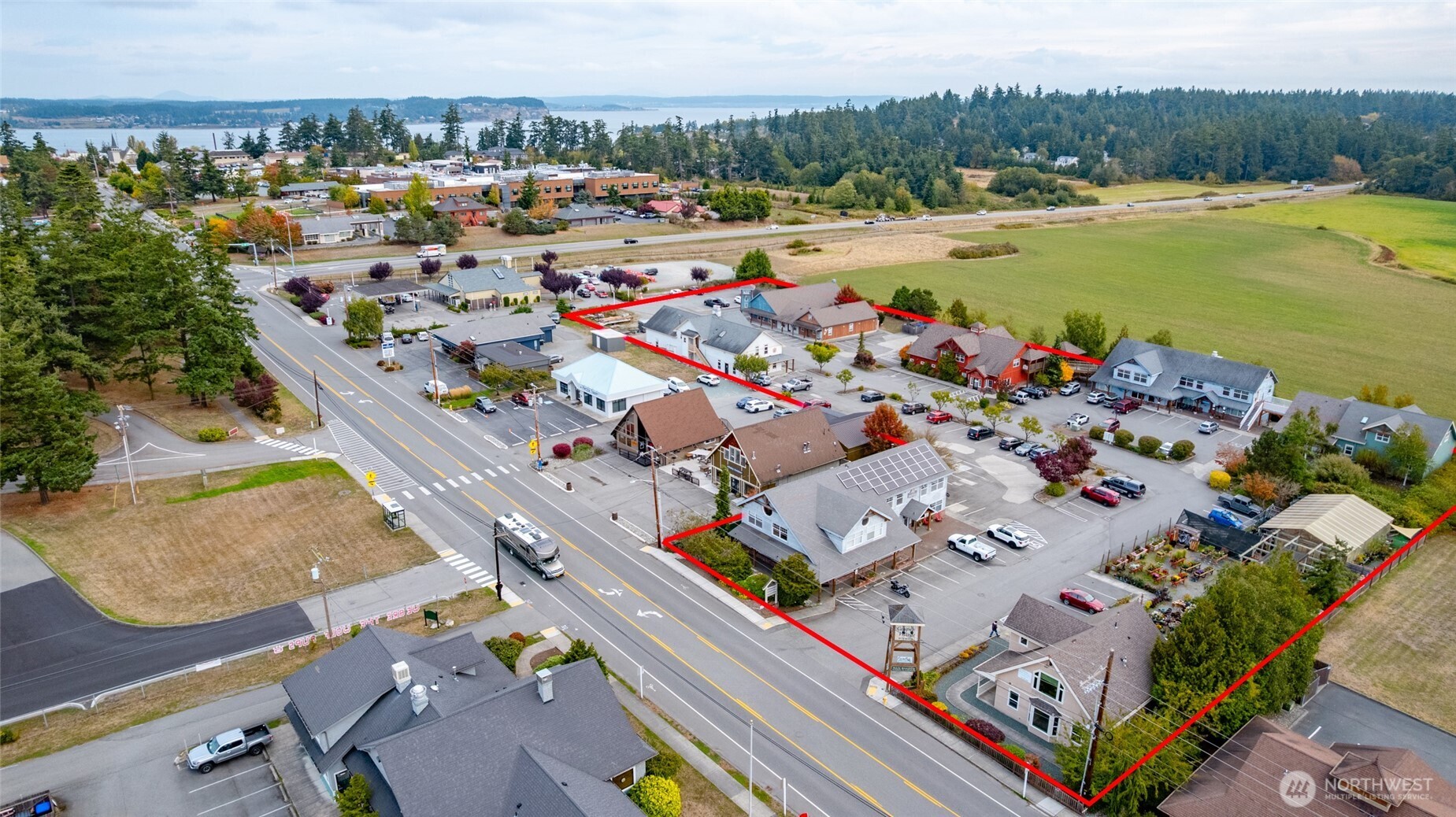
Freeland offers many of the practical conveniences that make daily life easier, along with parks, shoreline access, and a mix of local businesses. Nearby Bayview has a distinctly rural feel, with farms, garden centers, artisan businesses, and community gathering places.
The Bayview area is a favorite for those who enjoy browsing local markets, finding plants for the garden, supporting small businesses, and discovering the people behind the products. Throughout the year, seasonal farm offerings and community markets connect residents with the island’s agricultural roots.
This part of South Whidbey offers a lovely balance: convenient access to everyday essentials, with country roads, beaches, and open space close at hand.
North of Freeland, Greenbank offers another side of island life. Greenbank Farm is a beloved gathering place, with walking paths, open fields, local shops, and seasonal events. Nearby Meerkerk Gardens invites visitors to wander through woodland paths and beautifully established rhododendron gardens.
The surrounding area feels rural and spacious, with a mix of farmland, forest, and country properties. It’s a wonderful place to explore when you’re looking for a quieter afternoon or simply want to enjoy the landscape.
Travel north and the island’s character shifts again. Coupeville, one of Washington’s oldest towns, is known for its historic waterfront, wooden pier, preserved buildings, and connection to Penn Cove. The town has a strong sense of history and a walkable downtown with local shops, restaurants, and waterfront views.
The surrounding Central Whidbey landscape is especially distinctive. Within Ebey’s Landing National Historical Reserve, historic farmsteads and working agricultural land sit alongside coastal trails and sweeping views. Fort Casey State Park adds another layer of history, with its former coastal defense batteries and lighthouse overlooking Admiralty Inlet.
Penn Cove mussels are a local specialty, and the area’s food, farms, and maritime heritage are closely connected. Coupeville offers a different pace from South Whidbey—rich in history, scenic beauty, and small-town charm, with a landscape that feels deeply rooted in the island’s past.
At the north end of Whidbey, Oak Harbor is the island’s largest city and has a different energy from the smaller communities farther south. Naval Air Station Whidbey Island is a major part of the local economy and identity, and the Navy community brings people and families from across the country to make a home here.
Oak Harbor offers more urban conveniences, shopping, services, and community amenities, along with parks and access to the northern island’s outdoor attractions. Its connection to the Navy is an important part of Whidbey’s story, while its location also makes it a natural base for exploring Deception Pass and the north end of the island.
From Oak Harbor’s active community to the quieter villages of South Whidbey, the island offers several distinct ways to live. Finding the right fit often comes down to the lifestyle, surroundings, and sense of community you’re looking for.
Whidbey’s food culture reflects its landscape. Local farms, seafood, seasonal produce, artisan makers, and independent restaurants all contribute to the island’s distinctive flavor.
On South Whidbey, a Saturday might mean visiting a farmers market, stopping at a farm stand, picking up something special for dinner, or lingering over a meal in Langley. Garden lovers can browse local nurseries and seasonal plant sales, while those who enjoy discovering handmade goods and antiques will find plenty of small businesses worth exploring.
Across the island, restaurants celebrate local ingredients and regional specialties, from Penn Cove mussels to farm-fresh produce. The experience is often as much about the people and setting as it is about the food.
It’s one of the pleasures of living here: getting to know the farms, makers, growers, and small businesses that give the island its personality.
Whidbey Island has long attracted artists, makers, musicians, writers, and people who appreciate a creative life. Galleries, studios, theaters, festivals, and community events provide opportunities to experience local talent and connect with neighbors.
South Whidbey, in particular, has a vibrant creative spirit. Langley’s galleries and performing arts scene are complemented by community gatherings, local markets, and events throughout the year. In other parts of the island, historic sites, museums, festivals, and local organizations offer their own ways to connect with the region’s culture and history.
Community is often found in the everyday moments: recognizing familiar faces downtown, chatting with a vendor at the market, volunteering for a local event, or running into neighbors on a favorite trail.
Island living has its own rhythms. The weather can change quickly, the marine layer can roll in and out, and ferry travel is part of life for many residents. Depending on where you live, daily errands may involve a short walk through town or a drive along winding country roads.
Those rhythms are part of what makes choosing the right location so important. Some people love being within walking distance of Langley’s shops and restaurants. Others want acreage, gardens, privacy, or a home near the beach. Some prefer the convenience of Freeland, the rural feel of Greenbank, the history of Coupeville, or the amenities of Oak Harbor.
Whidbey isn’t one-size-fits-all—and that’s part of its charm.
The island offers room for many different lifestyles, whether you’re relocating, buying your first home, looking for a weekend retreat, or ready for a new chapter.
For those drawn to a creative, connected, nature-filled lifestyle, South Whidbey is a special place to put down roots. You’ll find a walkable village, working farms, forest trails, beaches, independent businesses, and a community that values the unique character of island life.
The Mukilteo–Clinton ferry connects South Whidbey with the mainland, making trips to and from the Seattle area possible while still allowing you to return to a very different pace of life. And with the rest of Whidbey stretching north toward Coupeville and Deception Pass, there’s always more to explore.
At Team Langley, we believe finding a home is also about finding your place in a community. We love helping people discover the different neighborhoods, landscapes, and lifestyles that make Whidbey Island so special—with a particular love for the villages and rural beauty of South Whidbey.
Thinking about making Whidbey Island home? We’d love to help you explore South Whidbey and find the place that feels right for you.
View More Whidbey Island Properties
Based on information submitted to the MLS GRID as of . All data is obtained from various sources and may not have been verified by the broker or MLS GRID. Supplied Open House Information is subject to change without notice. All information should be independently reviewed and verified for accuracy. Properties may or may not be listed by the office/agent presenting the information.
Life on Whidbey Island feels special. Maybe it’s the quiet beauty of a morning by the water, the pleasure of discovering a new farm stand, or the familiar faces you see around town. From forest trails and local art to evenings watching the sun set over the water on your favorite sandy beach, island life invites you to slow down, get outside, and feel connected to the place you call home.
Stretching through the heart of Puget Sound, Whidbey offers a wonderful mix of coastal villages, historic waterfronts, working farms, wooded acreage, and wide-open views. Each community has its own personality, and the pace of life changes as you travel from one end of the island to the other.
We especially appreciate South Whidbey, where creative communities, natural beauty, and a relaxed island lifestyle come together. Whether you’re dreaming of a village home, a waterfront property, a country farmhouse, or a little more room to spread out, there’s a lot to love about calling this island home.
On Whidbey, the outdoors is always within reach. Sandy beaches, forested trails, dramatic bluffs, quiet coves, and open farmland offer plenty of ways to enjoy nature year-round.
South Whidbey makes it easy to get outside and enjoy the island’s natural beauty. Spend the morning walking the beaches at Double Bluff or Maxwelton, head out on the water for kayaking, paddleboarding, kiteboarding, or surfing when conditions are right, or explore the forested trails at South Whidbey State Park and Saratoga Woods.
The scenery is always changing, too. Misty mornings give way to dramatic skies and clear afternoons, when the views stretch across Puget Sound toward the distant mountains. It’s all part of the beauty of living on the island.
Further north, Ebey’s Landing National Historical Reserve near Coupeville is one of Whidbey’s most remarkable landscapes. Historic farm fields, coastal bluffs, and panoramic views of the Olympic Mountains create a setting that feels both timeless and distinctly Pacific Northwest. Nearby Fort Casey and Fort Ebey offer more opportunities to explore the island’s shoreline, trails, and military history.
At the north end of the island, Deception Pass State Park is a destination in its own right, with rugged shorelines, forest trails, beaches, and spectacular views from the iconic bridge.
For many of us, the best part isn’t planning a big adventure. It’s knowing that a beautiful walk, a quiet beach, or a new trail can become part of an ordinary afternoon.
South Whidbey has a character that’s hard to capture in a brochure. It’s creative, community-minded, a little independent, and deeply connected to the natural surroundings. Life here can feel wonderfully unhurried, even while there’s always something happening.
Perched above Saratoga Passage, Langley is the heart of South Whidbey’s village life. Its walkable downtown is filled with independent shops, art galleries, restaurants, cafés, and a historic movie theater. Whidbey Island Center for the Arts brings performances and cultural events to the community, while the waterfront offers places to pause, watch the boats, and take in the view.
Langley has a lively arts scene and a strong sense of community, with events and gatherings that bring neighbors together throughout the year. It’s a place to browse a bookstore, meet a friend for coffee, enjoy dinner downtown, or simply wander without much of a plan.
For residents, that combination of culture, natural beauty, and small-town connection is part of the appeal.
For many people, Clinton is their first glimpse of Whidbey Island, arriving by ferry from Mukilteo. But beyond the ferry landing, Clinton is also a community with its own quiet roads, beaches, wooded properties, and easy access to the rest of South Whidbey.
Its location makes it especially convenient for people commuting to the mainland or welcoming friends and family from Seattle and the surrounding area. From Clinton, you can head toward Langley for dinner, explore local parks, or take the scenic route through the island’s rural neighborhoods.
Freeland offers many of the practical conveniences that make daily life easier, along with parks, shoreline access, and a mix of local businesses. Nearby Bayview has a distinctly rural feel, with farms, garden centers, artisan businesses, and community gathering places.
The Bayview area is a favorite for those who enjoy browsing local markets, finding plants for the garden, supporting small businesses, and discovering the people behind the products. Throughout the year, seasonal farm offerings and community markets connect residents with the island’s agricultural roots.
This part of South Whidbey offers a lovely balance: convenient access to everyday essentials, with country roads, beaches, and open space close at hand.
North of Freeland, Greenbank offers another side of island life. Greenbank Farm is a beloved gathering place, with walking paths, open fields, local shops, and seasonal events. Nearby Meerkerk Gardens invites visitors to wander through woodland paths and beautifully established rhododendron gardens.
The surrounding area feels rural and spacious, with a mix of farmland, forest, and country properties. It’s a wonderful place to explore when you’re looking for a quieter afternoon or simply want to enjoy the landscape.
Travel north and the island’s character shifts again. Coupeville, one of Washington’s oldest towns, is known for its historic waterfront, wooden pier, preserved buildings, and connection to Penn Cove. The town has a strong sense of history and a walkable downtown with local shops, restaurants, and waterfront views.
The surrounding Central Whidbey landscape is especially distinctive. Within Ebey’s Landing National Historical Reserve, historic farmsteads and working agricultural land sit alongside coastal trails and sweeping views. Fort Casey State Park adds another layer of history, with its former coastal defense batteries and lighthouse overlooking Admiralty Inlet.
Penn Cove mussels are a local specialty, and the area’s food, farms, and maritime heritage are closely connected. Coupeville offers a different pace from South Whidbey—rich in history, scenic beauty, and small-town charm, with a landscape that feels deeply rooted in the island’s past.
At the north end of Whidbey, Oak Harbor is the island’s largest city and has a different energy from the smaller communities farther south. Naval Air Station Whidbey Island is a major part of the local economy and identity, and the Navy community brings people and families from across the country to make a home here.
Oak Harbor offers more urban conveniences, shopping, services, and community amenities, along with parks and access to the northern island’s outdoor attractions. Its connection to the Navy is an important part of Whidbey’s story, while its location also makes it a natural base for exploring Deception Pass and the north end of the island.
From Oak Harbor’s active community to the quieter villages of South Whidbey, the island offers several distinct ways to live. Finding the right fit often comes down to the lifestyle, surroundings, and sense of community you’re looking for.
Whidbey’s food culture reflects its landscape. Local farms, seafood, seasonal produce, artisan makers, and independent restaurants all contribute to the island’s distinctive flavor.
On South Whidbey, a Saturday might mean visiting a farmers market, stopping at a farm stand, picking up something special for dinner, or lingering over a meal in Langley. Garden lovers can browse local nurseries and seasonal plant sales, while those who enjoy discovering handmade goods and antiques will find plenty of small businesses worth exploring.
Across the island, restaurants celebrate local ingredients and regional specialties, from Penn Cove mussels to farm-fresh produce. The experience is often as much about the people and setting as it is about the food.
It’s one of the pleasures of living here: getting to know the farms, makers, growers, and small businesses that give the island its personality.
Whidbey Island has long attracted artists, makers, musicians, writers, and people who appreciate a creative life. Galleries, studios, theaters, festivals, and community events provide opportunities to experience local talent and connect with neighbors.
South Whidbey, in particular, has a vibrant creative spirit. Langley’s galleries and performing arts scene are complemented by community gatherings, local markets, and events throughout the year. In other parts of the island, historic sites, museums, festivals, and local organizations offer their own ways to connect with the region’s culture and history.
Community is often found in the everyday moments: recognizing familiar faces downtown, chatting with a vendor at the market, volunteering for a local event, or running into neighbors on a favorite trail.
Island living has its own rhythms. The weather can change quickly, the marine layer can roll in and out, and ferry travel is part of life for many residents. Depending on where you live, daily errands may involve a short walk through town or a drive along winding country roads.
Those rhythms are part of what makes choosing the right location so important. Some people love being within walking distance of Langley’s shops and restaurants. Others want acreage, gardens, privacy, or a home near the beach. Some prefer the convenience of Freeland, the rural feel of Greenbank, the history of Coupeville, or the amenities of Oak Harbor.
Whidbey isn’t one-size-fits-all—and that’s part of its charm.
The island offers room for many different lifestyles, whether you’re relocating, buying your first home, looking for a weekend retreat, or ready for a new chapter.
For those drawn to a creative, connected, nature-filled lifestyle, South Whidbey is a special place to put down roots. You’ll find a walkable village, working farms, forest trails, beaches, independent businesses, and a community that values the unique character of island life.
The Mukilteo–Clinton ferry connects South Whidbey with the mainland, making trips to and from the Seattle area possible while still allowing you to return to a very different pace of life. And with the rest of Whidbey stretching north toward Coupeville and Deception Pass, there’s always more to explore.
At Team Langley, we believe finding a home is also about finding your place in a community. We love helping people discover the different neighborhoods, landscapes, and lifestyles that make Whidbey Island so special—with a particular love for the villages and rural beauty of South Whidbey.
Thinking about making Whidbey Island home? We’d love to help you explore South Whidbey and find the place that feels right for you.