Dreaming of open fields, room for animals, and a home that feels connected to the land? On Whidbey Island, acreage can offer all of that, but it also comes with questions that do not always show up in a standard home search. If you are thinking about buying pasture property or rural land here, this guide will help you understand what matters most before you make an offer. Let’s dive in.
Why Whidbey acreage works differently
On Whidbey Island, acreage is not just a bigger version of an in-town lot. Island County treats much of this land as rural, with separate zoning categories for rural, rural agriculture, rural forest, and commercial agriculture areas. That matters because two parcels with the same number of acres can allow very different uses.
In practical terms, the land you buy and the land you can actually build on may not be the same thing. Critical areas, shoreline rules, access requirements, and utility availability can reduce the usable footprint of a property. When you look at acreage on Whidbey, the real question is not just “How big is it?” but “What can you do with it?”
Start with zoning and overlays
Before you get attached to a pasture view or barn potential, confirm the parcel’s zoning and land-use overlays. Island County ties parcel review to zoning and permits, not acreage alone. That means the legal framework for the property should shape your expectations from day one.
You will also want to ask about wetlands, streams, fish and wildlife habitat, critical aquifer recharge areas, flood risk, geologic hazards, and shoreline jurisdiction. Island County notes that not all wetlands and streams are mapped, so a clean-looking map does not guarantee a parcel is free of regulation. In some cases, additional consultant reports may be required before development can move forward.
Why map layers are only a starting point
A parcel map can be helpful, but it is not the whole story. If critical areas are present, Island County may require a wetland report, a biological site assessment, or other technical review. Waterfront and near-water properties may also trigger shoreline approval, while floodplain review can apply separately.
This is one reason Whidbey land purchases reward a careful, local approach. A beautiful parcel may still be a strong fit, but only after you understand where the workable home site, driveway, septic area, and pasture space can realistically go.
Buildability comes down to key systems
For many buyers, the biggest shift from town living to rural property is infrastructure. On Whidbey, buildability often depends on access, water, septic, and site readiness long before house plans enter the picture. These items are not small details. They are central to whether a property will work for your goals.
Since March 1, 2024, Island County requires several items before it will accept a building permit submittal. Those include site registration, septic design, an approved access permit, a site address, and water availability verification. If you are buying land for a future build, this checklist should be part of your early due diligence.
Access and driveway approval
Approved access is more than a convenience issue. The county’s access-permit process covers driveway access from a county road or, when applicable, the state highway system. Your site address is also assigned based on the driveway location.
That means access is not something to sort out later. A parcel may have acreage and privacy, but if driveway approval is complicated, your timeline and costs can change quickly.
Water questions to ask early
Water can be one of the biggest differences between a rural property and a neighborhood home. Island County defines an individual water system as a private well serving one single-family residence, or two residences on the same parcel. If a well serves more than one parcel, it is treated as a public water system.
You should also ask whether the property is in an area with elevated seawater-intrusion risk. Island County tracks this risk from low to very high using nearby well data. If a property relies on a shared well, confirm whether there is a legal water-users’ agreement in place.
Septic is a major part of the equation
Septic matters on Whidbey because so many properties depend on it. Island County says about 72% of residents use septic systems, and a similar share rely on groundwater for drinking water. For buyers, that makes septic knowledge part of basic property literacy.
New or replacement septic systems require a site evaluation that looks at soil depth, texture, and water tables. The county also requires septic inspection at the time of property transfer. If a sewer district connection is available, the county accepts the applicable sewer connection certificate instead of a septic permit.
Buying pasture property for animals
If your goal is a horse property, hobby farm setup, or room for larger livestock, do not assume every acreage parcel will automatically fit that vision. Island County zoning allows livestock within the rural and agricultural framework, but there are limits tied to parcel size and land use. The details matter.
One especially important rule is that raising large livestock on lots smaller than 2.5 acres requires approval of an animal management plan. So if a listing mentions farm potential, it is wise to verify how the parcel size and zoning line up with your intended use.
Pasture quality is about more than acres
A field may look open and green, but pasture performance depends heavily on soils and drainage. The USDA NRCS notes that Web Soil Survey can help evaluate soil limitations, home-site suitability, and crop or forage potential. For a buyer, that means a flatter parcel is not automatically better pasture if the soil conditions are poor.
Local stewardship support also exists. Whidbey Island Conservation District offers voluntary help with pasture management, mud and manure management, grazing plans, nutrient management, and broader conservation planning. That can be valuable if you are buying rural land for the first time or planning to improve an existing setup.
Property taxes and current-use programs
Acreage economics can look different depending on how a property is taxed. Island County offers farm and agricultural current-use classification with acreage and income thresholds. The county also has a Public Benefit Rating System, often called PBRS, that can reduce taxes for qualifying open-space, agricultural, and timber lands.
PBRS generally requires at least 5 acres and an open-space resource. If a property is already enrolled in one of these programs, ask what that means for ownership going forward. Removal from PBRS can trigger repayment of reduced taxes and interest, so this is worth understanding before closing.
Whidbey due diligence checklist
If you are serious about an acreage or pasture property, a strong due diligence process can save you time, money, and frustration. Rural purchases often involve more moving parts than a standard residential transaction. Having a clear checklist helps you stay focused on what really matters.
Here are some of the most important items to confirm before or during your offer process:
- Verify zoning and land-use overlays
- Check for wetlands, streams, habitat areas, flood risk, geologic hazards, and shoreline jurisdiction
- Confirm whether access approval already exists or will need to be obtained
- Verify water availability and whether the system is an individual well, shared well, or public system
- Ask if the parcel is in an area with higher seawater-intrusion risk
- Request the septic as-built and the transfer inspection report
- Confirm whether a sewer connection certificate applies instead of septic
- Review any legal water-users’ agreement for a shared well
- Check whether the parcel is enrolled in current use or PBRS
- Consider whether soils and drainage match your pasture or building goals
When to bring in specialists
Some Whidbey properties are straightforward. Others are not. Island County’s own guidance points buyers toward licensed septic designers and qualified environmental consultants when a parcel is more complex than a standard rural homesite.
That extra step can be especially useful when the property has critical areas, uncertain septic feasibility, water questions, or a more ambitious pasture or build plan. On Whidbey, good advice early usually costs less than solving surprises later.
How to evaluate fit, not just features
The best acreage purchase is not always the one with the most land. It is the one that lines up with how you plan to live, build, and care for the property. A smaller parcel with clear access, solid water, workable soils, and fewer constraints may be a better long-term fit than a larger parcel with major unknowns.
As you compare options, think in layers. Start with legal use, then move to physical suitability, then day-to-day livability. That sequence can help you separate a beautiful idea from a practical investment.
Why local guidance matters on Whidbey
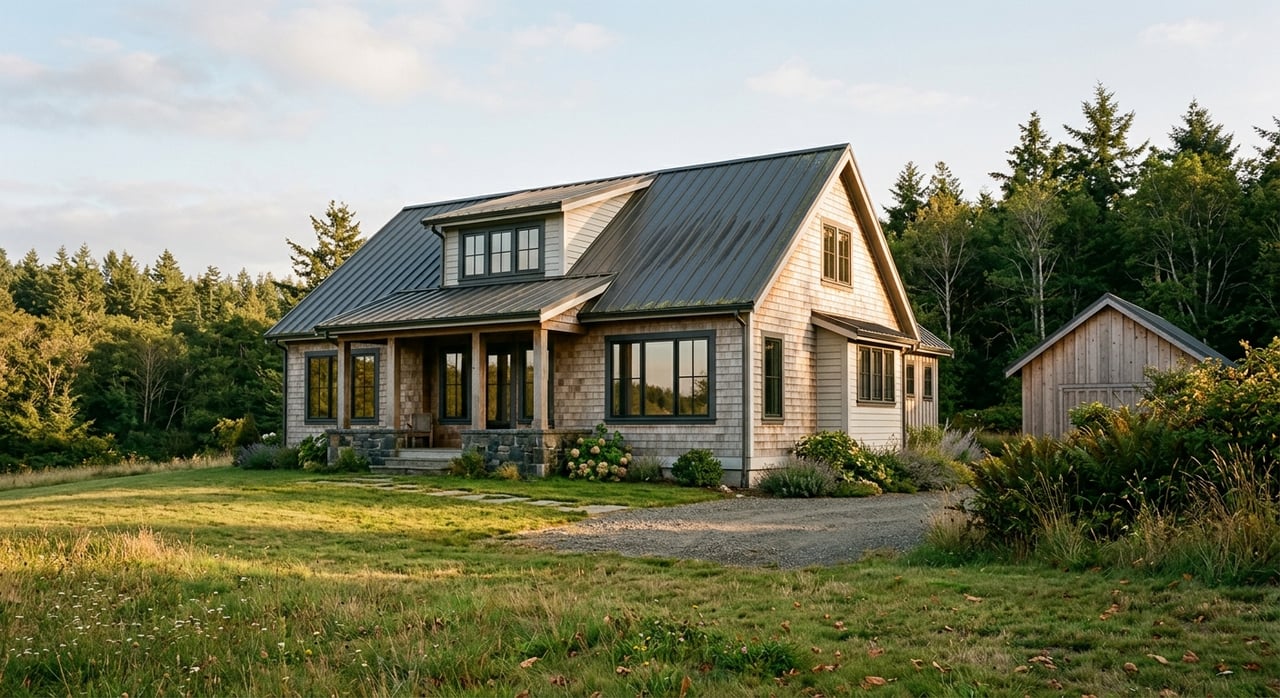
Whidbey Island has a special kind of appeal. Open pasture, tall evergreens, and wide skies can make a property feel full of possibility. But island acreage also asks for a more careful reading of land, systems, and county requirements than many buyers expect.
That is where local experience becomes valuable. If you want to buy with confidence, it helps to work with someone who understands how septic, wells, shoreline rules, land use, and rural permitting shape the real potential of a property.
If you are exploring acreage or pasture properties on Whidbey Island and want practical, island-specific guidance, connect with Amy Gulden to start your island story.
FAQs
What makes acreage on Whidbey Island different from a large residential lot?
- Whidbey acreage is often regulated as rural land, with zoning and overlays that affect how the parcel can be used, built on, or managed.
What does Island County require before accepting a building permit for Whidbey land?
- As of March 1, 2024, the county requires site registration, septic design, approved access permit, site address, and water availability verification before it will accept a building permit submittal.
What water issues should buyers check for on Whidbey Island acreage?
- You should confirm whether the property uses an individual well, shared well, or public system, and ask whether the parcel is in an area with higher seawater-intrusion risk.
What septic records should buyers request for a Whidbey acreage property?
- Ask for the septic as-built and the septic transfer inspection report, and confirm whether a sewer connection certificate applies if the property is served by a sewer district.
Can you keep livestock on any Whidbey Island acreage parcel?
- Not always. Island County allows livestock within its rural and agricultural framework, but raising large livestock on lots smaller than 2.5 acres requires approval of an animal management plan.
Do pasture properties on Whidbey Island qualify for lower property taxes?
- Some may. Island County offers current-use classification for qualifying farm and agricultural land, and PBRS may reduce taxes for qualifying open-space, agricultural, or timber land.