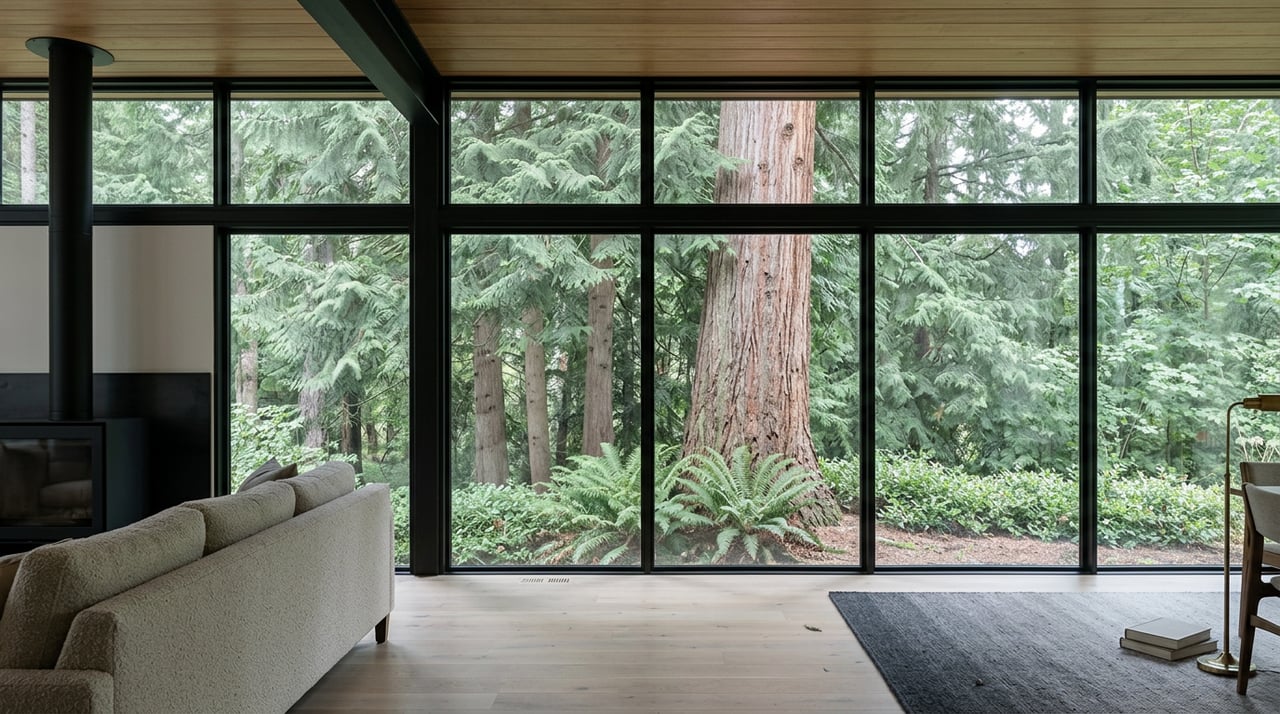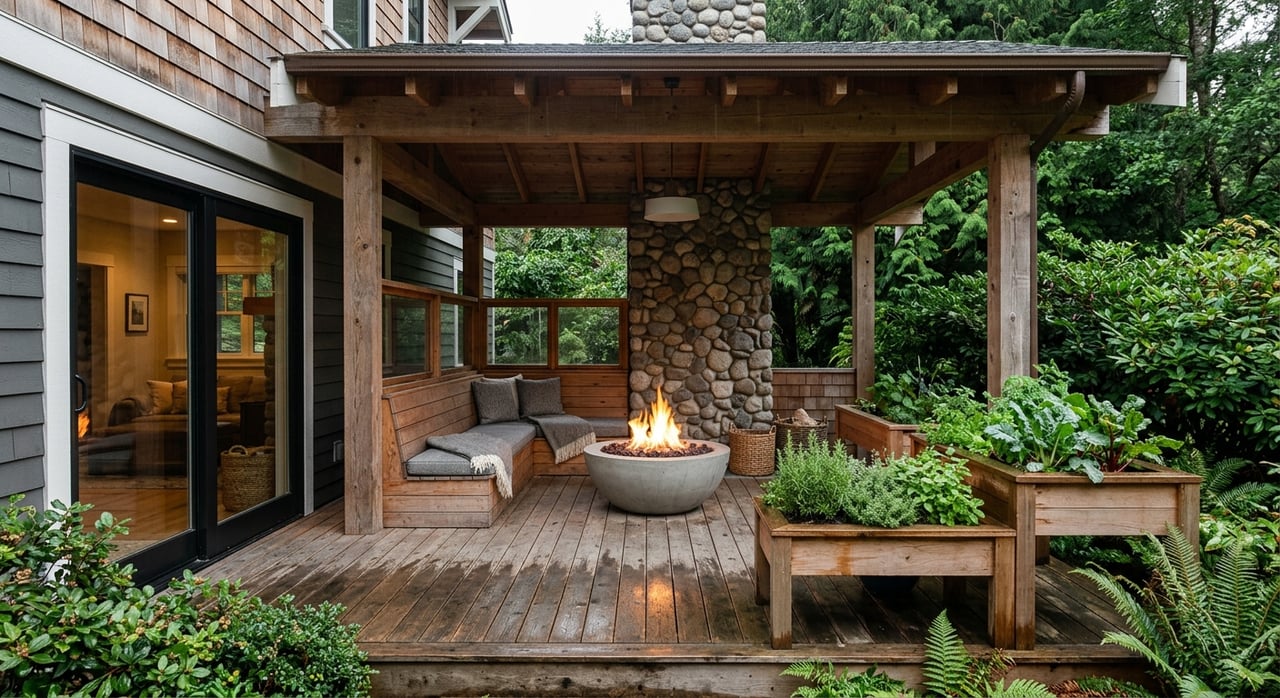
Dreaming of a porch that works in July and November on Whidbey? Outdoor living here can be beautiful, but it also asks you to design for wind, rain, salt air, deer, and site rules that are part of island life. If you want an outdoor space that feels relaxed, useful, and true to the setting, a little local strategy goes a long way. Let’s dive in.
Start With Whidbey’s Climate
Whidbey Island’s outdoor spaces are shaped by a temperate marine climate with dry summers and wet winters. Conditions also vary across the island because of a strong rain-shadow effect. County and state sources note that central and northern Whidbey are often drier, while south Whidbey tends to be wetter and more variable.
That range matters when you plan a deck, porch, or garden. One local source cites about 21.9 inches of annual rainfall at Ebey’s Landing and 35.7 inches at Clinton, while northern Whidbey near Ault Field is reported around 19 inches annually with a mean annual temperature near 50°F. In practical terms, your outdoor space needs to handle moisture without feeling closed off.
Wind is just as important. Island County identifies high wind and winter storms as common hazards, and planning materials note average annual wind speeds around 8.0 to 8.6 mph in some areas, with gusts that can reach 50 mph or more. That is why the most comfortable outdoor rooms on Whidbey usually include some combination of cover, drainage, and wind buffering.
Design for Shoulder Seasons
A fully exposed patio may look appealing on a sunny day, but it often falls short once the weather shifts. On Whidbey, a more flexible setup tends to work better through spring, fall, and the in-between days that are part of island living. The goal is not to block the outdoors. It is to make your space more usable more often.
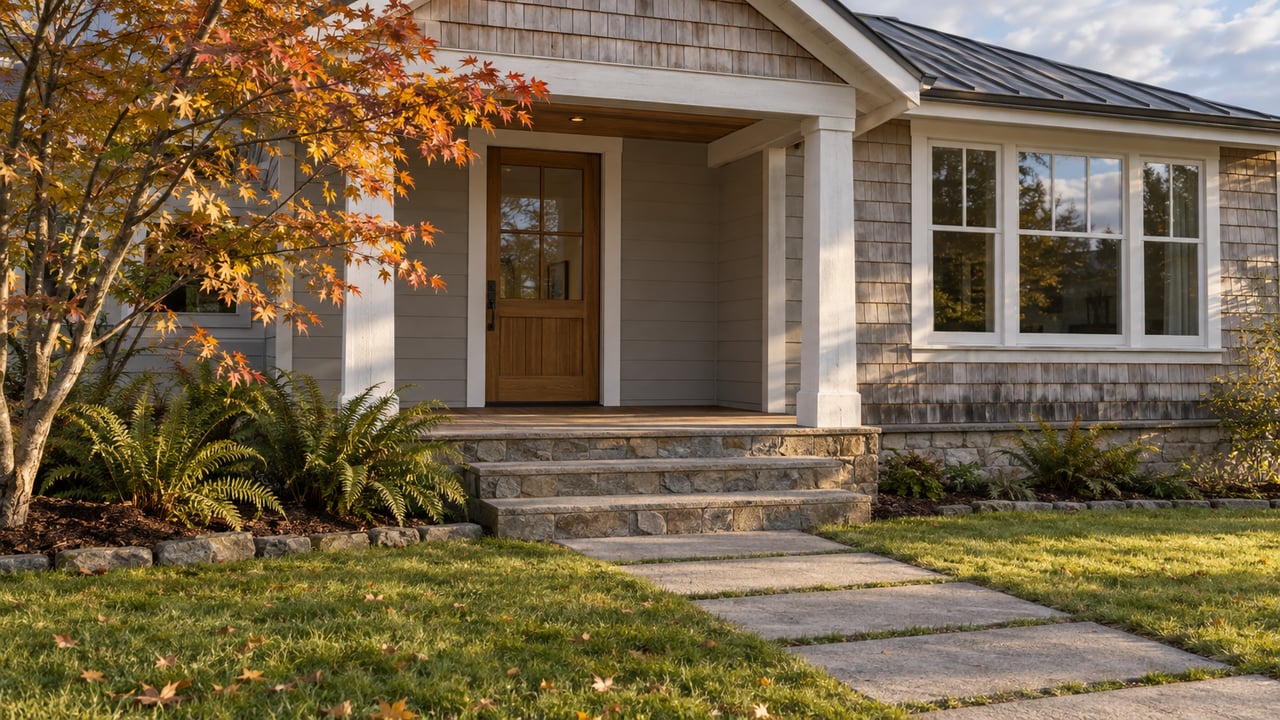
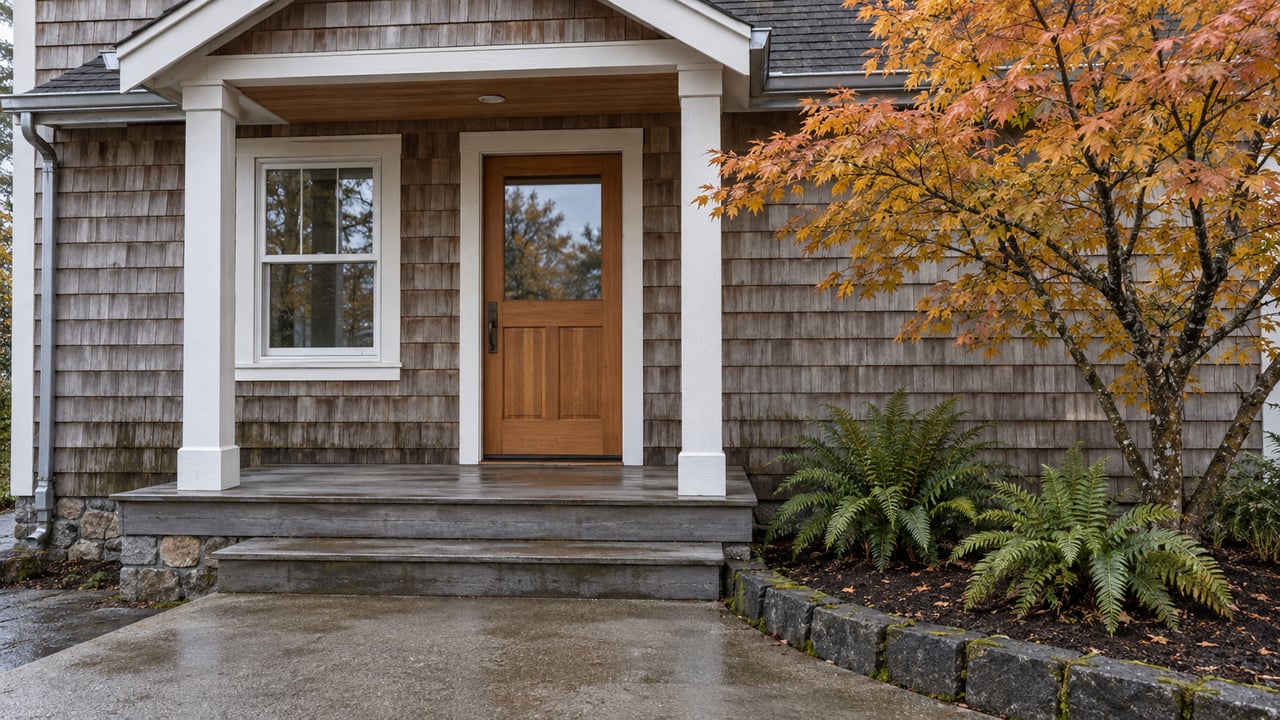
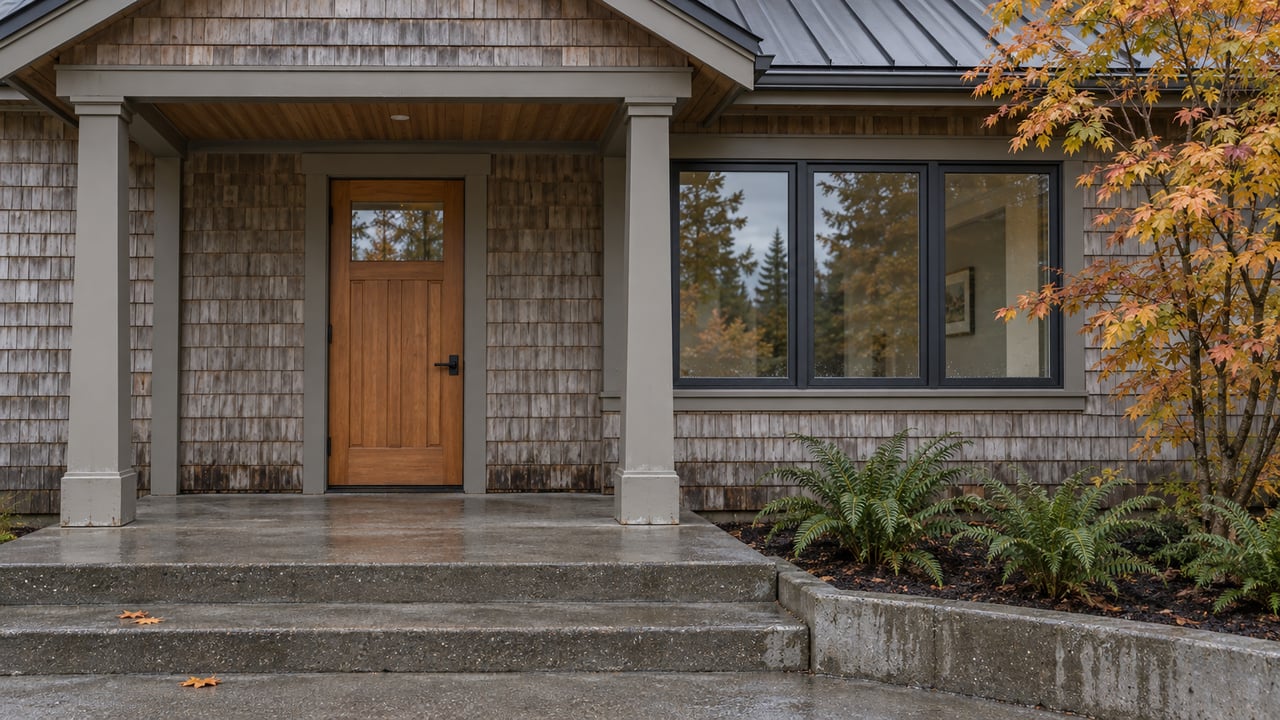
Covered porches, deep overhangs, and pergolas with weather protection can help extend the season. These features give you shelter from light rain and make it easier to enjoy morning coffee, outdoor dining, or a quiet evening outside when conditions are less than perfect. They also support that indoor-outdoor connection many buyers love in island homes.
If you are planning from scratch or updating an existing patio, think in layers instead of one big open zone. A dining area under cover, a separate sitting nook tucked from the wind, and a small sunny corner for container plants can make the whole yard feel more intentional. That kind of layout often feels both more polished and more practical.
Create Wind Protection Without Losing Views
On Whidbey, wind protection should be subtle. A tall solid fence can feel heavy and may block the very landscape you want to enjoy. In many cases, a lower wall, hedge, screen, or transparent windbreak creates a better balance by softening gusts while keeping light and sightlines intact.
This approach is especially helpful for view properties. If your lot looks toward water, fields, or open sky, you want your outdoor design to frame the setting rather than compete with it. A thoughtfully placed seating area on the leeward side of the house can often feel far more comfortable than a larger but more exposed deck.
The best island-friendly outdoor spaces tend to respond to the site rather than force a standard layout onto it. Pay attention to how wind moves across the property, where sun lands during the day, and which areas feel naturally sheltered. Those clues can guide better decisions than trend-driven design alone.
Plan Drainage Early
Good drainage is not the glamorous part of outdoor design, but it is one of the most important. With Whidbey’s wet season and periodic extreme precipitation, water management should be part of the plan from the beginning. If you ignore it, even a beautiful space can become messy, slippery, and expensive to maintain.
Hard surfaces should direct water away from the home and from main-use areas. Covered zones still need thoughtful runoff management, especially where roofs, patios, and walkways meet. Materials, grading, and surface choices all play a role in how comfortable your outdoor space feels after the rain.
This matters for resale too. Buyers tend to notice when an outdoor area feels solid underfoot, drains well, and looks easy to care for. A space that works smoothly in real life often makes a stronger impression than one that is purely decorative.
Choose Plants for Whidbey Conditions
A great island landscape should look like it belongs here. WSU Extension resources for Island County emphasize the practical realities of Whidbey living, including deer, private septic systems and wells, and fewer services in some areas. That makes durable, lower-input planting especially appealing.
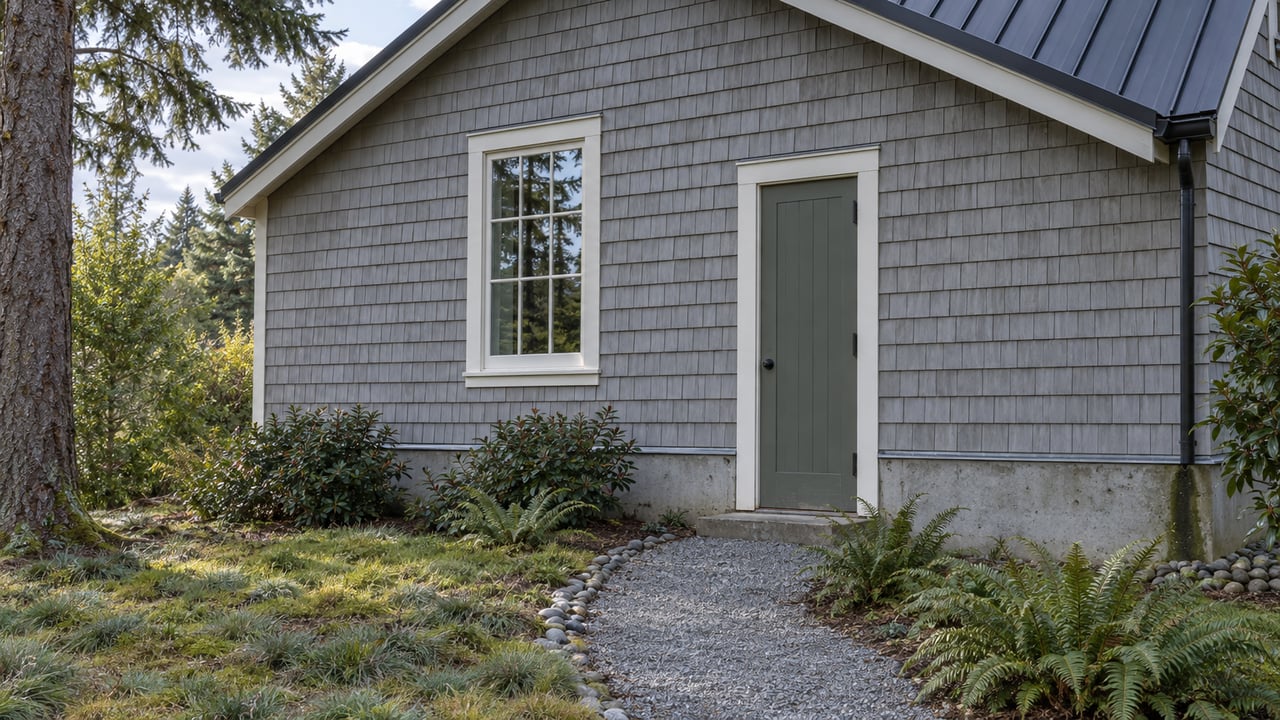
Local demonstration gardens highlight species that fit Whidbey conditions, including evergreen huckleberry, kinnikinnick, snowberry, ocean spray, salal, vine maple, deer fern, and sword fern. WSU also notes that native prairie plants are adapted to dry growing seasons and warm, wet winters. These are useful clues when you want a landscape that feels natural and asks for less from you over time.
Natural landscaping can also support water conservation and water quality. WSU advises using plants based on soil, sun and shade, water needs, and salt-spray exposure, and notes that the wrong plant in the wrong place can struggle. On exposed sites, especially near the water, that guidance is worth taking seriously.
Build Privacy With Planting
If privacy matters, planting can often do the job more gracefully than a hard barrier. Layered shrubs and native plant groupings can define an outdoor room, soften wind, and create a more finished look. They can also help a property feel settled into the landscape.
This is a smart move for owners who want screening without making the yard feel boxed in. On Whidbey, a view-preserving planting screen often fits the setting better than a heavy wall of fencing. It feels quieter, more natural, and often more in tune with the architecture people seek here.
For homeowners thinking ahead to resale, this kind of restraint can pay off. Buyers are often drawn to outdoor spaces that feel intentional and easy, not overbuilt. A landscape that balances privacy, usability, and openness tends to have broad appeal.
Add an Edible Garden Carefully
An edible garden can be a great fit on Whidbey, but placement matters. Rather than putting vegetables in a fully exposed area, it often makes more sense to create a sheltered kitchen-garden zone or a protected berry patch. That gives your plants a better chance while keeping the yard visually cohesive.
WSU’s Whidbey garden resources include edible-leaning native options such as serviceberry, wild strawberry, and huckleberry. These can help connect food production to a landscape that still feels island-appropriate. It is a practical way to blend beauty and function.
Deer are a real challenge on Whidbey, and local garden resources note that grazing pressure is significant. If you want edible beds to succeed, consider fencing, netting, or deer-resistant border planting. A little protection can make the difference between a productive garden and constant frustration.
Be Smart About Fire Features
A fire feature can make outdoor living feel warm and inviting, especially during cooler months. But on Whidbey, this is an area where local rules and safety should lead the design. Island County’s outdoor-burning guidance is the key local reference.
The county states that recreational fires under 3 feet in diameter and 2 feet high do not require a permit. At the same time, yard-debris and land-clearing burning are permanently banned in Coupeville, Freeland, Langley, and Oak Harbor and their urban growth areas, and burn barrels are illegal statewide. The county also posts burn-ban status online.
Because wildland fire is one of the county’s recurring hazards, spark control and supervision matter. In many cases, a gas fire table or gas fireplace is the easier fit for a covered porch or patio. It offers convenience, simpler day-to-day use, and fewer concerns for owners who want a polished outdoor gathering space.
Know When Shoreline Rules Apply
If your property is waterfront or near shore, design choices may involve more review than you expect. Island County says shoreline jurisdiction includes marine waters around Whidbey and associated upland areas extending 200 feet from the ordinary high-water mark. Review can apply to exterior alterations, vegetation removal, and changes to impervious surface.
That does not mean you cannot improve your outdoor space. It means you should approach projects like decks, retaining walls, pathways, and major landscape changes with care. On shoreline properties, the best design is both attractive and code-aware.
This is where local real estate and property knowledge can be especially valuable. Site conditions, permitting context, and long-term usability all affect how a project feels once it is complete. A good plan respects both the property and the island setting.
Focus on Flexible, Resale-Friendly Features
If you want outdoor upgrades that hold value, think flexible and low-maintenance. On Whidbey, the most appealing outdoor rooms are often the ones that respond to the site instead of trying to imitate a warmer, more sheltered climate. Comfortable does not have to mean complicated.
Features with broad appeal often include:
- A covered dining area
- A wind-protected sitting nook
- A view-friendly planting screen
- Durable, lower-input landscaping
- A modest edible garden in a sheltered spot
- Simple, easy-to-use fire features
These choices support daily enjoyment while also making the property easier for future buyers to understand. They tell a clear story about how the home lives on the island.
Outdoor Living as Part of the Property Story
On Whidbey, outdoor living is not just an add-on. It is part of how a home connects to weather, views, landscape, and season. The most successful spaces feel calm, useful, and rooted in local conditions.
That is especially important if you are preparing a home for sale or evaluating a property with renovation potential. Buyers notice when outdoor spaces feel thoughtfully resolved, and they also notice when a design ignores wind, drainage, or site realities. Island-friendly design tends to read as both beautiful and credible.
If you are thinking about how outdoor living affects value, presentation, or a future purchase on Whidbey, Amy Gulden can help you think through the details with a local, design-aware perspective.
FAQs
What makes outdoor living design different on Whidbey Island?
- Whidbey outdoor spaces need to respond to wet winters, dry summers, strong wind exposure, and location-specific conditions like salt spray, deer, and drainage.
What outdoor features work best for Whidbey Island homes?
- Covered porches, deep overhangs, pergolas with weather protection, wind-buffered seating areas, and low-maintenance planting tend to be the most practical choices.
What plants are well suited to Whidbey Island landscapes?
- Local WSU resources highlight plants such as evergreen huckleberry, kinnikinnick, snowberry, ocean spray, salal, vine maple, deer fern, and sword fern for local conditions.
What should homeowners know about fire pits on Whidbey Island?
- Island County allows some small recreational fires without a permit, but local burning rules, burn bans, and wildfire hazard make gas fire features a simpler option for many properties.
What should waterfront homeowners know about outdoor projects on Whidbey Island?
- Waterfront and near-shore properties may fall within shoreline jurisdiction, where review can apply to exterior alterations, vegetation removal, and changes to impervious surfaces.
What outdoor upgrades help resale on Whidbey Island?
- Flexible, site-responsive features such as covered dining, sheltered seating, durable landscaping, and modest edible garden areas tend to appeal to buyers looking for easy island living.