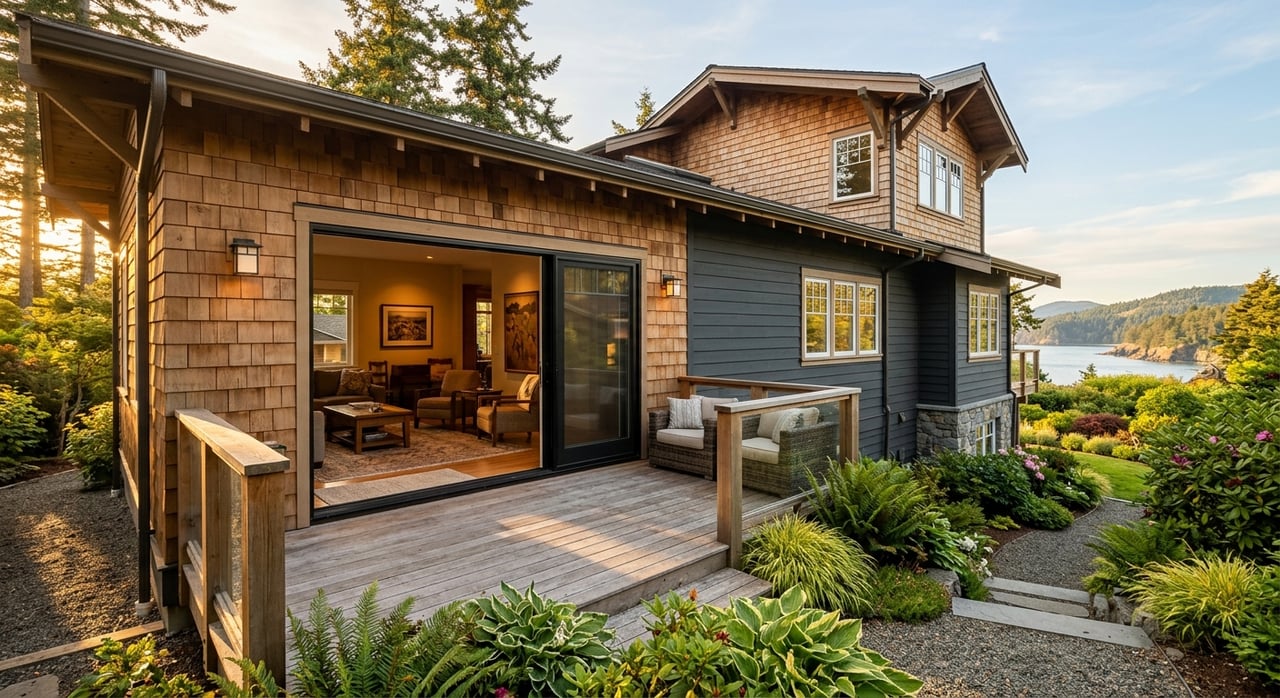
Summer buyers on Whidbey Island are not just touring a house. They are imagining morning light through the trees, coffee on the deck, an easy drive from the ferry, and a home that feels connected to the island around it. If you are planning to sell, that means your prep work should go beyond basic cleaning and focus on how your home lives in summer. Here’s how to get your Whidbey Island home ready so buyers can quickly see both the property and the lifestyle it offers. Let’s dive in.
Why summer prep matters on Whidbey
On Whidbey Island, summer showing season highlights features that buyers may overlook at other times of year. Official local tourism information points to beaches, trails, forests, wildlife, farm stands, art, and village-style downtowns in places like Langley and Coupeville. That means many buyers are evaluating how your home fits island living, not just the bedroom count or updated finishes.
Summer also brings a different set of buyer expectations indoors and out. NOAA climate data for Whidbey Island NAS shows mild summer conditions, with a 1% summer design dry-bulb temperature of 70°F and a median extreme high of 80°F. In practical terms, buyers are more likely to notice natural light, breezes, shade, and the connection between indoor and outdoor spaces than they are to focus on extreme heat protection.
Start with the arrival experience
For many off-island buyers, the showing experience begins before they reach your front door. Washington State Ferries serves Whidbey Island through routes including Mukilteo/Clinton and Port Townsend/Coupeville, so travel logistics can shape first impressions. After that trip, buyers tend to respond well to homes that feel easy to approach, easy to park at, and easy to understand right away.
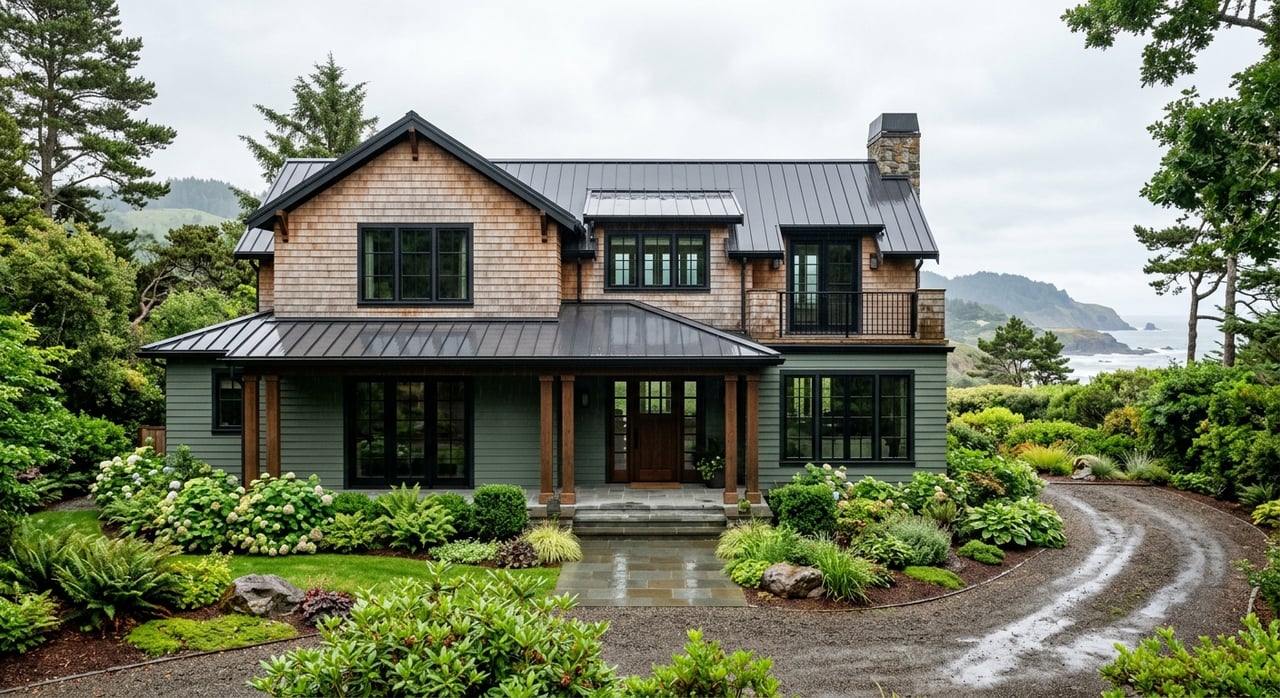
Take a close look at what a buyer sees in the first few minutes. Your driveway, parking area, walkway, front steps, and entry should feel orderly and intentional. A clear arrival sequence helps buyers settle in and focus on the home instead of distractions.
Improve first impressions outside
Small exterior updates can have a big impact during summer. Because Whidbey is closely associated with scenic views, outdoor recreation, and village charm, a neglected exterior can feel out of step with what buyers came to experience.
Focus on the basics first:
- Trim overgrown shrubs and branches
- Edge planting beds
- Refresh mulch where needed
- Clean walkways and driveways
- Wash siding and windows
- Tidy front steps and porch areas
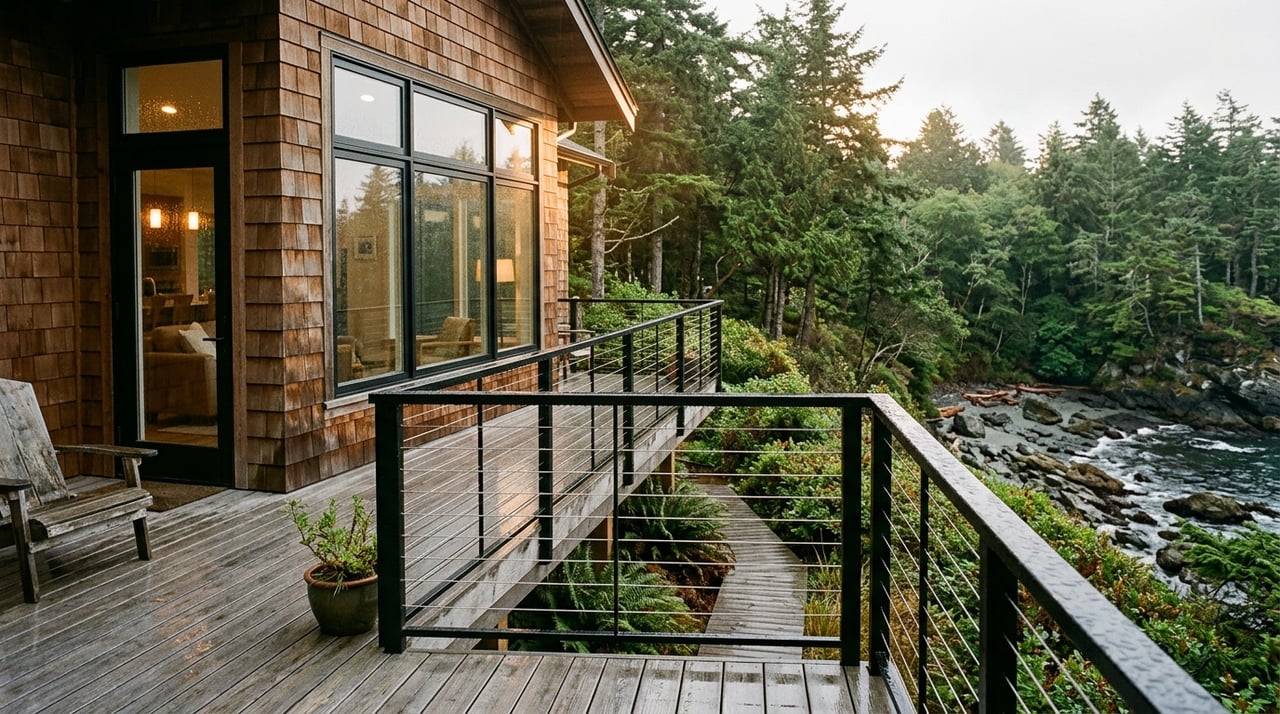
If you have a deck, patio, or porch, treat it like living space. Buyers should immediately understand that the area is usable, comfortable, and part of daily life in the home.
Make outdoor spaces feel livable
Whidbey buyers often place real value on outdoor rooms. Tourism materials highlight beaches, trails, water views, and walkable town centers, so buyers naturally expect a home here to offer some connection to the outdoors. Even a modest patio or small deck can support that story when it is presented well.
You do not need elaborate staging to make this work. Clean furniture, fresh cushions, a simple planter, and an uncluttered layout can be enough to show how the space functions. The goal is to make outdoor areas feel inviting without making the property look high-maintenance.
Outdoor features to highlight
Think about the spaces buyers are likely to remember after the showing. These often include:
- Decks with room for seating or dining
- Patios that feel private and usable
- View corridors toward trees, water, or open sky
- Sunny spots balanced with shade
- Easy transitions from kitchen or living areas to outside
If vegetation blocks windows, pathways, or decks, clear it back. Buyers should be able to see the property’s best features without visual obstacles.
Tidy up wooded and rural lots
Many Whidbey properties have wooded or semi-rural settings, which can be beautiful but also require thoughtful preparation. Washington DNR recommends wildfire-ready steps such as clearing needles and dry leaves from roofs, moving firewood at least 30 feet away from structures, and removing intrusive undergrowth. These tasks support safety, but they also improve how your property shows.
A lot that looks maintained feels easier to own. Clearing visual clutter around the house helps buyers focus on the architecture, outdoor spaces, and setting instead of deferred upkeep.
Exterior prep checklist for island properties
Use this list before photos, open houses, and private showings:
- Prune vegetation around windows, decks, and paths
- Clean gutters and downspouts
- Pressure wash or clean siding and steps as needed
- Touch up trim, railings, and front-door hardware
- Store hoses, tools, bins, and extra yard items out of sight
- Move firewood away from the home
- Clear dry leaves, needles, and excess undergrowth near structures
Brighten the interior for summer
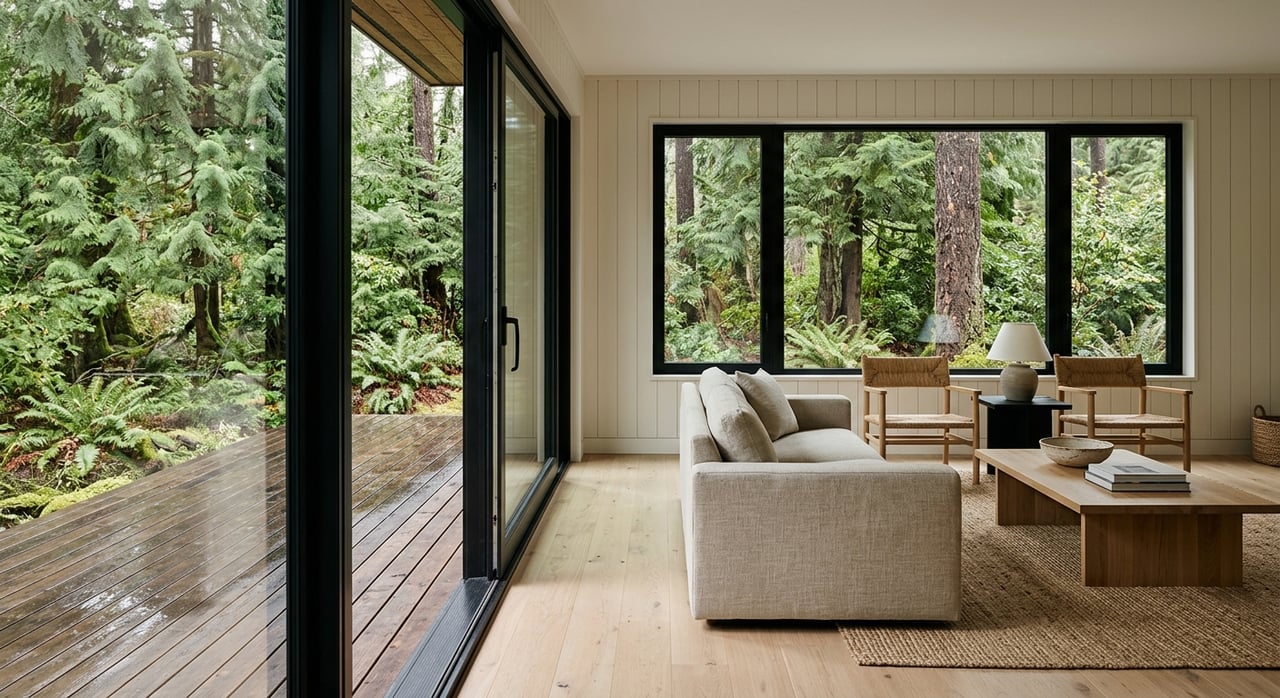
Inside the home, summer buyers often respond best to light, airflow, and visual calm. On Whidbey, where the summer climate is generally mild, the interior should feel airy and easy rather than heavy or overstyled. A bright room with clean sightlines can do more to win buyers over than seasonal décor.
Start by maximizing daylight. Open blinds, clean windows and screens, and replace dim bulbs. If a room feels crowded, remove extra furniture so buyers can move through it easily and understand the floor plan.
Create a calm, coastal feel
Your goal is not to theme the home. Instead, aim for a simple, relaxed presentation that suits the island setting. Lighter textiles, uncluttered surfaces, and a clear sense of function in each room can help the home feel summer-ready.
A few practical updates can make a noticeable difference:
- Pull back heavy curtains
- Deep-clean glass, mirrors, and reflective surfaces
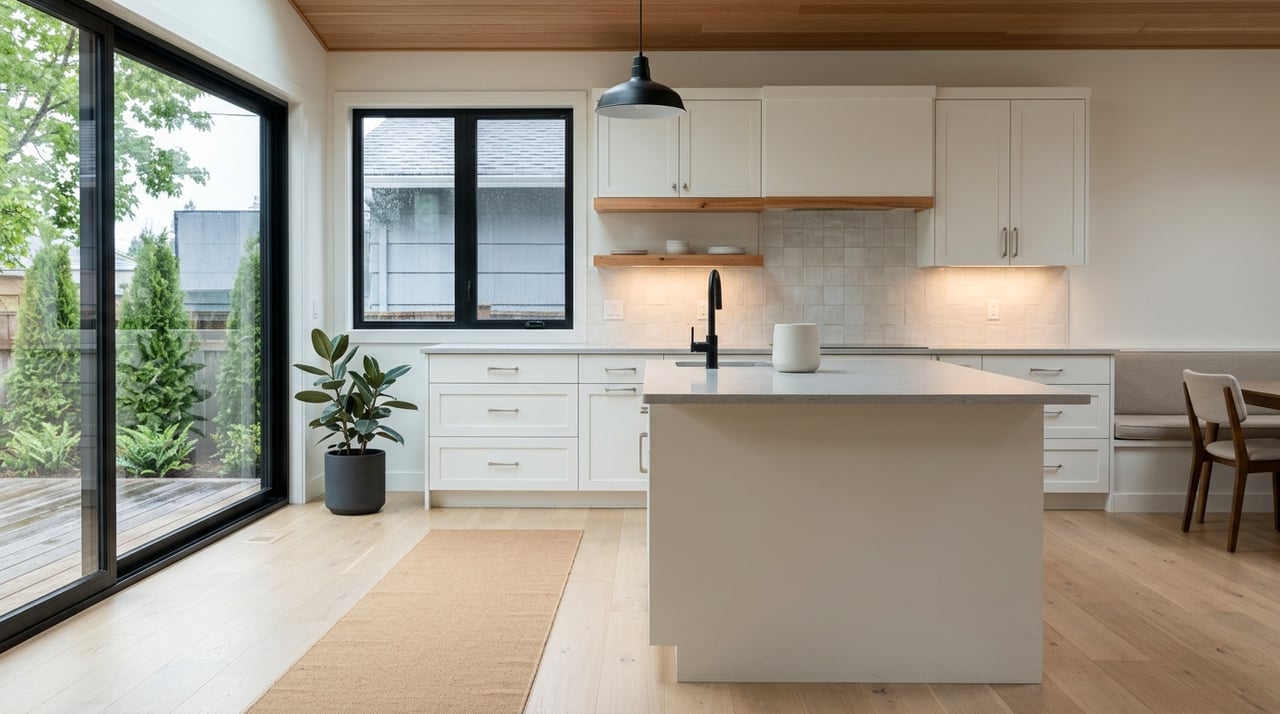
- Clear off kitchen and bathroom counters
- Simplify shelves and consoles
- Swap out heavy bedding or winter-weight throws
- Air out closed rooms before showings
If your home has water views, wooded outlooks, or sun-filled rooms, make those features easy to notice right away. Buyers should understand how the interior connects to the landscape.
Handle septic and well prep early
On Whidbey Island, presentation matters, but documentation matters too. Island County says about 72% of residents use septic systems, and a similar share rely on groundwater for drinking water. That makes septic and well preparation an important part of getting your home market-ready.
Island County also notes that septic systems must be inspected at property transfer. Conventional gravity systems are inspected every three years, conventional pressure systems annually, and alternative systems annually. The county’s Realtor Resources guidance says a seller should have the septic inspection done near the time an offer is made, not months earlier.
For homes with private wells, Washington DOH recommends annual testing for coliform bacteria and nitrate. The agency also notes that sellers in many counties may be asked to provide water-sampling results showing the water is safe to drink. If your property uses a private well, up-to-date records can help reduce delays and buyer questions.
Assemble a simple records package
Buyers of island properties often ask practical questions early. If you can answer them quickly, your listing may feel more organized and trustworthy.
Helpful items to gather include:
- Septic inspection history
- As-built septic records
- Septic service and maintenance records
- Recent well water test results
- Related permits or supporting property records
Island County maintains septic records through OnlineRME, which can help sellers locate existing documentation. Having these materials ready can smooth the due diligence process once interest picks up.
Use a simple summer timeline
The easiest way to prepare without feeling overwhelmed is to break the work into stages. This also helps you balance visual prep with the practical tasks that matter on island properties.
3 to 4 weeks before listing
Start with the items that take the most coordination. This is the best time to deal with maintenance, cleanup, and record gathering.
- Schedule septic and well-related tasks
- Tackle exterior cleanup and minor repairs
- Trim landscaping and improve visibility
- Address drainage or obvious outdoor maintenance issues
1 to 2 weeks before listing
Next, shift into presentation mode. Your focus here is making the home feel bright, open, and easy to enjoy.
- Deep-clean interior and exterior glass
- Stage the entry, deck, patio, or porch
- Remove excess furniture and clutter
- Refresh lighting and lighten heavy textiles
48 to 72 hours before showings
The final stretch is about polish. These are the details buyers notice right away.
- Mow, sweep, and tidy outdoor areas
- Open blinds and turn on appropriate lighting
- Air out the home
- Clear counters, mudrooms, and outdoor storage areas
- Double-check parking and entry access
Focus on lifestyle and readiness
The strongest Whidbey Island listings in summer usually do two things well. First, they show the home as clean, cared for, and easy to maintain. Second, they help buyers picture the rhythms of island life, from outdoor living to natural light to practical readiness for property systems.
When you prepare your home with those priorities in mind, you give buyers a clearer reason to connect with it. That can lead to stronger interest, better showing feedback, and a more confident path to market.
If you’re getting ready to sell and want thoughtful guidance on presentation, timing, and island-specific property prep, Amy Gulden can help you position your Whidbey Island home for summer buyers.
FAQs
What do summer buyers look for in a Whidbey Island home?
- Summer buyers often notice outdoor living spaces, natural light, airflow, shade, views, and how the home connects to the island lifestyle.
How should you prepare outdoor spaces for a Whidbey Island home sale?
- Clean and stage decks, patios, porches, walkways, and entry areas so they feel tidy, usable, and low-maintenance.
What septic steps matter when selling a home on Whidbey Island?
- Island County says septic systems must be inspected at property transfer, and sellers are advised to time that inspection near when an offer is made.
What well records help when selling a Whidbey Island home?
- Recent water test results, along with related well and property records, can help answer buyer questions and support due diligence.
When should you start preparing your Whidbey Island home for summer buyers?
- A good rule is to begin 3 to 4 weeks before listing so you have time for maintenance, records, cleaning, staging, and final touch-ups.