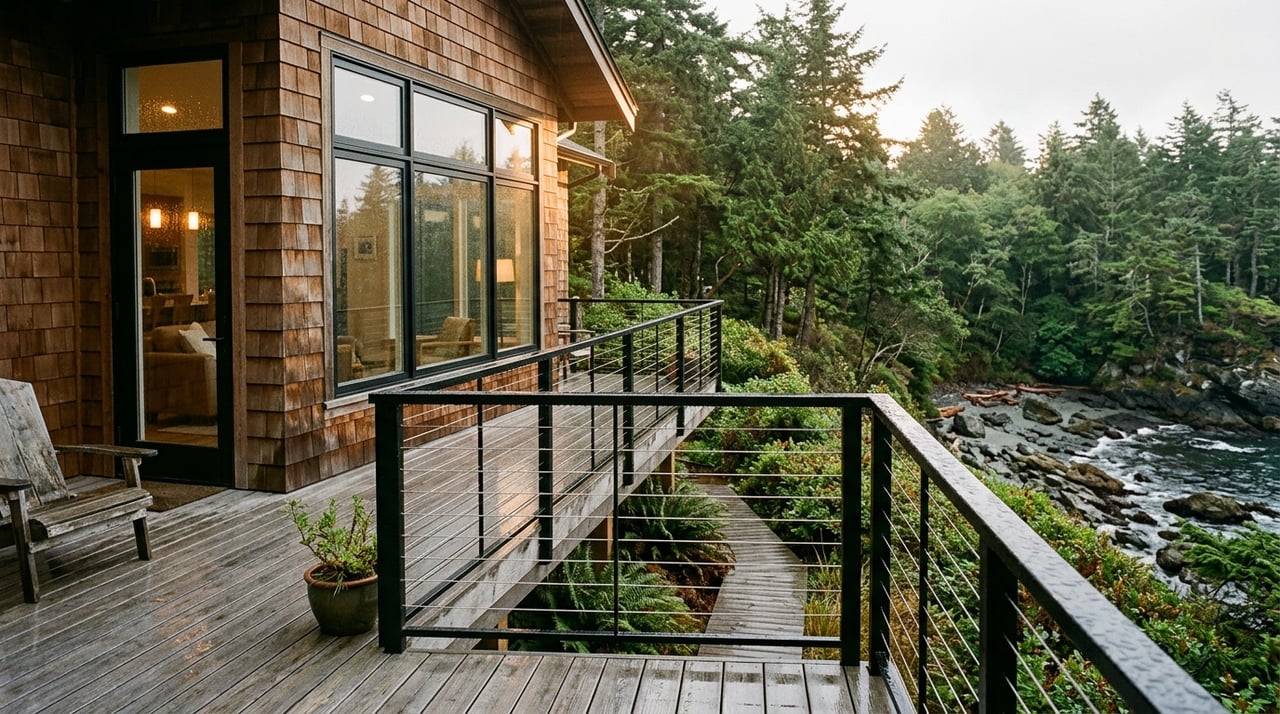
If you picture life on Whidbey Island, do you see your mornings starting at the shoreline or under a canopy of evergreens? That choice shapes more than the view from your window. It affects maintenance, access, regulations, and the rhythm of your everyday life. If you are deciding between a waterfront home and a wooded retreat, this guide will help you compare both lifestyles with more clarity. Let’s dive in.
Why This Choice Matters on Whidbey
Whidbey Island offers two distinct nature-first living experiences. You can live close to the water, where tides, weather, and beach access become part of daily life, or you can choose a forest-edge setting, where trails, shade, and privacy often take center stage.
That difference matters because these property types often come with different ownership responsibilities. Island County manages 54 park facilities, and shoreline properties are affected by the county’s Shoreline Master Program, which covers marine waters around Whidbey and shorelands extending 200 feet inland from the ordinary high-water mark. In other words, the setting you choose may shape not just your lifestyle, but also how you care for the property.
Daily logistics also play a role. Washington State Ferries serves the Mukilteo/Clinton and Port Townsend/Coupeville routes, and ferry schedules can influence commuting, appointments, and mainland errands. WSDOT also notes that low-tide warnings at Mukilteo/Clinton can sometimes restrict large vehicles, which can matter if you are moving, renovating, or coordinating deliveries.
Waterfront Living on Whidbey
Waterfront life on Whidbey is about direct contact with the island’s coastal setting. You are closer to beach walks, changing light, marine weather, and the simple pleasure of watching tides roll in and out.
Many of the island’s public spaces reflect that appeal. South Whidbey State Park combines saltwater shoreline with old-growth forest, while Joseph Whidbey State Park is known for expansive views and beach-oriented recreation. At Deception Pass, the setting expands to boating, moorage, crabbing, fishing, swimming, and tide-pool access.
What draws buyers to waterfront homes
For many buyers, waterfront ownership is about experience as much as architecture. The value is often tied to what you can see, hear, and do from the property itself.
Common waterfront lifestyle draws include:
- Water views and sunset outlooks
- Beach access and shoreline walks
- Opportunities for birdwatching, crabbing, and shellfish gathering
- A stronger connection to tides, weather, and seasonal change
- A classic Pacific Northwest coastal feel
What to know about shoreline rules
On Whidbey Island, the waterfront premium is not just about scenery. It also comes with a different regulatory framework. Island County says shoreline jurisdiction includes marine shorelines, lakes 20 acres or larger, and the 200-foot shoreland area.
The county also states that regulated activities can include new construction, exterior alterations, vegetation removal or management, docks and piers, mooring buoys, shoreline stabilization, land division, and major changes to impervious surfaces. That means even projects that may seem straightforward can require extra review.
Island County’s homeowner guidance adds another important point. Native vegetation removal is generally prohibited except when tied to allowed development, though limited tree thinning and pruning may be allowed for view enhancement and pedestrian beach access. The county also notes that some properties once thought to be outside shoreline jurisdiction are now included, so parcel-level verification matters.
The day-to-day reality of waterfront upkeep
Owning on the water often means paying attention to more than the house itself. Shoreline process awareness matters, including erosion, accretion, and sediment movement.
If you are considering a waterfront property, it is smart to look closely at existing shoreline features and how they were approved. Beach access, stabilizing work, or changes to docks and related improvements may involve county review. For resale, compliance status and already-permitted features can be just as important as square footage.
Wooded Retreat Living on Whidbey
A wooded retreat offers a different kind of island experience. Instead of open shoreline and sweeping water outlooks, you may find quiet trails, filtered light, privacy, and a stronger sense of separation from busier coastal edges.
This side of Whidbey is deeply tied to the island’s forests and protected landscapes. South Whidbey State Park includes trails through Douglas fir, western red cedar, and big leaf maple, while Fort Ebey State Park provides miles of hiking and mountain-biking trails through ice-age kettles. The Whidbey Camano Land Trust also focuses on protecting and creating access to forests, shorelines, farmlands, and other habitats in Island County.
What draws buyers to wooded properties
For some buyers, a wooded setting feels calmer and more private. It can create a retreat-like atmosphere that supports a quieter daily rhythm.
Common reasons buyers choose wooded or forest-edge homes include:
- A sense of privacy and separation
- Shade and tree cover
- Trail access and proximity to outdoor recreation
- Room for acreage or more spread-out homesites
- A peaceful setting for full-time or seasonal living
What to know about wells and septic
A wooded lifestyle can feel simple, but the systems behind the home still deserve close attention. Island County says about 72% of residents use septic systems, and a similar number rely on groundwater.
That means rural and wooded parcels often require well and septic diligence whether or not they are near the shoreline. Before you fall in love with the setting, it is important to understand system condition, maintenance history, and how the site supports everyday use.
Why wildfire readiness matters
Forested homes also come with a different kind of preparedness. The Washington State Department of Natural Resources recommends defensible space, fire-resistant landscaping, tree and branch clearing, and evacuation planning.
Whidbey Conservation District notes that drought-prone summers, dry bluff areas, and the Olympic rain shadow can increase wildfire risk in parts of the island. So while wooded properties may feel lower-stress in daily life, they still reward proactive upkeep and planning.
The Washington Office of the Insurance Commissioner adds that insurers may consider nearby fire protection, running water, and fire-resistant building materials when underwriting a rural home. That makes property condition and site management especially relevant when comparing wooded options.
Waterfront Versus Wooded: Key Tradeoffs
Both settings can be beautiful, and both can support a strong island lifestyle. The better fit usually comes down to what kind of nature you want to live with every day and what type of property management feels comfortable to you.
| Lifestyle Factor | Waterfront Home | Wooded Retreat |
|---|---|---|
| Daily setting | Shoreline, tides, views, marine weather | Trees, shade, privacy, forest feel |
| Recreation focus | Beach walks, water access, coastal views | Hiking, trail use, quieter outdoor living |
| Main diligence items | Shoreline jurisdiction, vegetation rules, docks, stabilization | Septic, well, driveway access, vegetation management |
| Ongoing preparedness | Erosion and shoreline process awareness | Wildfire readiness and rural infrastructure |
| Buyer appeal | Water view and access driven | Privacy, acreage, retreat-oriented living |
Resale on Whidbey Island
Whidbey remains a meaningful market where setting can strongly influence buyer interest. UW’s Washington Center for Real Estate Research reported a median house price of $550,281 in Island County in the first quarter of 2026.
That figure does not tell you which setting is better, but it does show that buyers are making significant decisions here. On Whidbey, site quality and lifestyle features can materially affect how a home is perceived.
Waterfront resale considerations
Waterfront homes often attract buyers looking for a very specific experience. They may place high value on the view, shoreline access, and the presence of existing permitted features.
Because of that, documentation and compliance can have a major effect on resale appeal. A home with clear answers around shoreline jurisdiction, access, and existing improvements may stand out more strongly in a specialized buyer pool.
Wooded resale considerations
Wooded properties often appeal to buyers seeking privacy, acreage, or a slower pace. But the lifestyle story tends to become more compelling when the practical questions are well answered.
Buyers typically want confidence around septic, groundwater, driveway access, vegetation management, and wildfire readiness. A retreat setting can be very attractive, but its value is easier to understand when the property’s systems and upkeep are clear.
A Smart Buyer Checklist
If you are comparing a waterfront property with a wooded retreat on Whidbey, start with a practical review before focusing only on aesthetics. The right checklist can help you understand not just how a property looks today, but how it may function over time.
Here are smart starting points to review:
- Shoreline jurisdiction status
- Existing dock, buoy, or stabilization rights
- Septic system condition and maintenance records
- Well or groundwater information
- Fire-safe defensible space
- Vegetation management needs
- Driveway and site access
- Ferry schedules and how they shape your commute or errands
- Island Transit options for local travel, which the agency says are fare free
Which Whidbey Lifestyle Fits You Best?
If you want daily contact with the shoreline, broad views, and water-centered recreation, waterfront living may feel like the clearest match. If you prefer privacy, trail access, shade, and a tucked-away atmosphere, a wooded retreat may offer the rhythm you are looking for.
Neither choice is universally better. On Whidbey Island, the best fit usually comes from matching your lifestyle goals with the property’s real-world conditions, rules, and upkeep needs.
That is where local, place-based guidance matters. If you want help comparing waterfront homes, acreage, or wooded retreats with a clear understanding of shoreline issues, septic, wells, and land use, connect with Amy Gulden to start your island story.
FAQs
What is the main difference between waterfront and wooded homes on Whidbey Island?
- Waterfront homes are more centered on shoreline access, views, tides, and marine conditions, while wooded homes are more centered on privacy, tree cover, trails, and rural infrastructure.
What should buyers check before purchasing a waterfront property on Whidbey Island?
- Buyers should review shoreline jurisdiction status, vegetation restrictions, existing dock or stabilization rights, and whether past or planned improvements may require county review.
What should buyers check before purchasing a wooded property on Whidbey Island?
- Buyers should look closely at septic condition, groundwater or well details, driveway access, vegetation management, and wildfire readiness.
How do ferry schedules affect daily life on Whidbey Island?
- Ferry schedules can shape commuting, appointments, deliveries, and errands to the mainland, and WSDOT notes that low-tide warnings on the Mukilteo/Clinton route can sometimes restrict large vehicles.
Are wooded homes on Whidbey Island easier to maintain than waterfront homes?
- Not always. Wooded homes may avoid some shoreline-related issues, but they often require careful attention to wells, septic systems, vegetation management, and wildfire preparedness.
How does location affect resale value on Whidbey Island?
- On Whidbey, buyer interest can be strongly influenced by site quality, lifestyle features, and how well a property’s practical details, such as shoreline compliance or rural systems, are documented and maintained.