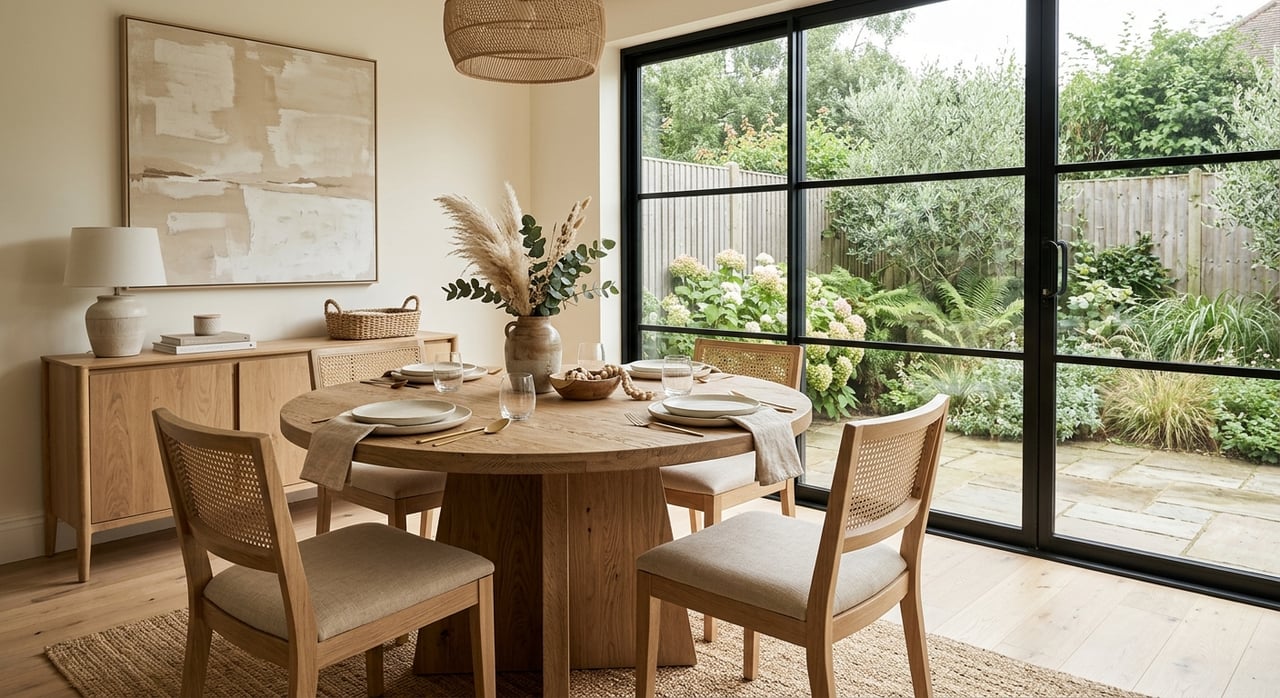
If you are preparing to sell a luxury Whidbey Island home, good photos and a yard sign are not enough. Buyers in this market move quickly, compare homes closely, and expect a polished experience from day one. When you position your home with the right story, pricing, and documentation, you give yourself a better chance to stand out and capture strong interest early. Let’s dive in.
Know the Whidbey buyer story
Whidbey Island is not one simple market. Buyers looking in Langley, Freeland, Coupeville, and waterfront pockets often want very different things, even when their budgets overlap. That means your home should be presented for the specific lifestyle and setting it offers, not just listed as another island property.
In South Whidbey, Langley is often associated with village charm and water views, while Freeland is known as a commercial center with convenience and access. In central Whidbey and Coupeville, historic context and rural character can shape how buyers view a property. A waterfront home, a view cottage, and a reserve-adjacent property each need a distinct narrative.
Whidbey also draws a regional buyer pool. Washington State Ferries serves both the Mukilteo to Clinton and Port Townsend to Coupeville routes, and the Mukilteo to Clinton route carried 3.7 million riders in 2025. That matters because your buyer may be an island local, a Puget Sound move-up buyer, a second-home shopper, or someone relocating from outside the region.
Prepare before you list
In a fast-moving market, the first week matters. Over the three months ending May 2026, Whidbey Island homes sold in about 15 days, and Langley homes sold in about 12 days. With that kind of pace, you want your home fully ready before it goes live.
A rushed launch can leave money on the table. If buyers see missing records, weak presentation, or pricing that feels uncertain, they may move on fast. A clean, complete launch helps your home feel more valuable and easier to say yes to.
Build a pre-listing checklist
Before your listing goes live, gather the items that premium buyers are likely to ask about right away:
- Septic records
- Well information, if applicable
- Maintenance and upgrade history
- Shoreline or land-use documents, if applicable
- Historic review information, if applicable
- Professional staging plan
- Photography, video, and drone scheduling
- A pricing strategy based on the right submarket and comp set
This is especially important on Whidbey, where utility systems and site conditions often matter as much as square footage or finishes.
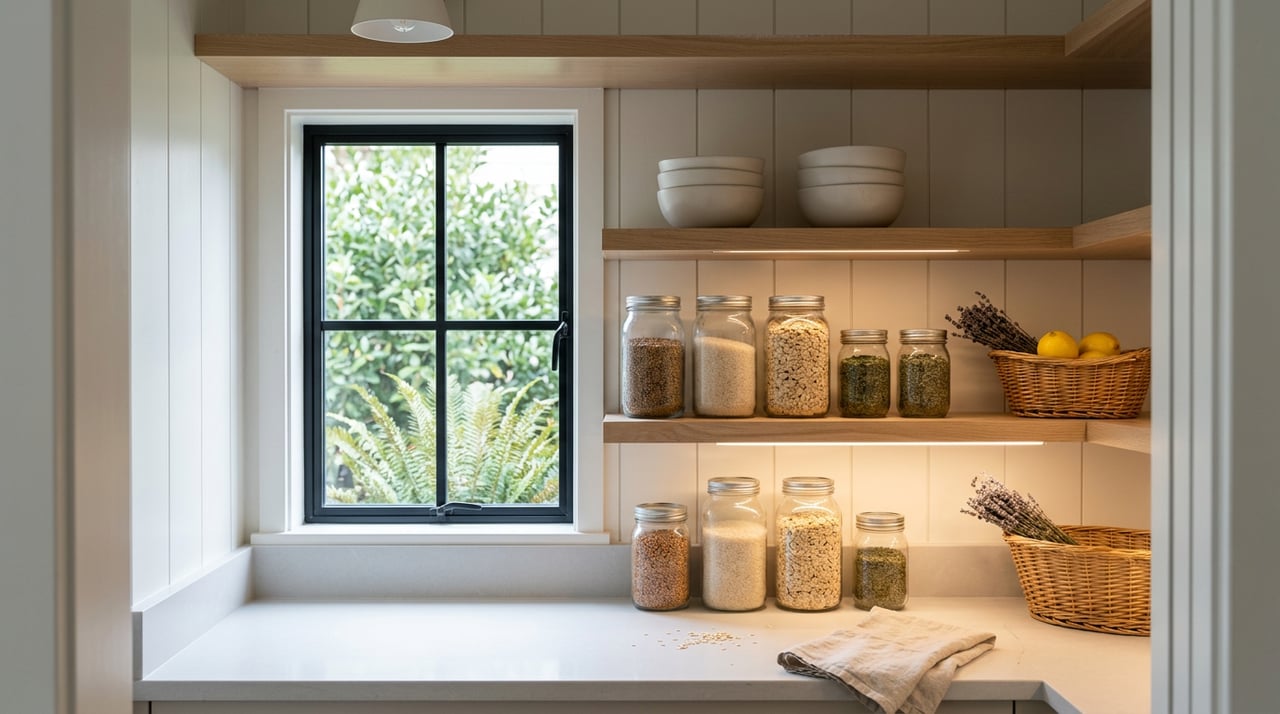
Make staging feel intentional
Presentation matters because buyers shop with their eyes first. In the 2025 Profile of Home Staging, 83% of buyers’ agents said staging made it easier for buyers to visualize a property as a future home. The same report found that decluttering, whole-home cleaning, and curb appeal were among the most common seller improvements recommended before listing.
For a luxury Whidbey home, staging should not feel generic. It should support the architecture, the light, and the setting. A waterfront property may need rooms arranged to emphasize the horizon, while a village home may benefit from a more layered, welcoming feel that highlights walkability and character.
Focus on these staging priorities
- Remove visual clutter and personal overflow
- Deep clean every room and surface
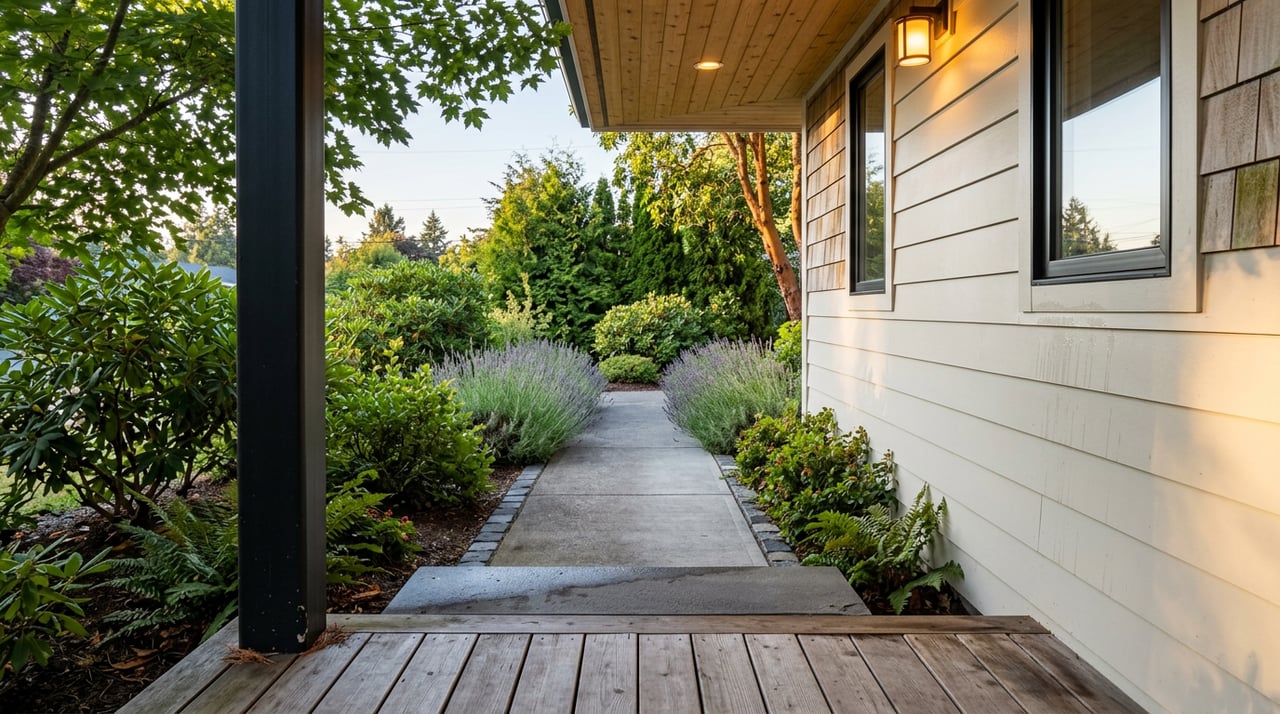
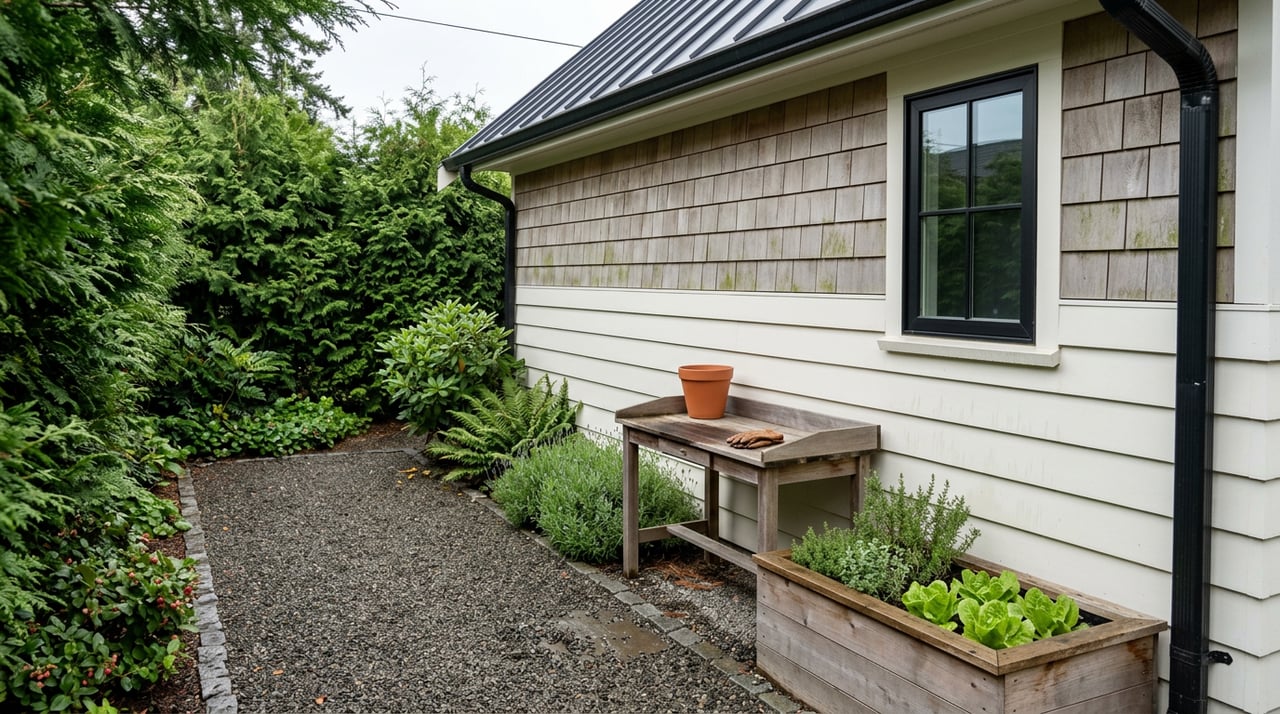
- Refresh landscaping and entry curb appeal
- Simplify furniture layouts to improve flow
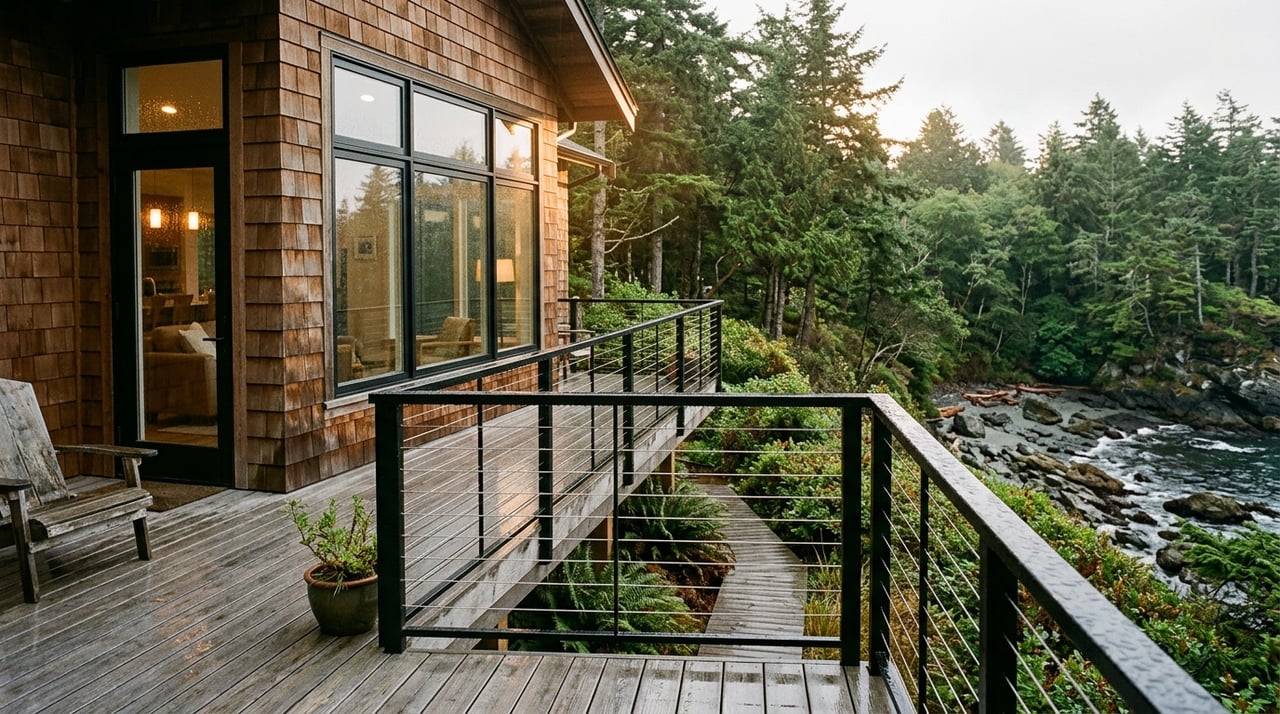
- Highlight windows, decks, patios, and view lines
- Use neutral, coastal-leaning styling that feels believable
Buyers are strongly influenced by media and online presentation. NAR reported that 48% of respondents said buyers expect homes to look staged like TV shows, and 58% said buyers were disappointed when homes did not match that expectation. The goal is not to make your house look artificial. The goal is to make it feel edited, calm, and memorable.
Lead with visuals that sell
Online visibility is now part of the product you are selling. According to NAR’s 2025 consumer guidance, 81% of buyers rated listing photos as the most useful feature in their online search, and 52% found the home they purchased online. That means your digital first impression carries real weight.
For Whidbey luxury and luxury-adjacent homes, professional visuals are not optional. Strong photography, video, and drone footage can help buyers understand not just the house, but also the setting, approach, shoreline context, and outdoor living experience.
What your visual package should show
- The strongest exterior or arrival shot first
- Water, territorial, or sunset views where applicable
- How the home sits on the land
- Key indoor-outdoor connections
- Light-filled living spaces
- Special features like studios, guest spaces, docks, or acreage
- Neighborhood or village context when it adds value
NAR’s staging research also found that 73% of buyers’ agents said photos, 48% said videos, and 43% said virtual tours were much more or more important to clients. On an island where many buyers may begin their search from off-island, that visual package helps bridge distance and build confidence.
Price for your exact market slice
One of the biggest mistakes sellers make is leaning too heavily on island-wide averages. Whidbey is segmented, and the price spread between submarkets is wide. As of May 2026, median sale prices were about $515,004 in Oak Harbor, $539,677 in Coupeville, $613,503 across Whidbey Island, $657,109 in Island County, and $717,351 in Langley.
That spread tells you something important. A view home in Langley, a remodeled coastal cottage near the shoreline, and a historic-area property near Coupeville are not competing with the same buyer pool in the same way. Pricing should reflect the narrowest relevant comp set, along with the home’s condition, setting, utility profile, and what buyers can realistically do with the property after closing.
Why first-week pricing matters
Island County’s sale-to-list ratio was 99.2% in May 2026, and the broader market has been described as very competitive. In a market like that, the first week can shape the entire outcome. If your home launches with strong presentation and a precise price, you are more likely to create urgency instead of confusion.
Trial pricing is riskier when buyers are moving fast. A home that feels overpriced or underprepared may lose momentum before you have a chance to adjust. On Whidbey, clean execution up front often matters more than a slow process of testing the market.
Address Whidbey property details early
On Whidbey Island, buyers often look beyond finishes and views. They also want to understand how the property works. For many premium listings, the utility and land-use story is part of the value story.
Island County Public Health says roughly 72% of residents use septic systems and a similar share rely on groundwater for drinking water. That means septic and well information should be treated as part of your marketing file, not just a disclosure item saved for later.
Septic and well records build confidence
If your home uses septic or a private well, buyers may want records early in the process. Having those documents organized can reduce friction and signal that the property has been responsibly maintained. For higher-end homes, that preparedness can support stronger perceived value.
Island County also notes that well location matters near shorelines, and its seawater intrusion program requires certain public water system sources in elevated-risk areas to test chloride and conductivity twice each year. If your property is in an area where water questions may come up, clear documentation can help buyers evaluate the home with fewer unknowns.
Clarify shoreline and land-use limits
For waterfront and near-water homes, buyers often want to know not just what exists today, but what may be possible in the future. Island County’s Shoreline Master Program covers all marine waters around Whidbey and shorelands extending 200 feet inland from the ordinary high-water mark. Depending on the property and project, additional review may be needed, including archaeological, geotechnical, wetland, biological, geocoastal, or SEPA review.
This does not mean buyers will walk away. It means they want clarity. If your launch package explains known shoreline or critical-area considerations up front, you can reduce uncertainty and help buyers make more confident decisions.
Historic context matters in Coupeville areas
In and around Ebey’s Landing National Historical Reserve, historic review may also shape buyer expectations. The reserve preserves the historic town of Coupeville and the surrounding rural landscape, and some projects may require a Certificate of Appropriateness. If your home is in or near these areas, your listing story should clearly explain what is original, what has been updated, and what future changes may require review.
That kind of accuracy builds trust. It also helps position the home honestly and intelligently for the buyer who values both character and a realistic understanding of stewardship.
Tell a story buyers remember
Luxury positioning is not just about finishes or price point. It is about helping buyers understand why this property matters in this place. On Whidbey, that story often includes views, architecture, privacy, access, village proximity, shoreline setting, or the way a home connects to the landscape.
The strongest listings feel both polished and grounded. They show buyers the beauty of the home, but they also answer practical questions before those questions become obstacles. That combination is especially powerful on an island where lifestyle appeal and technical detail often go hand in hand.
When your home is staged with purpose, documented well, priced precisely, and marketed with strong visuals, you create a launch that feels complete. In a market where homes move fast and buyers compare carefully, that level of preparation can make a real difference.
If you are thinking about selling a Whidbey Island home and want a strategy that blends design-forward presentation with practical island expertise, connect with Amy Gulden.
FAQs
How fast are homes selling on Whidbey Island?
- Over the three months ending May 2026, homes on Whidbey Island sold in about 15 days, and homes in Langley sold in about 12 days.
Why does luxury home staging matter on Whidbey Island?
- NAR’s 2025 staging report found that 83% of buyers’ agents said staging made it easier for buyers to visualize a property as a future home.
What property records matter for a Whidbey Island listing?
- Septic records, well information, maintenance history, and any applicable shoreline, land-use, or historic review documents can help buyers evaluate the property with more confidence.
How should you price a luxury Whidbey Island home?
- Pricing should be based on the narrowest relevant comp set for your submarket, property type, condition, setting, and constraints rather than on island-wide median prices alone.
What should waterfront Whidbey Island sellers explain upfront?
- Waterfront sellers should clarify known shoreline rules, critical-area issues, utility details, and any limits that may affect future improvements or use of the property.