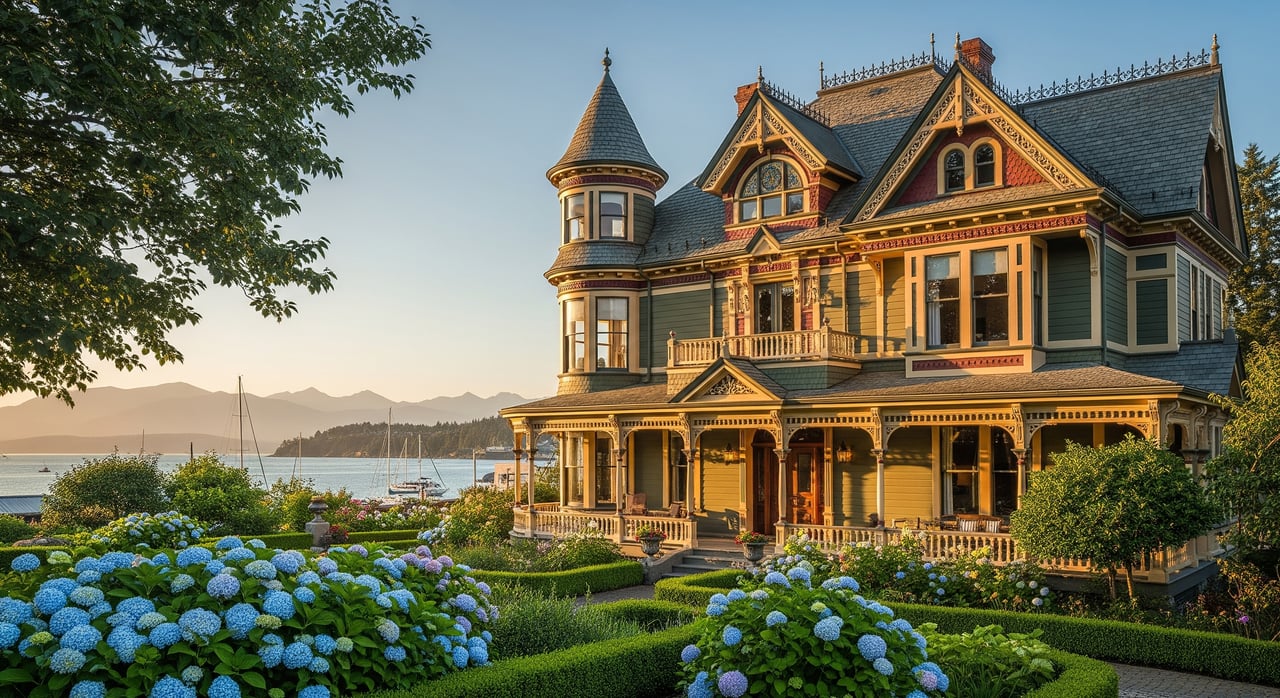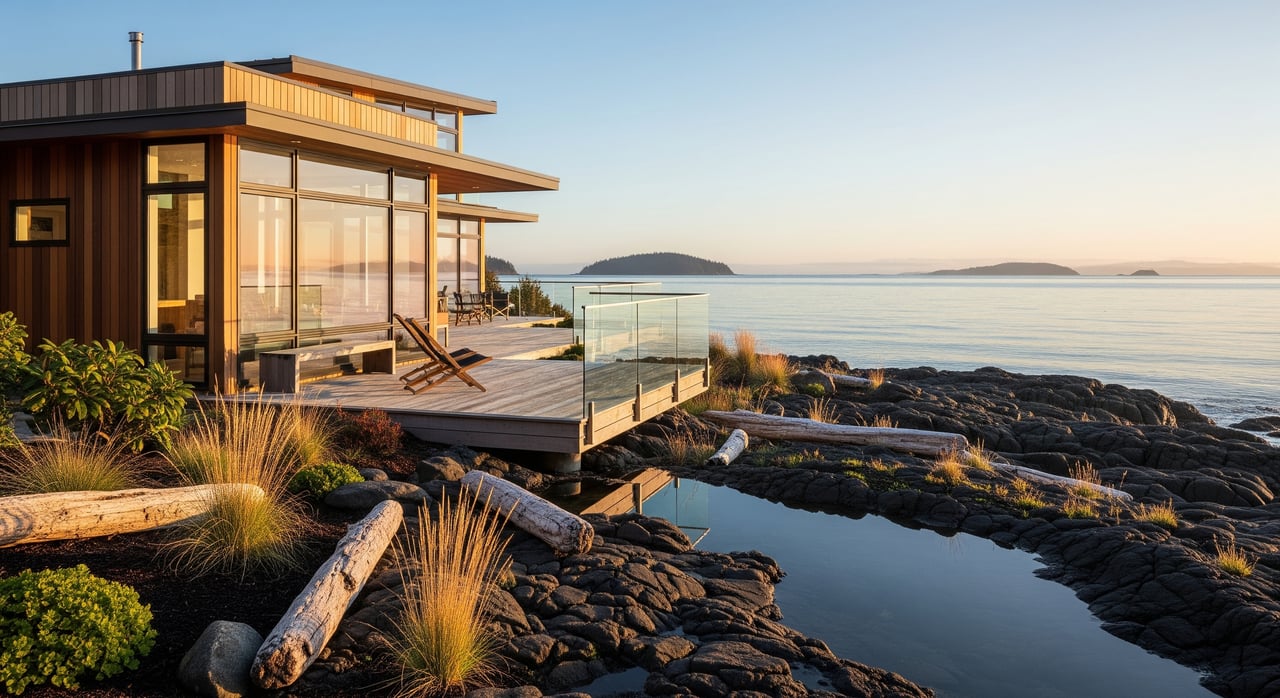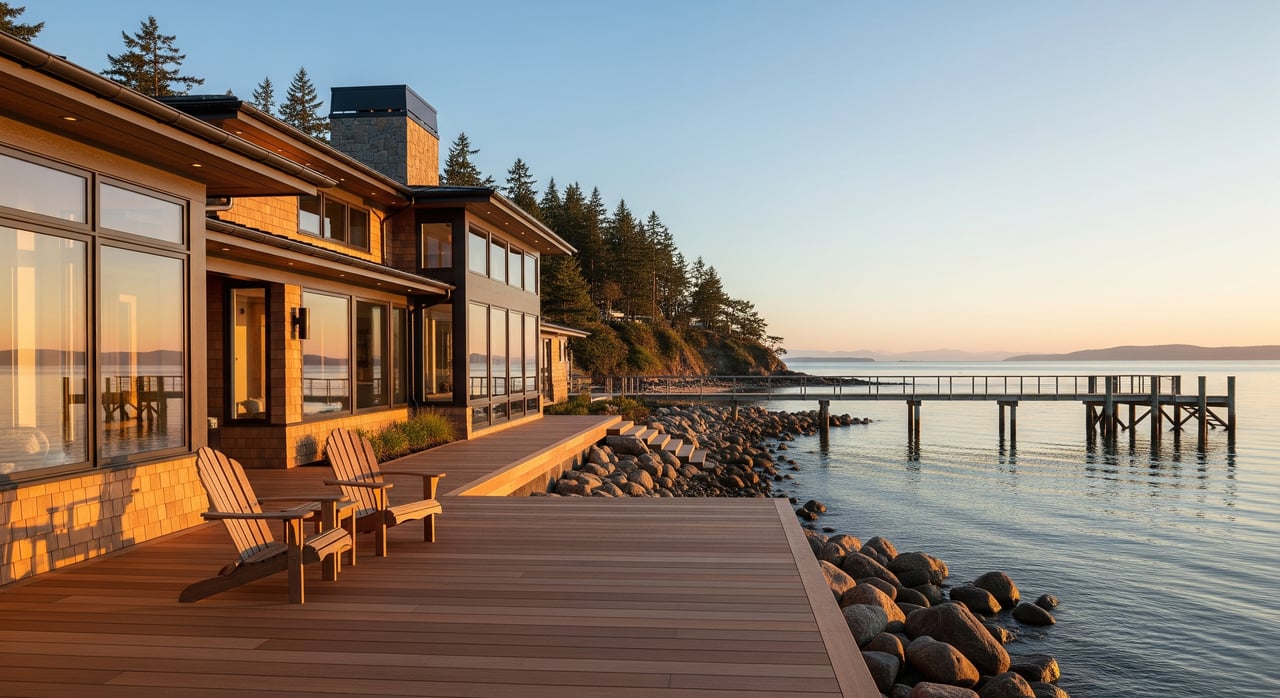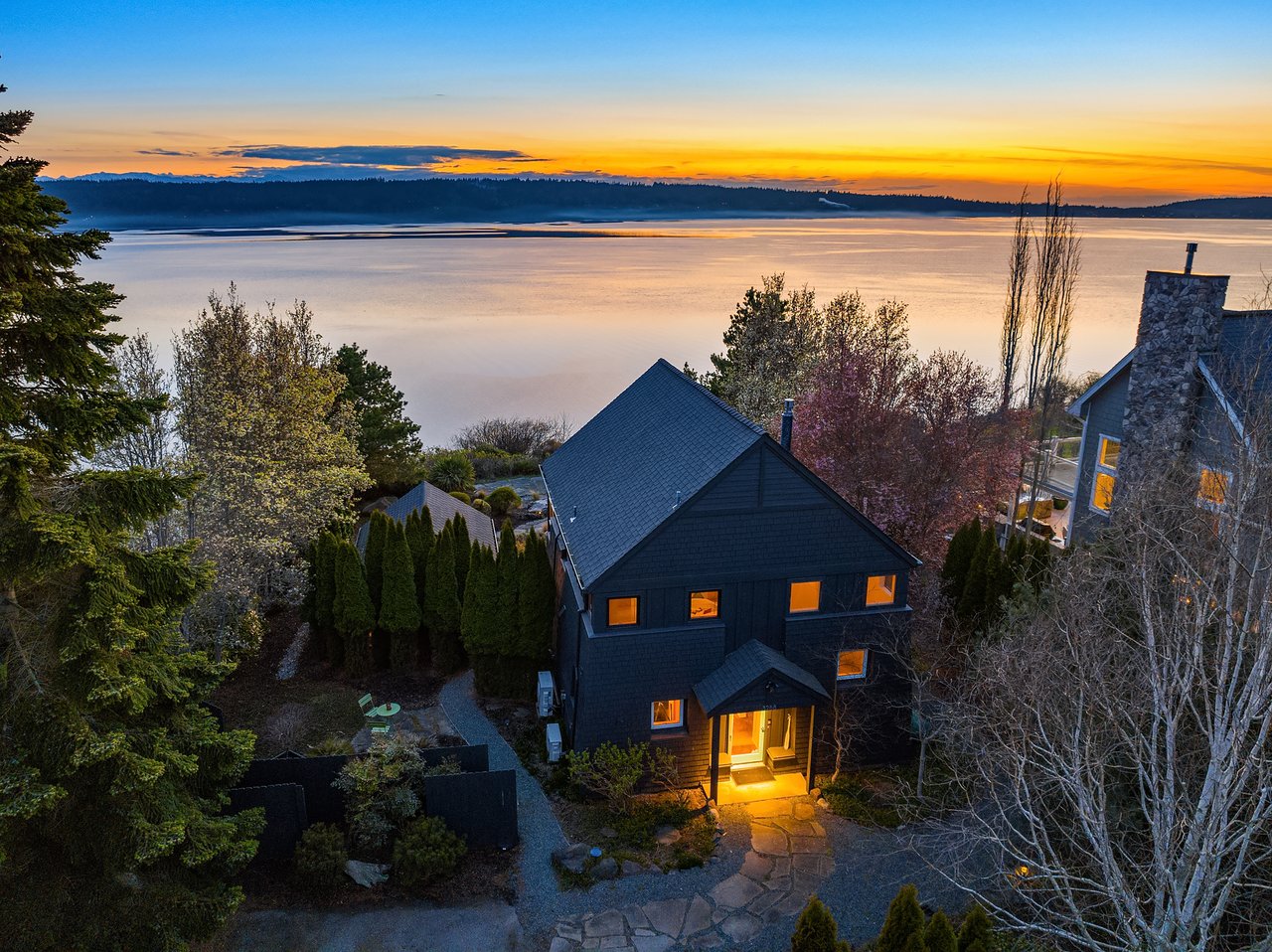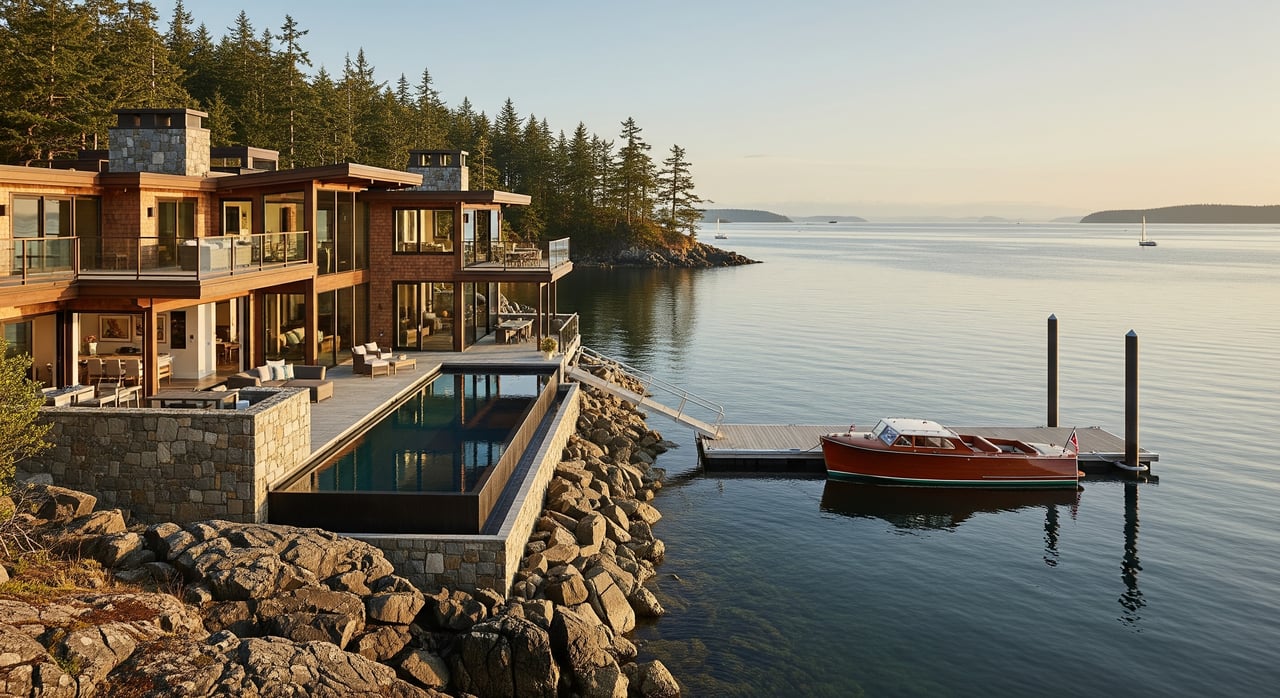
Picture this: you find the perfect Orcas Island waterfront home, with a private cove and a dock that feels like your own little harbor. Then the lender says your loan is “jumbo,” and the path to closing gets more complex. If you are buying on Orcas, that is common and manageable when you know the rules of the road.
You want clarity, predictable timelines, and a plan that respects the realities of island property. In this guide, you will learn how jumbo loans work for Orcas Island waterfront homes, what lenders look for, and how to avoid surprises with appraisals, septic and well, flood, docks, and permits.
By the end, you will have a practical checklist and timeline so you can move from offer to keys with confidence. Let’s dive in.
Why Orcas jumbos are different
Waterfront on Orcas Island is limited and unique. Many properties have private shoreline, view premiums, docks, or shared tidelands, which makes comparable sales scarce and valuations more subjective. Lenders often require more diligence and sometimes more than one appraisal.
Island access and seasonality matter. Ferry logistics influence how you use the property and can affect rental potential. You can review routes and updates through the Washington State Ferries site for context on schedules and service changes. Check the latest ferry information through the Washington State Ferries travel page.
Rural infrastructure is common. Private wells, septic systems, and private roads are usual features. These items require records, inspections, and clear agreements to satisfy underwriting. Environmental overlays and shoreline rules also shape what you can change over time, which affects value.
Jumbo loan basics
A jumbo loan is any mortgage that exceeds the conforming loan limit for the county where the property is located. Conforming limits update each year and vary by county. For San Juan County, confirm the current threshold using the FHFA county loan limit lookup.
Jumbo products vary by lender:
- Conventional jumbo. Often stricter underwriting and documentation.
- Portfolio jumbo. Held on a bank’s balance sheet and usually more flexible with unique properties such as remote waterfront.
- Non-QM or private lending. Alternative documentation for nontraditional income or atypical properties.
- Government programs. FHA and USDA limits usually sit below true jumbo levels. VA can work at higher balances depending on entitlement and lender overlays. For plain-language background on what a jumbo mortgage is, see the CFPB’s jumbo mortgage overview.
Rates for jumbos often track close to conforming rates but may include a premium. Pricing and maximum loan-to-value differ across lenders, with portfolio institutions in Washington often more open to island waterfronts than national pipeline lenders.
Common lender requirements
Credit, income, and DTI
Most jumbo lenders prefer higher credit scores, commonly 700 to 740 or above. Expect full income documentation, such as tax returns, W-2s or 1099s, and bank statements. Many lenders target a debt-to-income ratio at or below 43 percent, though strong reserves can allow exceptions.
Down payment, LTV, and reserves
Down payments are typically larger. For primary residences, 20 to 30 percent down is common, with higher requirements for second homes or investment properties. You will likely need post-closing reserves, often 6 to 12 months or more for second homes or rentals. Some lenders manage higher LTVs with lender-placed mortgage insurance, a piggyback loan, or a rate adjustment.
Rates and timeline
Jumbo underwriting involves more documentation and property diligence. A 30 to 45 day closing window is common, and it can take longer if the lender needs extra inspections, title review on access or dock rights, or a second appraisal.
Appraisal and property risks
Valuation challenges on waterfront
With few recent comparable sales, appraisals on Orcas waterfronts can be complex. Lenders may require a local appraiser who knows San Juan County waterfront, a second appraisal, or a review appraisal. Adjustments for view corridors, water frontage, dock condition, and shoreline protection are common.
Tip: If you are a buyer, ask early how the lender handles waterfront appraisals. If you are a seller, consider a pre-listing opinion of value to set expectations.
Flood, erosion, and insurance
Every lender orders a flood determination. If the home is in a Special Flood Hazard Area, flood insurance will be required. Even outside mapped zones, coastal exposure can raise insurance costs. You can review maps and general guidance through the FEMA Flood Map Service Center.
Septic, well, and water quality
Many Orcas waterfront homes rely on private septic and wells. Lenders often require a septic inspection or certification and well reports before closing. Washington State agencies provide helpful context on drinking-water wells and on-site sewage systems.
Shoreline rules and docks
San Juan County implements Washington’s Shoreline Management Act through its Shoreline Master Program. Shoreline setbacks, critical-area buffers, and permits for docks or shoreline modifications can affect what you can build or repair. For local process and contacts, start at the San Juan County website, and for state guidance review Washington Department of Ecology’s shoreline resources. Dock or pier work may also require state fish and wildlife coordination and federal approvals. Learn more through the Washington Department of Fish & Wildlife and the U.S. Army Corps of Engineers Regulatory Program.
Steps before you write an offer
- Get fully pre-approved by a jumbo-capable lender. Confirm acceptance of island waterfront homes and the intended use, such as primary, second home, or rental.
- Assemble documents. Prepare two years of tax returns, recent pay stubs, asset statements showing down payment and reserves, and letters of explanation for large deposits.
- Line up your local team. Work with an agent experienced in San Juan County waterfront, a lender with recent jumbo closings on islands, and a local appraiser familiar with Orcas waterfront.
- Order key inspections early. Schedule septic inspection, well testing, a whole-house inspection, and specialized evaluations for docks, bulkheads, or shoreline structures. Consider a survey if boundaries or access are unclear.
- Confirm flood and insurance. Ask your lender for a flood determination and obtain a flood-insurance estimate early to avoid late surprises.
Seller prep for financed buyers
- Provide records upfront. Share septic and well reports, shoreline or dock permits, maintenance logs for seawalls or bulkheads, and any recent surveys or geotechnical studies.
- Clarify access and rights. Ensure private road agreements, easements, and shared dock documents are complete and recorded.
- Set pricing expectations. Appraisals can lag fast-rising segments or adjust differently for unique shoreline features. Position your pricing with an eye on appraisal support and the common presence of cash buyers.
Typical timeline to closing
- Pre-approval: 1 to 7 days depending on documents.
- Appraisal order and inspection: 7 to 21 days, subject to appraiser availability.
- Underwriting and conditions: 14 to 30+ days, with extra time if permits, septic repairs, or shoreline items need review.
- Closing: typically 30 to 45 days from mutual acceptance for jumbo loans.
Buying or selling Orcas waterfront with jumbo financing takes a clear plan and an island-savvy team. If you want tailored guidance on septic, shoreline, and the right lender fit for your goals, connect with Amy Gulden to start a focused plan for your Orcas purchase or sale.
FAQs
What is a jumbo loan limit for San Juan County?
- The jumbo threshold changes yearly and is based on the county’s conforming loan limit; verify the current number using the FHFA county loan limit lookup.
Do jumbo loans have higher rates than conforming loans?
- They can include a pricing premium, but jumbo rates often track close to conforming; your credit, loan-to-value, and product type drive the final rate.
Will my Orcas waterfront lender require flood insurance?
- If the property is in a FEMA Special Flood Hazard Area, flood insurance is required; review mapping through the FEMA Flood Map Service Center.
Can I use a jumbo loan for a second home on Orcas Island?
- Yes, but expect higher down payment and reserve requirements than for a primary residence, and some lenders have restrictions related to rental use.
What inspections should I order for an Orcas waterfront jumbo purchase?
- At minimum: septic inspection or certification, well testing, whole-house inspection, and specialty reviews for docks or shoreline structures; consider a survey if access or boundaries need clarity.
How long does a jumbo waterfront closing usually take on Orcas?
- Plan for 30 to 45 days; appraiser availability, shoreline permits, septic repairs, or title items like easements can extend the timeline.