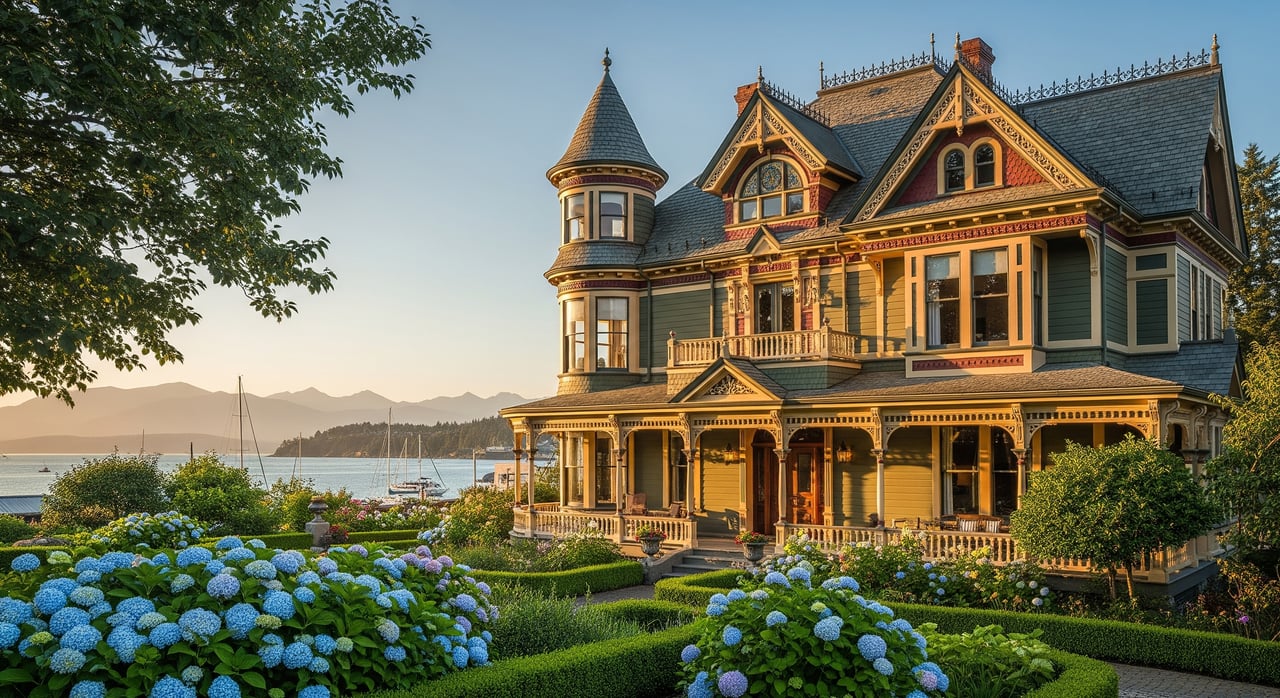
Victorian charm sells stories, not square footage. In Port Townsend, that story can lift your price or hold it back. If you are getting ready to sell a historic home, you want a strategy that respects the architecture and the realities of a small coastal market. In this guide, you will learn how to set a confident list price, what buyers value most, and which steps protect your bottom line. Let’s dive in.
Why pricing a Port Townsend Victorian is different
Port Townsend is a historic seaport with a nationally recognized historic district and a strong arts and maritime identity. That heritage draws buyers who value authenticity and craftsmanship, but it also means there are fewer true comparables. In a small market, inventory is limited and seasonal, so demand often strengthens in spring and summer.
You will see a mix of buyers, including retirees, remote professionals, and second-home seekers. Some will pay a premium for original details and documented restorations. Others prefer updated systems and lower maintenance. Your pricing should meet the segment most likely to buy your home.
What really drives value here
Historic designation and documentation
If your home sits within the Port Townsend Historic District, it often increases appeal. Buyers who want a period home appreciate properties with preserved millwork, stained glass, and original trim. At the same time, local preservation rules can shape exterior projects. Point serious prospects to the City of Port Townsend Planning Department and Historic Preservation resources so they understand review requirements.
Document every restoration or upgrade. Permits, invoices, contractor notes, and any historic certifications help appraisers and buyers support a premium.
Condition and systems
Older homes can hide surprises. Structural integrity, roofing, siding, plumbing, heating, electrical, insulation, and windows all matter. Modernized systems reduce risk and usually support higher pricing. Energy efficiency, moisture control, and seismic upgrades are increasingly important for both buyers and insurers.
If your home likely contains lead-based paint or asbestos, be ready to disclose per federal rules for pre-1978 homes. Clear documentation of testing, remediation, and warranties gives buyers confidence.
Location, views, and lot
Proximity to downtown shops, galleries, and maritime facilities often commands a premium. Water, harbor, or mountain views, as well as topography and accessibility, can significantly affect price. Lot size, landscaping, off-street parking, and privacy all factor into value in a compact historic town.
If you are near the shoreline or in a flood zone, insurance and permitting can be more complex. You or your agent can check the FEMA Flood Map Service Center and discuss how mapping and elevation may affect costs and buyer perceptions.
Marketability: turnkey vs restoration opportunity
Be clear about where your home sits on the spectrum. A turnkey Victorian with documented updates and period-friendly finishes is a different product than a restoration opportunity. Label it accurately to draw the right buyers and avoid mispricing.
Build a defensible list price
Pull the right comps
Start with recent solds and pendings in Port Townsend that match age, style, condition, and neighborhood as closely as possible. In a market with few perfect comps, you may need to expand the search and apply careful adjustments for features like view, parking, and unique historic elements. Use the Northwest MLS for active, pending, and sold data, and confirm details with the Jefferson County Assessor and Auditor records.
Track median sale price, price per square foot, days on market, and sale-to-list ratios. Price per square foot can vary widely for distinctive homes, so use it as a guide, not a rule.
Choose your pricing approach
- Market-value pricing: List at a realistic number that reflects the CMA. This attracts qualified buyers and can shorten time on market.
- Price-banding: List slightly below similar homes to generate interest in low-inventory seasons. This can create competition but risks leaving money on the table if buyer demand is uneven.
- Value-add pricing: Lean into higher pricing when you have documented restorations, new systems, or rare features like broad water views or extraordinary millwork.
- As-is pricing: If you are not completing repairs, price for known needs and disclose clearly. Transparency helps avoid re-trades later.
Pre-listing work that raises your number
- Get a pre-listing inspection. Address major defects or provide estimates and timelines. This reduces buyer uncertainty and supports your price.
- Compile permits and documentation. Include mechanical upgrades, restoration records, and warranties. The City of Port Townsend Planning Department can help verify permit history and any historic review.
- Prepare specialist reports where relevant. Pest, rot, septic, and well documentation are useful if your property is not on municipal utilities.
- Elevate presentation. Professional photography, close-ups of period details, floor plans, and virtual tours are powerful, especially for remote buyers.
- Stage for story and function. Highlight original features and show livability with a clean, light touch.
Plan for inspections, permitting, and risk
Buyers will look closely at foundations, moisture control, and drainage. Crawlspaces, basements, and perimeter drainage deserve attention. Clear, recent documentation helps justify your price and avoid surprises.
If your home was built before 1978, expect questions about lead paint and possible asbestos in older materials. Provide any testing or remediation receipts. For shoreline or critical area properties, plan for additional permitting layers and direct interested parties to city planning and county codes.
Insurance can be higher for older coastal homes. Records of roof replacements, electrical upgrades, and seismic bracing can improve insurability and reassure buyers. For flood-related questions, direct buyers to the FEMA Flood Map Service Center for official mapping.
Negotiate with the Victorian playbook
Expect requests for concessions related to aging systems, lead-based paint considerations, or moisture and rot repairs. Decide upfront where you are willing to offer credits versus completing work before listing. Credits can simplify timelines, while completed repairs can widen your buyer pool and support a higher price.
Pay attention to financing. Some lenders have stricter appraisal or condition requirements for older homes, which can limit options. Buyers using renovation loans can be excellent matches for restoration opportunities, but their timelines may be longer. Consider these trade-offs when weighing offers.
For buyers: make the numbers work
Budget for immediate updates and a contingency for old-house surprises. Ask for documentation on any restoration or system upgrade. If you plan to renovate, explore financing options like Fannie Mae HomeStyle Renovation and consult your lender about fit and timelines.
If you are considering homes near the shoreline or in mapped flood zones, review insurance quotes early. Check local preservation rules with the City of Port Townsend Planning Department and look into state resources at the Washington State Department of Archaeology & Historic Preservation for guidance on working with historic materials.
Data sources worth bookmarking
- Northwest MLS for up-to-date listings, pendings, and solds.
- Jefferson County Assessor and Auditor for tax history, parcel data, and recorded sales.
- City of Port Townsend for permit history, historic review, and planning guidance.
- Washington State DAHP for historic program guidance and potential incentives.
- FEMA Flood Map Service Center for flood zone mapping.
Ready to price your Port Townsend Victorian?
A thoughtful strategy balances your home’s character with clear data and documentation. When you combine authentic presentation, transparent records, and realistic pricing, you attract the right buyers and protect your net. If you want a second set of eyes on comps, permits, and presentation, reach out to Amy Gulden to talk timing, pricing, and next steps. Start your island story and schedule a consultation.
FAQs
How do I price a Port Townsend Victorian with few comps?
- Expand your search radius, prioritize age and style matches, adjust for condition, and use the Northwest MLS and Jefferson County Assessor data to support adjustments.
Do historic district rules affect my sale price?
- They can, because buyers value authenticity, and exterior changes may require review by the City of Port Townsend Planning Department, which some view as a benefit and others as a constraint.
What pre-listing steps add the most value for a Victorian?
- A pre-listing inspection, documented permits and restorations, targeted repairs, and premium photography and staging typically deliver the strongest pricing support.
How do flood zones impact pricing and insurance in Port Townsend?
- Flood mapping can affect insurance costs and buyer comfort; check the FEMA Flood Map Service Center and share elevation and mitigation details when available.
Which financing options help buyers of fixer Victorians?
- Some buyers use renovation loans such as Fannie Mae HomeStyle Renovation, but they involve added steps, timelines, and appraisal reviews.
What documentation should I provide to justify a premium?
- Include permits, contractor invoices, warranties, inspection reports, and any historic certifications, plus high-quality photos of original features and completed upgrades.