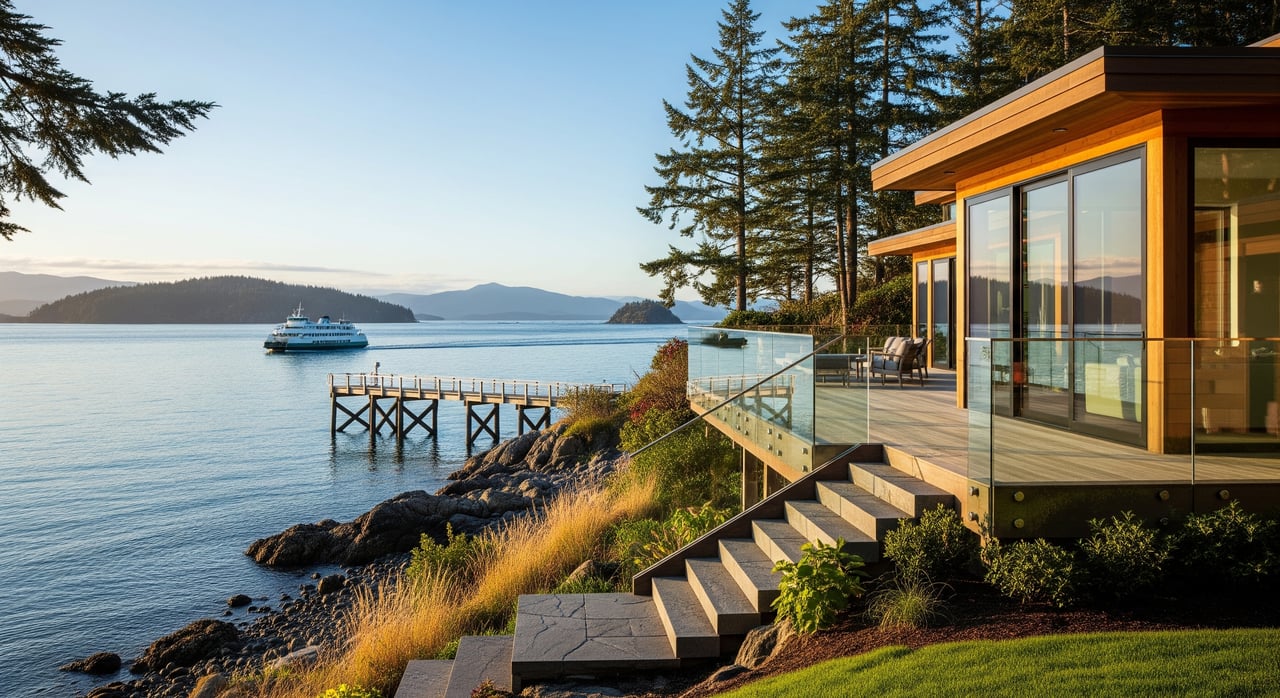
If Lopez Island is calling your name, your front door might be the Washington State Ferries dock. Life here is shaped by ferry schedules, seasonal demand, and a little extra planning. You want that quiet island rhythm without surprises. In this guide, you’ll learn how the Lopez ferry works, what it means for your commute and daily life, and the smart checks to make before you write an offer. Let’s dive in.
How the Lopez ferry works
Route and sailings
Lopez Island is served by the Washington State Ferries system on the Anacortes to San Juan Islands route. Some sailings run direct between Anacortes and Lopez. Others stop at multiple islands, which adds travel time. Because vessel assignments and schedules change, always confirm current sailings on the official WSDOT Washington State Ferries page.
Vessels and capacity
Ferries vary in size, and assignments can shift due to maintenance or seasonal needs. Larger boats carry more vehicles. Smaller vessels can mean fewer car spots and longer waits. If you plan to bring a vehicle often, check capacity and consider reservations during peak periods.
Fares and budgeting
WSDOT charges separate fares for vehicles and passengers. Costs vary by vehicle type and passenger age. If you travel frequently, build ferry fares into your monthly budget. For the latest fare structure and any discount programs, review the current details on WSDOT’s ferries site before you plan expenses.
Reservations and stand-by
Vehicle reservations are often recommended in peak months. Foot passengers typically do not need reservations, but lines can be long in summer. Policies for booking windows, changes, and no-shows can change. Check the Anacortes to San Juan Islands reservation information on WSDOT’s ferries site as you plan your trip.
Terminals and parking
Anacortes is your mainland gateway. Lopez has its own dock with staging areas for vehicles and pedestrians. Parking at Anacortes is limited and regulated, and it can fill fast in summer. If you plan to leave a car on the mainland, review current terminal and parking guidance through WSDOT’s ferries pages and arrive early for busy sailings.
What ferry life means for your day-to-day
Commute reality check
Your trip is more than the sailing time. Build in time to drive to the terminal, queue, cross, and then drive to your final destination. Depending on connections and stops, one-way travel to the mainland can take 1.5 hours or more. Daily commuting to larger metros like Seattle is uncommon; many residents combine remote work with occasional off-island trips.
To gauge your routine, look at morning and late-day sailings, note whether they are direct or multi-stop, and consider what happens if you miss your preferred boat. A missed sailing can push your day back by hours.
Moving, deliveries, and contractors
Most retailers deliver to Lopez, but expect longer lead times and higher delivery fees. Large appliances and furniture can require coordination with ferry space or commercial freight. If you plan a remodel or new build, schedule materials and crews around ferry availability. For big moves, ask movers about vehicle reservations or barge options well in advance.
Cars, bikes, and parking choices
Some islanders keep a vehicle on the mainland and walk on the ferry to skip car lines. Others rely on one vehicle and coordinate trips. If you live near services, biking and walking are popular. Check current parking options and rules at Anacortes if you plan to store a car there for extended periods.
Schools and student transportation
School schedules and bus routes are local, and families sometimes coordinate activities with ferry times. If you have students, confirm current policies, calendars, and transportation options with the district. You can find contact details and updates through the Lopez Island School District.
Medical and emergencies
Lopez has local clinic services for everyday care. For advanced care, most residents travel to larger facilities off-island. In urgent situations, air ambulance or boat transfer may be used depending on conditions. Build buffer time into non-emergency appointments and know how to reach local health and EMS resources through San Juan County’s site.
Seasons, alternatives, and backup plans
Summer vs. winter travel
Summer brings more visitors and heavier vehicle demand. You might see more frequent sailings in some seasons, but also long lines and sold-out trips. Winter can mean fewer sailings and occasional weather delays. Check service advisories before important travel on WSDOT’s ferries page.
Air options
Lopez Island has a small public-use airport. Scheduled and charter flights connect the islands with regional hubs. Many residents use air travel for time-sensitive trips when weather allows. Explore flight options through San Juan Airlines. For nearby island connections, review schedules with operators like Kenmore Air.
Private boats and moorage
A private boat can provide flexibility, though it comes with maintenance, moorage needs, and weather limits. If you plan to keep a boat, check moorage availability and seasonal considerations with local harbormasters and county resources.
Quick contingency checklist
- Identify at least two alternate sailings that fit your routine.
- Learn reservation rules and how standby queues work.
- Keep a small emergency kit in your vehicle for extended waits.
- Confirm clinic hours, EMS contacts, and air ambulance protocols.
- Budget extra time and cost for moves, deliveries, and contractor schedules.
Property value and location trade-offs
Proximity to the Lopez ferry dock offers convenience and can boost a home’s desirability. If you prefer quiet and privacy, a more remote setting might fit your lifestyle, with longer travel times as a trade-off. Seasonal demand affects traffic and travel flexibility, which also matters if you plan to rent your home short term. Align your location choice with how often you expect to hop on the boat.
What to verify before you write an offer
Ferry schedule and reservations
- Review current sailing times, direct vs multi-stop runs, and vehicle reservations for your likely travel windows on WSDOT’s ferries site.
- Check service advisories before key appointments and travel days.
Terminal and parking logistics
- Confirm parking rules and availability at Anacortes, including overnight options if you keep a car on the mainland.
- Note your drive time to the Lopez dock from the property and whether the route is bike-friendly for short trips.
Local services and permits
- Verify utilities, broadband options, and any project permits with the county. Start with the San Juan County website to reach Planning, Public Works, and utility contacts.
- If you plan short-term rentals or a remodel, confirm local rules and permitting early in your process.
Moving and contractor plans
- Ask movers about ferry reservations, shipping windows, and size limits.
- Confirm lead times and delivery fees for appliances and furniture.
- Speak with contractors about ferry-friendly schedules and material deliveries.
Local resources worth bookmarking
- WSDOT Washington State Ferries: schedules, fares, reservations, terminals, and advisories for the Anacortes to San Juan Islands route. Visit the WSDOT ferries hub.
- San Juan County: planning, public works, health services, and local contacts. Start at the San Juan County website.
- Lopez Island Chamber of Commerce: local travel tips, services, and community info. Explore the Lopez Island Chamber.
- Lopez Island School District: calendars, transportation info, and contacts. Visit the Lopez Island School District.
- Air travel: schedules and charters through San Juan Airlines and regional service via Kenmore Air.
Ready to explore Lopez with a local guide?
Buying on an island is different in the best possible way. You get calm beaches, small-town warmth, and a community that looks out for each other. You also get ferry schedules, delivery plans, and a few extra checklists. If you want a trusted advisor who understands island logistics and can help you weigh property location, access, and long-term value, reach out to Amy Gulden. Start your island story with thoughtful guidance and a plan that fits your life.
FAQs
How does the Lopez ferry reservation system work for vehicles?
- WSDOT opens reservation windows and sets rules for changes and no-shows. Policies can shift seasonally, so check the latest details on the WSDOT ferries site before you travel.
Is a daily commute from Lopez to the mainland realistic?
- It depends on your schedule tolerance. Travel often spans 1.5 hours or more each way, including queue times and connections. Many residents plan hybrid schedules or occasional off-island trips instead of a daily commute.
Will deliveries and contractor visits cost more on Lopez?
- Yes. Expect longer timelines and higher fees for large items and construction materials. Coordinate with ferry space and plan ahead for busy seasons.
Do I need a car on Lopez Island?
- Many residents keep at least one vehicle. Some store a car on the mainland and walk on the ferry. Your choice depends on proximity to services and how often you travel off-island.
How reliable is the Lopez ferry in winter?
- Service is generally reliable, but winter weather and maintenance can cause delays or cancellations. Build buffer time into critical travel and monitor advisories through the WSDOT ferries hub.
What should families know about schools and ferries on Lopez?
- Schedules are local, and families often plan activities with ferry times in mind. For current calendars and transportation details, contact the Lopez Island School District.