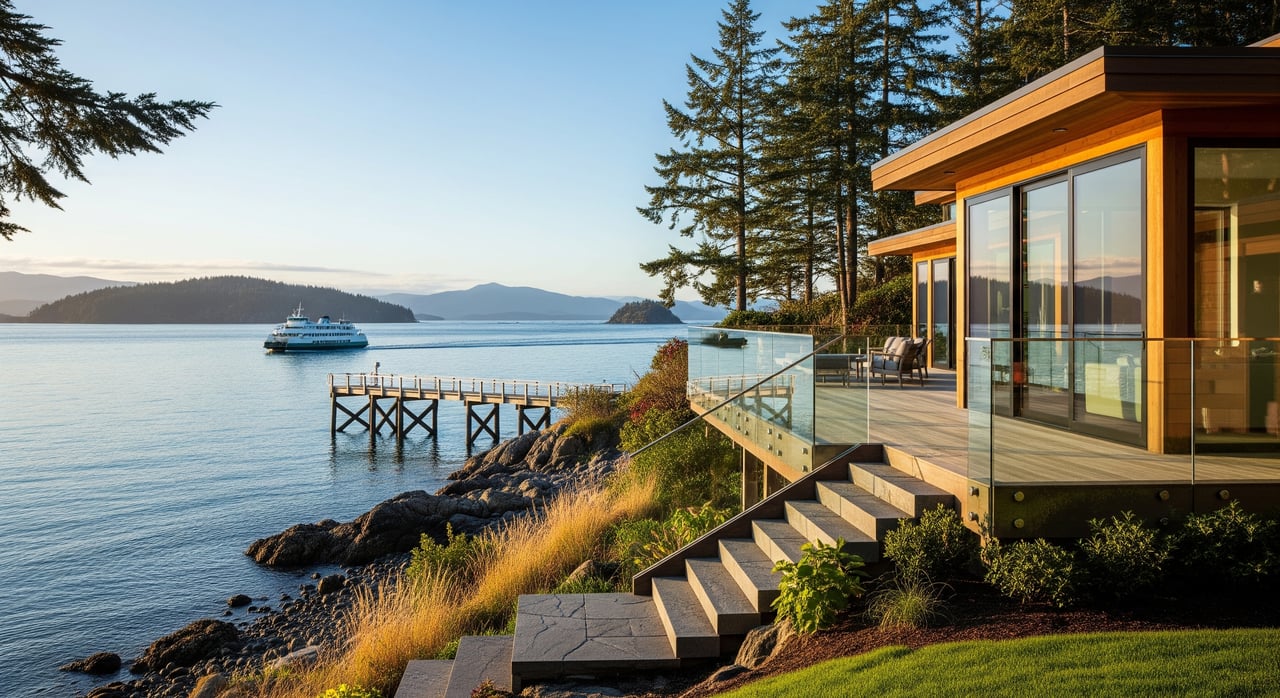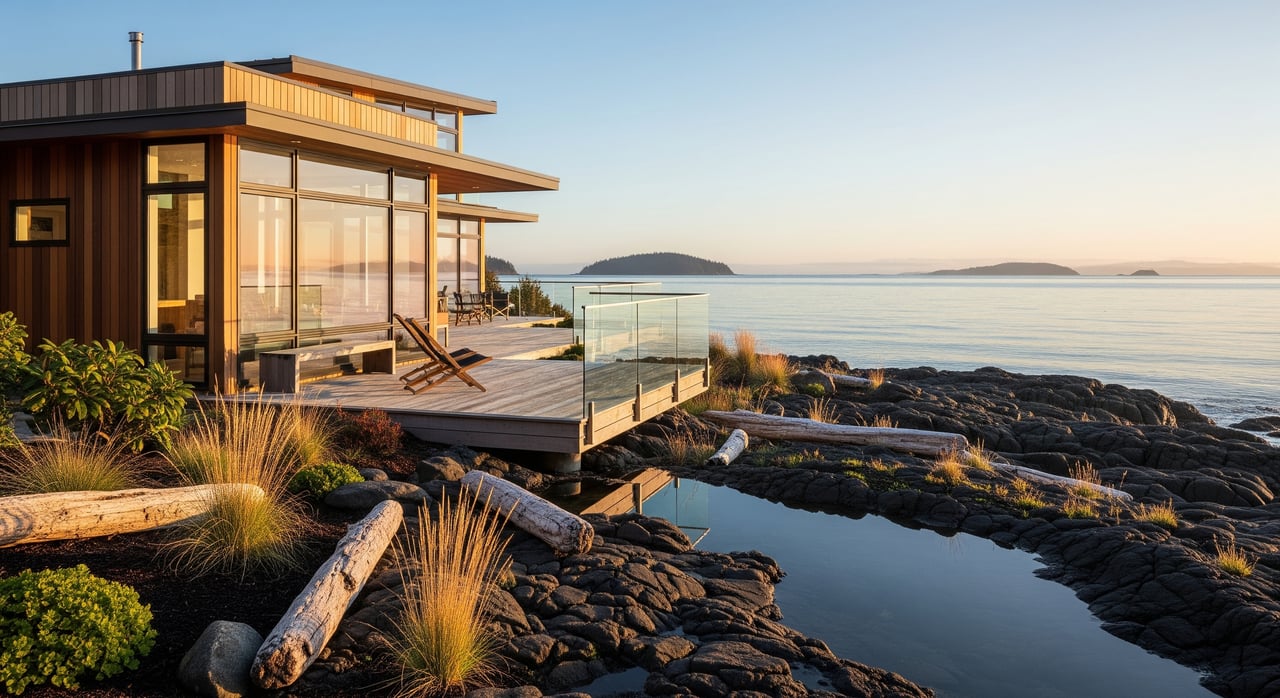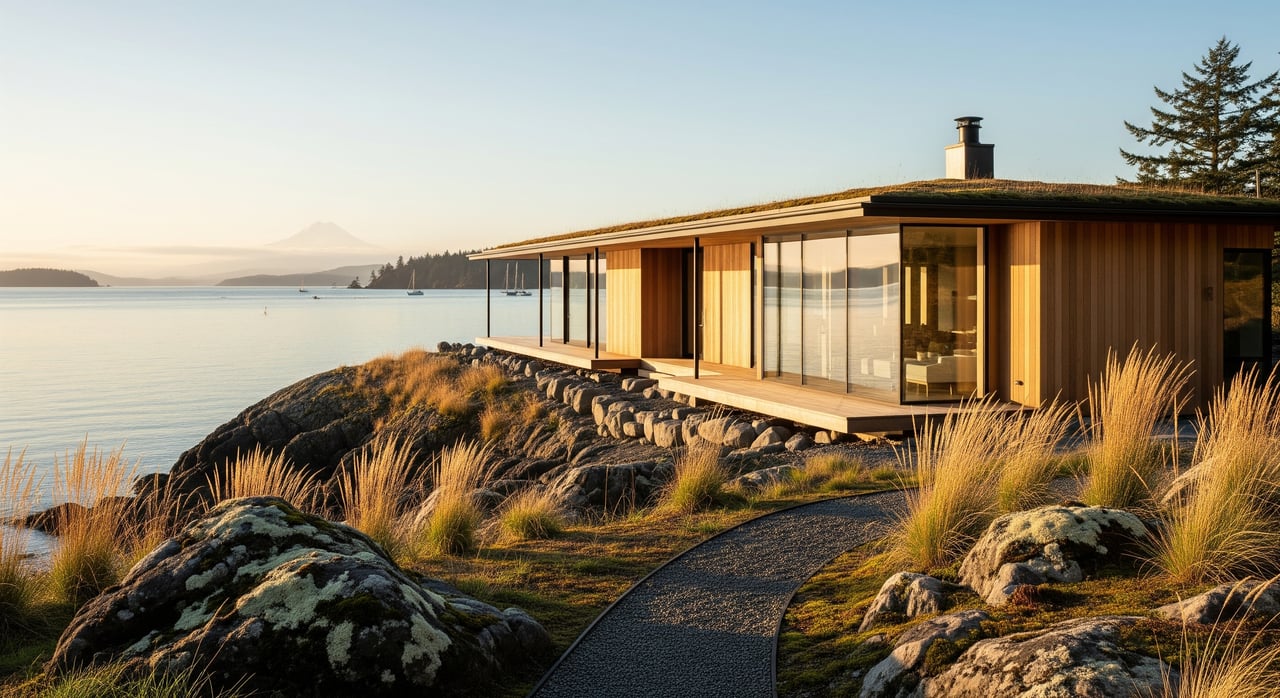
Thinking about buying land and building your home on Orcas Island in 98280? You’re not alone. The idea is exciting, but island rules, utilities, and ferry logistics make the process different from the mainland. In this guide, you’ll learn how to check buildability, what permits you will likely need, how ferries affect your schedule and budget, and exactly what to bring to a first consult so you can move forward with confidence. Let’s dive in.
Why Orcas land-builds are different
Orcas Island is rural and ferry-dependent, which adds planning steps and timing constraints to every project. Materials and crews travel by Washington State Ferries or private marine transport, so reservations and seasonality matter. San Juan County also protects rural character, shorelines, wetlands, steep slopes, and other critical areas. Zoning, setbacks, and lot coverage will shape your design and where you can build on a lot.
Can you build on this lot
Before you fall in love with a parcel, confirm the big feasibility items:
- Water supply. Verify if there is a permitted private well, a shared well, or a community system. Review well logs, yield, water quality records, and easements for shared systems. Some owners use hauled water or cisterns during development.
- Septic. Most properties use on-site sewage systems. You will need a soil and site evaluation, a septic design by a qualified designer or engineer, and a permit. Challenging soils, shallow bedrock, steep slopes, or small lots may require engineered systems.
- Access. Check driveway feasibility, road width, grades, and any private road maintenance agreements. Public Works standards and fire district access requirements may apply.
- Power and telecom. Confirm electric service availability and whether new poles, line extensions, or underground runs are needed. Internet options vary by location and may rely on fixed wireless or satellite.
- Topography and critical areas. Steep slopes, wetlands, and landslide-prone areas trigger reviews, buffers, and possible mitigation. A geotechnical report may be required on constrained sites.
- Shoreline considerations. Parcels within shoreline jurisdiction may need a shoreline permit and special setbacks. Cultural resource review can apply to some projects.
- Wildfire readiness. Fire district standards often include access width, turnarounds, water supply for suppression, and defensible space.
Permits you will likely need
Expect the county and state framework to shape your submittals and sequence:
- Building permit with plans, structural calculations, and energy compliance.
- Septic system permit with designer approval and inspections.
- Well permit or documentation of water source compliance for private or community systems.
- Critical Areas review if wetlands, steep slopes, or similar features are present.
- Shoreline permit if within shoreline jurisdiction.
- Grading and erosion control permits for earthwork.
- Driveway or approach permit for connections to public roads, plus any encroachment permits.
- Fire district approvals related to access, water supply, and protection systems.
- Utility hookup approvals for electric and telecommunications.
Local oversight comes through San Juan County Planning and Community Development, the Health Department for septic and wells, Public Works for roads, the local fire district, and the electric cooperative. State codes apply through the adopted building code and shoreline regulations.
Your step-by-step path
Follow a sequence that reflects island conditions:
- Pre-purchase due diligence. Review title, easements, covenants, basic zoning, and utility availability. Add contingencies if needed.
- Site investigations. Order survey or topo, perform soils and perc tests, pull well logs, and assess critical areas.
- Early consults. Speak with a planner or permit specialist, septic designer, and the fire district for access and water-supply standards.
- Land-use and utility clearances. Submit septic and well applications first where needed, along with any wetlands or shoreline reviews.
- Building permit submittal. Provide structural, energy, mechanical, plumbing, and electrical plans.
- Construction. Complete site prep, septic and well work, foundation, utilities, framing, finishes, and inspections.
- Final inspections. Obtain a certificate of occupancy.
Realistic timelines on Orcas
Simple projects on already-developed lots can take several months to a year from permit submittal to move-in. If your parcel needs septic design, geotechnical studies, or shoreline and critical area mitigation, expect multiple months to a year or more before you can break ground. Ferries, contractor availability, and material lead times can extend schedules, so build in buffer.
Major cost drivers to plan for
Island building costs vary site by site. Plan for:
- Site work and access. Clearing, grading, rock excavation, road work, and retaining structures.
- Septic system type. Engineered systems cost more than conventional systems.
- Water. Drilling a new well or connecting to a shared or community system.
- Utilities. Electric line extensions, new poles, and underground runs, plus telecom.
- Logistics. Ferry freight, off-island staging, and seasonal constraints.
- Foundations and geotechnical items. Steep slopes or rock can drive special designs.
- Fire requirements. Cisterns or sprinklers if required by the fire district.
Request estimates from local professionals once you have site specifics and a preliminary design.
Financing basics for island builds
Construction loans and construction-to-permanent loans are common. Lenders usually want detailed plans, budgets, and a qualified builder. Some lenders are cautious with remote or island projects due to logistics. Local banks and credit unions familiar with San Juan County can be more flexible. Land-only loans may require septic and well approvals or building permits before funding.
Consult checklist: what to bring
Come prepared so your first consult yields clear next steps and realistic numbers.
- Legal description, plat map, and any recent survey.
- Preliminary title report showing easements and covenants.
- Site photos of the land, access roads, and any structures.
- Well logs, water quality records, and any septic records or past perc tests.
- Topographic map or county GIS parcel printouts.
- CCRs or HOA rules if the parcel is in a community.
- Your wish list and program: square footage, bedrooms, garage, ADU ideas.
- Budget range and target timeline.
- Notes on utility preferences and access constraints, like narrow private roads.
Build your local team
Engage specialists early so you can test feasibility before final design:
- Land-use planner or permit consultant for zoning and critical areas.
- Septic system designer or sanitarian for on-site sewage feasibility.
- Licensed well driller or hydrogeologist for groundwater assessments.
- Civil or geotechnical engineer for steep slopes and foundation guidance.
- Surveyor for boundaries, easements, and topography.
- Architect or designer experienced with island codes.
- General contractor experienced in island logistics and ferries.
- Local lender or mortgage broker for suitable loan products.
- Fire district representative for access and water-supply requirements.
- Utility providers for electric and telecom capacity and fees.
Ferries and roads: plan for logistics
Ferry reservations and freight capacity can affect delivery dates, concrete pours, and crew schedules. Mainland staging and coordinated shipments help reduce delays. Narrow roads and tight driveways may require smaller trucks, temporary traffic plans, or improvements before heavy equipment arrives. Build contingency time into your construction calendar.
What happens after your consult
You should leave your consult with a clear roadmap: the key studies to order, the likely permit path and timeline, and a shortlist of local professionals to contact. From there, align your purchase terms and design choices with septic, well, access, and fire requirements to avoid surprises. If you are still searching for land, use these criteria to focus your shortlist on parcels with strong buildability.
Ready to plan your Orcas build with confidence? Start a conversation with Amy Gulden to align your goals with island realities and map your next steps.
FAQs
How do I confirm a buildable water source on Orcas Island
- Review existing well logs, yield and water quality records, and shared-system easements, or plan for a new well with a licensed driller.
What septic steps are required for a new home in San Juan County
- Arrange a soil and site evaluation, hire a qualified septic designer or engineer, obtain a septic permit, then install and pass inspections.
How long do permits usually take on Orcas Island
- Simple projects can move in several months to a year after submittal, while lots with septic, shoreline, or critical area issues may take a year or more.
Who pays for power and road extensions to a rural Orcas lot
- Property owners typically fund new electric extensions, underground runs, and any access or private road improvements needed for the project.
How do ferries affect construction costs and schedules on Orcas Island
- Ferry reservations and freight capacity add lead time and may increase costs, so contractors plan around seasonal demand and logistics.
Do I need a shoreline permit to build near the water on Orcas Island
- If your project is within shoreline jurisdiction, you may need a shoreline permit and must follow setbacks and other requirements.
What financing options fit land-build projects in San Juan County
- Construction and construction-to-permanent loans are common, and local lenders familiar with island logistics may offer more flexible terms.