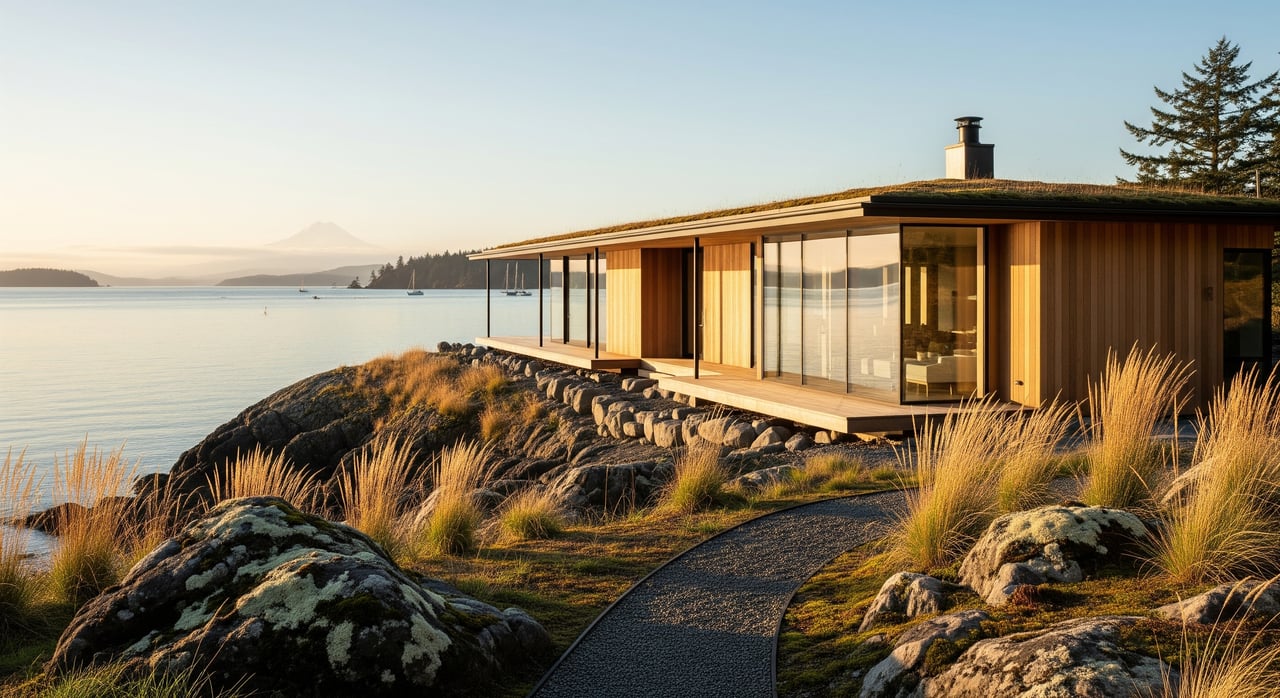
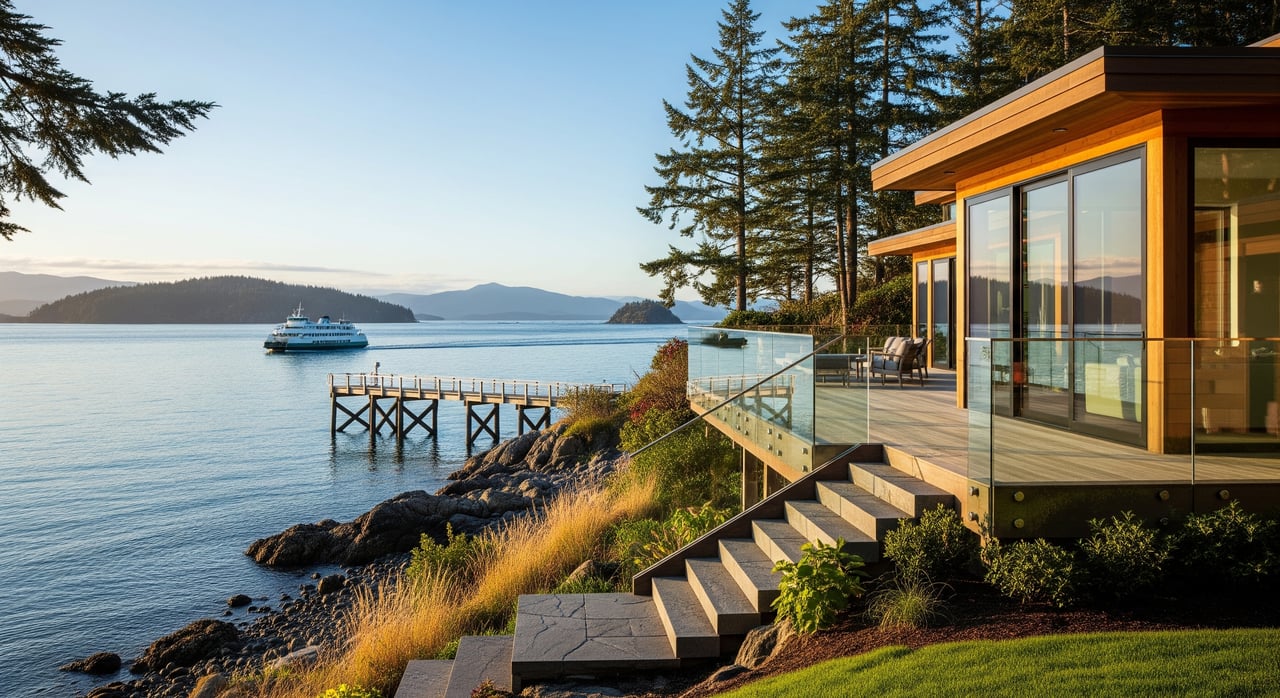
Thinking about adding an accessory dwelling unit to a Vashon property? You are not alone. From space for family to rental income, ADUs can offer flexibility and long-term value. On an island with septic systems, wells, shorelines, and ferry logistics, the path is different than in the city. This guide walks you through what to evaluate on Vashon so you can plan with confidence. Let’s dive in.
ADU basics on Vashon
Vashon and Maury Island are in unincorporated King County, so county zoning, permitting, and building codes govern most parcels. State policy has encouraged ADUs in recent years, but your project still has to meet local rules for land use, building safety, and environmental protection. You will work with King County’s Permitting Division for zoning and building, and Public Health — Seattle & King County for septic and wells.
At a high level, you will confirm that your zoning allows an ADU, meet size and setback standards, and provide safe access. Depending on your site, you may also navigate shoreline, steep slope, or wetland rules. Most projects require a building permit, and many require additional reviews.
Check zoning and parcel specifics
Start by confirming your property’s zoning and whether any special overlays apply. Zoning sets allowed uses, lot coverage, height, setbacks, and whether attached or detached ADUs are permitted. Some standards differ for conversions of existing space compared with new detached cottages.
Look up whether your parcel is within shoreline jurisdiction or mapped critical areas. Buffers around wetlands and streams, and rules for steep slopes, often affect placement and design. If you are near the water or on a slope, plan for extra review and possible mitigation.
Septic, wells, and utilities on Vashon
Because many Vashon homes use on-site septic, wastewater capacity is often the make-or-break factor. Adding a dwelling typically increases flows and triggers review by Public Health — Seattle & King County. A licensed septic professional will likely need to evaluate your system and design any expansion or replacement.
For water, many properties have private wells. Adding an ADU can require confirming well yield and water quality for the higher household demand. If you are on a public or community water system, verify rules, capacity, and connection fees early.
Electrical service, propane, and broadband may need upgrades. Remote sites can face higher costs for extensions and trenching. Coordinate early with utility providers to understand timelines and fees.
Shoreline, slopes, and critical areas
Vashon’s natural setting comes with extra care. Shoreline rules and the King County Critical Areas Ordinance protect marine shorelines, wetlands, streams, and steep slopes. These rules influence where you can build and may add buffers, setbacks, or specific construction methods.
If slopes or soils are a concern, a geotechnical report may be required. Build this into your timeline and budget. The more you know about your site’s constraints at the start, the fewer redesigns you will face later.
Access, parking, and fire safety
Island roads can be narrow, and some driveways are steep. Your ADU site needs safe access for residents and emergency vehicles. Fire district standards for access width, turnarounds, and fire flow may apply, which can influence where you place a unit.
Parking expectations are evolving under state law, but your site layout still needs to work in real life. Consider ferry commuting patterns and on-site parking demand, especially if you plan to rent to commuters.
ADU types and design choices
- Interior conversion: Converting a basement, attic, or garage generally has fewer site impacts and can be faster to permit. You must meet building code for egress, insulation, fire separation, and sound.
- Attached ADU: Adding onto the main home often simplifies utilities and can be cost-effective, while still meeting lot coverage and setback rules.
- Detached ADU: A cottage or carriage house offers the most privacy and flexibility but usually costs more and is more likely to trigger septic or critical area upgrades.
Choose the type that best fits your site, budget, and goals. On Vashon, many owners start with interior conversions to reduce septic and site work.
Permits, timeline, and inspections
Most projects benefit from a pre-application conversation with King County Permitting, especially if you have septic upgrades or critical areas. Expect permits for building, electrical, and plumbing, plus septic or well approvals from Public Health if applicable.
Timelines vary. Simple interior conversions may take a few months from design to completion. Detached ADUs that involve septic expansion, geotechnical studies, or shoreline review can stretch many months to over a year. Plan for multiple inspections during construction.
Costs, financing, and ROI
Island logistics can raise costs due to ferry transport and contractor scheduling. Get multiple bids from teams with Vashon experience and confirm who will coordinate with King County and Public Health.
Common financing includes cash, HELOCs, home equity loans, cash-out refinance, and construction loans. Some lenders have specific guidance for properties with wells and septic. ROI depends on construction cost, rental rates, and occupancy. Vashon’s limited rental supply can support steady rents, but run conservative scenarios that reflect island costs.
Rental rules, taxes, and valuation
If you plan to rent your ADU, review state landlord-tenant laws and King County rules for long-term rentals. Short-term rentals are regulated, and you may need to register and pay lodging taxes through state and county systems. Private covenants or HOAs can also restrict rentals.
Adding an ADU typically increases your assessed value. The King County Assessor can explain how new improvements affect your property taxes. Budget for a higher tax bill once the unit is complete.
Island logistics and contractor planning
Construction on an island requires extra coordination. Materials and crews rely on ferry schedules, which can affect delivery windows and subcontractor availability. Seasonal weather can also shape timelines, especially for site work.
Prefab options can reduce on-site time, but still need foundations, utilities, and crane or delivery access. Ask prospective builders about their Vashon experience and how they manage ferry-related scheduling.
Step-by-step feasibility checklist
- Confirm zoning and ADU allowance for your parcel with King County.
- Review shoreline and critical area maps and note buffers or steep slopes.
- Gather septic records and schedule a septic evaluation with a licensed professional.
- Verify water source and capacity, whether a private well or community system.
- Check for recorded covenants or HOA rules that may limit ADUs or rentals.
- Assess driveway access, emergency access, and potential parking.
- Contact King County Permitting for pre-application guidance and submittal requirements.
- Speak with island-experienced architects, septic designers, and contractors for early cost and timeline input.
- Consult the King County Assessor on how an ADU may affect your taxes.
- If you plan to rent, research Vashon rental demand and confirm STR or long-term rental rules.
How Team Langley can help
You deserve advice that blends lifestyle goals with practical, island-specific know-how. Our team’s strength is guiding you through site realities like septic, wells, shorelines, and access while helping you right-size scope, budget, and design for market value. Whether you are buying a Vashon property with ADU potential or preparing to build on land you own, we can help you assess feasibility, connect with septic and design professionals, and map the steps to permits and construction.
Ready to explore your options? Reach out to schedule a conversation with Amy Gulden. We will help you align your ADU plan with your property, your budget, and your goals.
FAQs
Can I build an ADU on my Vashon property?
- It depends on your zoning, septic and water capacity, and any shoreline or critical-area constraints; confirm with King County and start with a septic evaluation.
Will my septic system need an upgrade for an ADU?
- Often yes; Public Health — Seattle & King County typically requires evaluation, and many projects need system expansion or replacement to handle added flows.
Are short-term rentals allowed for Vashon ADUs?
- Short-term rentals are regulated; verify King County and state tax and licensing requirements and check any private covenants or HOA rules before listing.
How long does ADU permitting take on Vashon?
- Simple interior conversions can take a few months, while detached ADUs with septic or shoreline review can take many months to over a year from feasibility to occupancy.
Will an ADU raise my property taxes in King County?
- Yes; new improvements typically increase assessed value and property taxes, so consult the King County Assessor for specifics.
Do I have to live in the main house or the ADU?
- Owner-occupancy rules have changed in many places; verify current King County policy for your parcel and ADU type before you proceed.