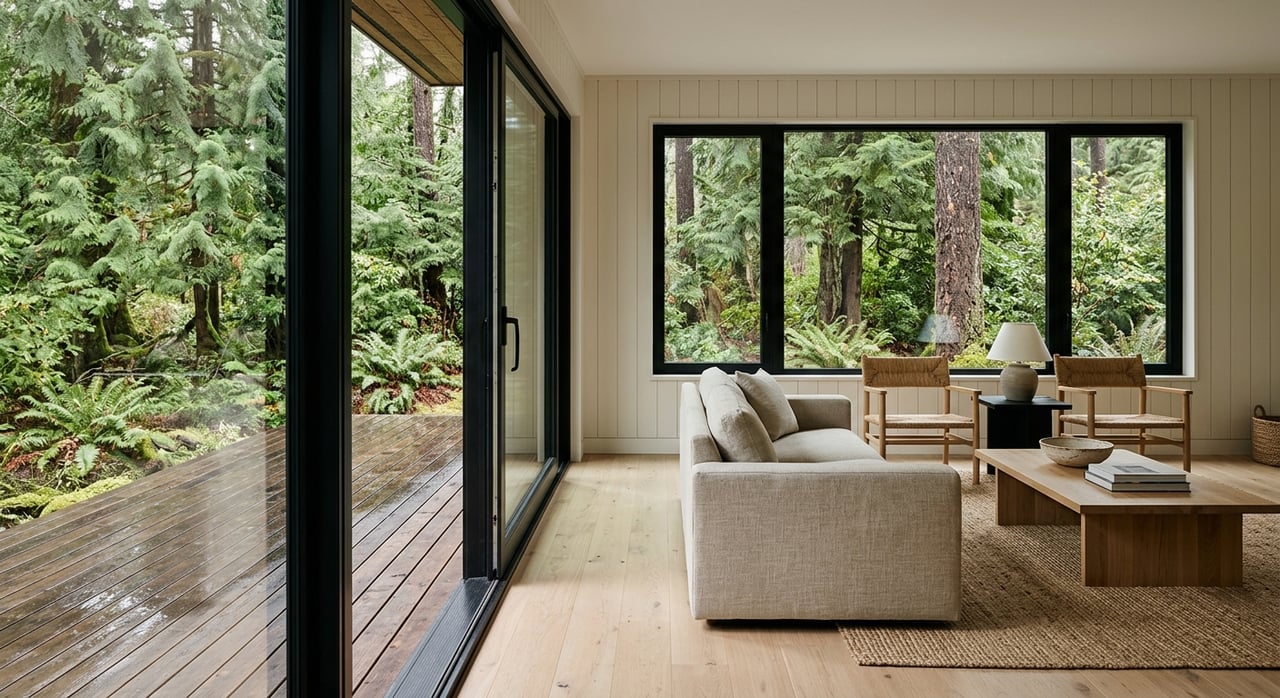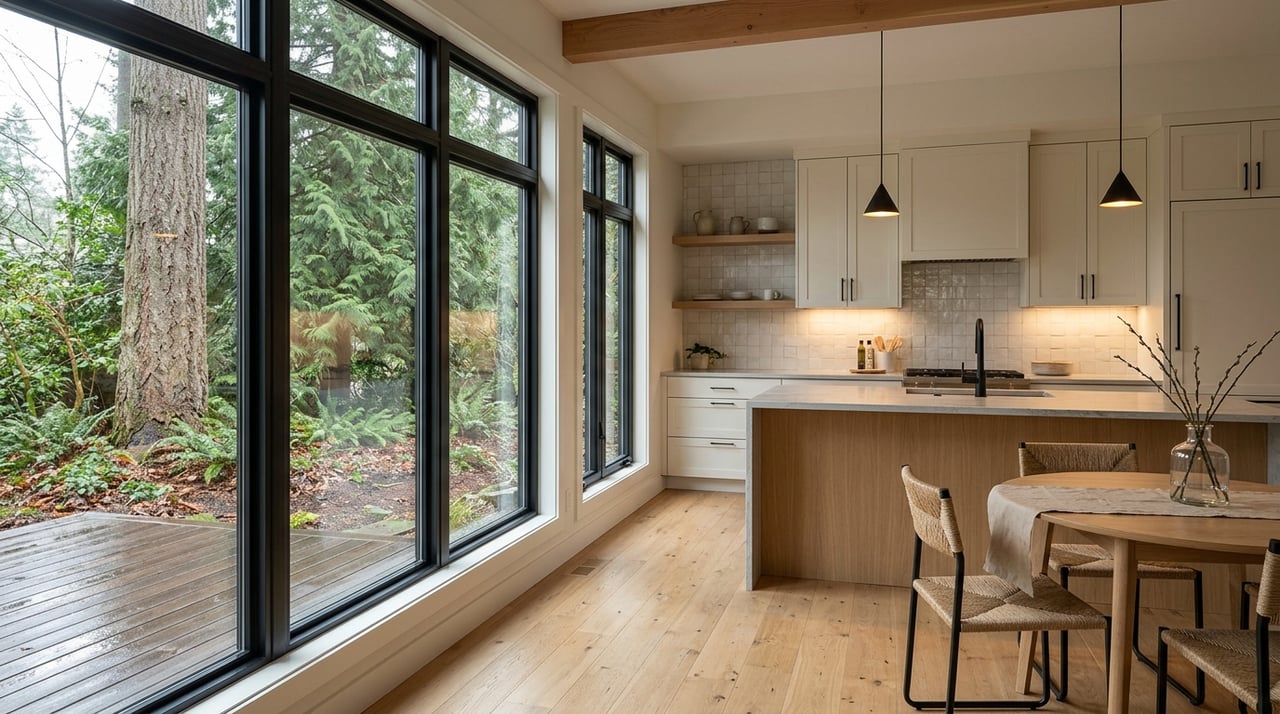
First impressions are everything, including your beautiful Whidbey Island home that's just gone on the market. And the truth is, most buyers are going to first see your home through a computer screen.
That's why even if your home has a great setting, strong design, and/or standout views, its full value still needs to come through online for a buyer to feel the urge to schedule an in-person showing.
Adding to this dynamic are modern factors such as buyers starting their home search from a distance (relocation), online tools to compare several homes quickly, and 'swipe' decision-making pairing down which listings deserve a closer look.
In today's world, your marketing must be elevated and appealing at first glance. It gives buyers a clear reason to engage and a stronger sense of what makes your property special. Let’s dive into how to level-up your home's marketing for the Whidbey Island market specifically.
Why premium marketing matters on Whidbey
Whidbey Island is not a one-size-fits-all market. According to Island County transportation planning, the island’s ferry routes support commuter, business, recreational, tourist, and freight trips, and Whidbey includes the municipalities of Oak Harbor, Coupeville, and Langley. That mix shapes how buyers evaluate property because they are often weighing the home itself along with access, setting, and how the property fits their lifestyle.
That matters even more when buyers are searching online from off-island. A home here may need to communicate more than room count and square footage. Buyers often want to understand orientation, privacy, land use, approach, and what daily access could feel like before they commit to a visit.
The market also still rewards listings that stand out early. As of February 2026, Redfin’s Whidbey Island market data showed a median sale price of $578,180, an average 38-day market pace, and a 98.8% sale-to-list ratio. In Island County’s 2025 NWMLS annual review, active residential and condo listings rose 32.23% year over year, which is a useful reminder that even in an active market, sellers still compete for attention.
Buyers decide online first
If you are selling on Whidbey, your first showing often happens on a screen. The National Association of Realtors 2025 buyer survey found that 43% of buyers first looked online for properties. It also found that the most useful website features were photos at 83%, detailed property information at 79%, floor plans at 57%, virtual tours at 41%, and videos at 29%.
That data points to a simple truth: premium marketing is not just about making a listing look polished. It helps buyers decide whether your home is worth touring at all. If your presentation is thin, unclear, or generic, buyers may move on before they ever understand the property’s value.
Whidbey listings often need that extra layer of context. Island County’s community portal highlights parcel-level details, plot size, sales history, assessed value, and local sales as important online information. For sellers, that reinforces the need for a listing that explains what buyers cannot fully understand from a quick drive-by or a short MLS description.
What premium marketing actually includes
Premium marketing works best as a complete package, not a single upgrade. It brings together strong visuals, useful information, and broad distribution so buyers can understand the property quickly and picture themselves there.
For many Whidbey Island listings, that package includes:
- Professional staging
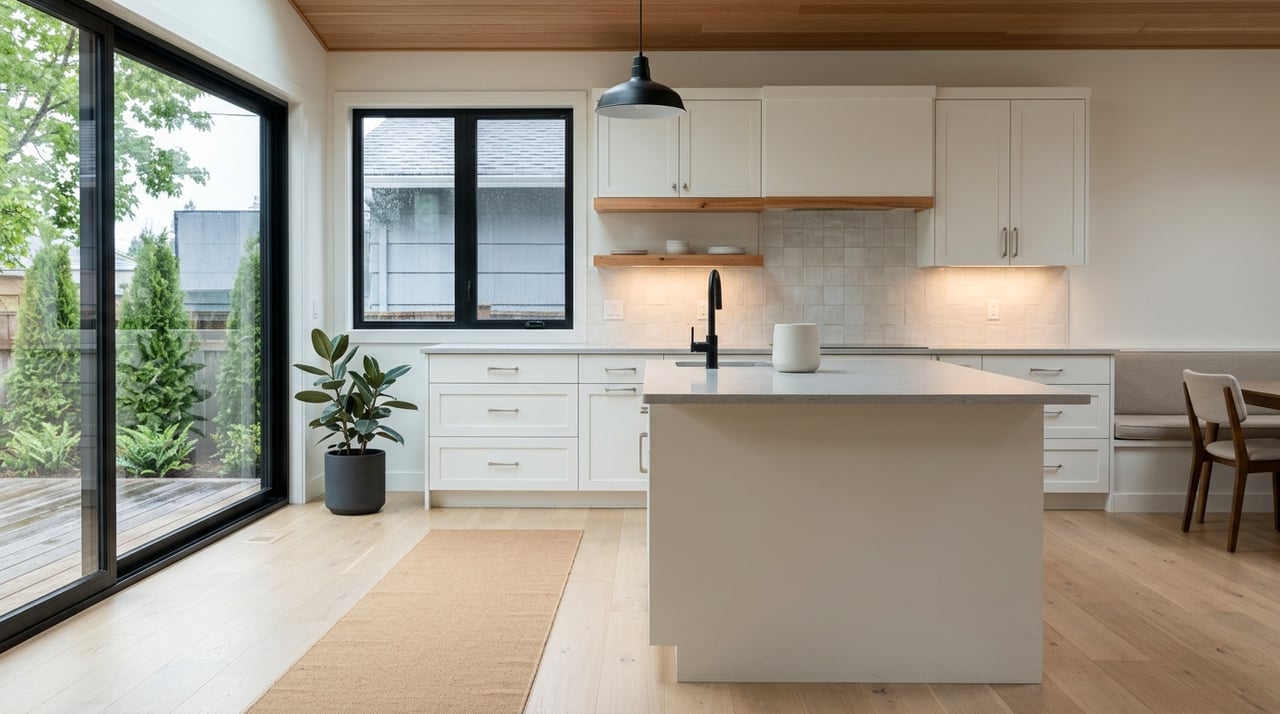
- High-quality photography
- Video walkthroughs
- Drone imagery and aerial context
- Floor plans
- Virtual tours
- Detailed property descriptions and feature callouts
- Digital promotion beyond the MLS
Each piece reduces uncertainty for buyers. Together, they tell a fuller story about the home, the land, and the setting.
Staging helps buyers connect
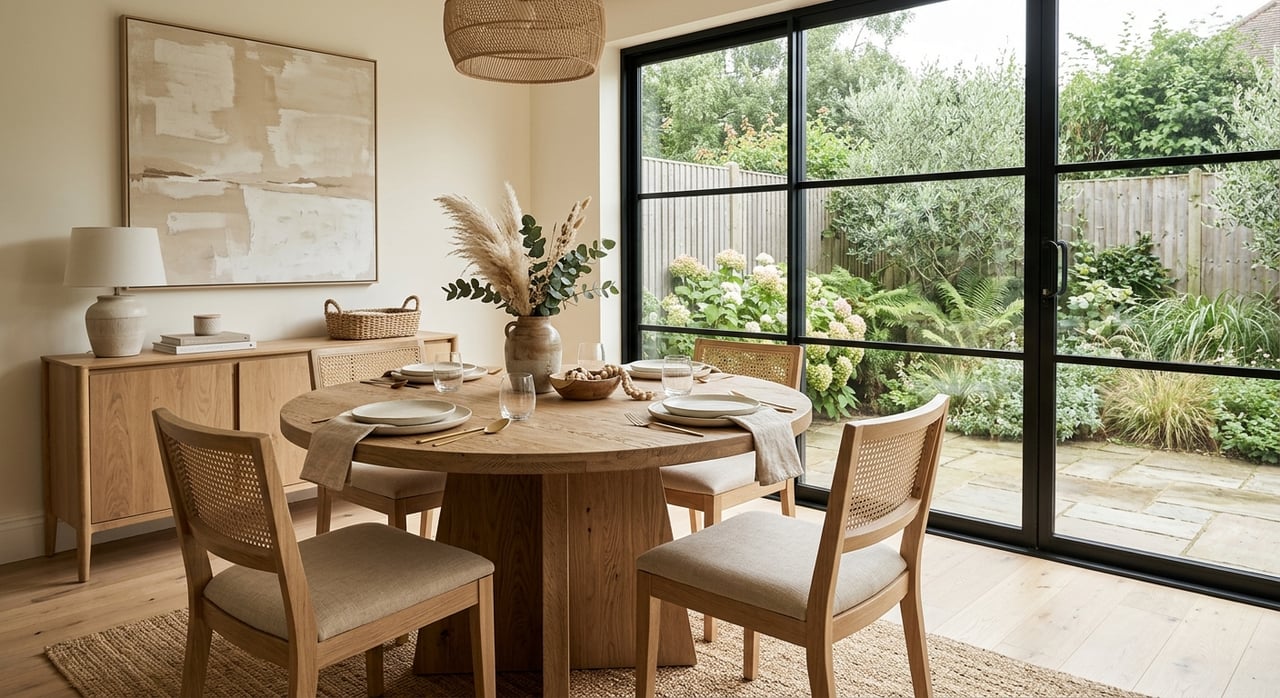
Staging is one of the clearest examples of marketing that creates results. In the NAR 2025 Profile of Home Staging, 83% of buyers’ agents said staging makes it easier for buyers to visualize a property as a future home. The same report found that 31% of buyers were more willing to walk through a staged home they first saw online.
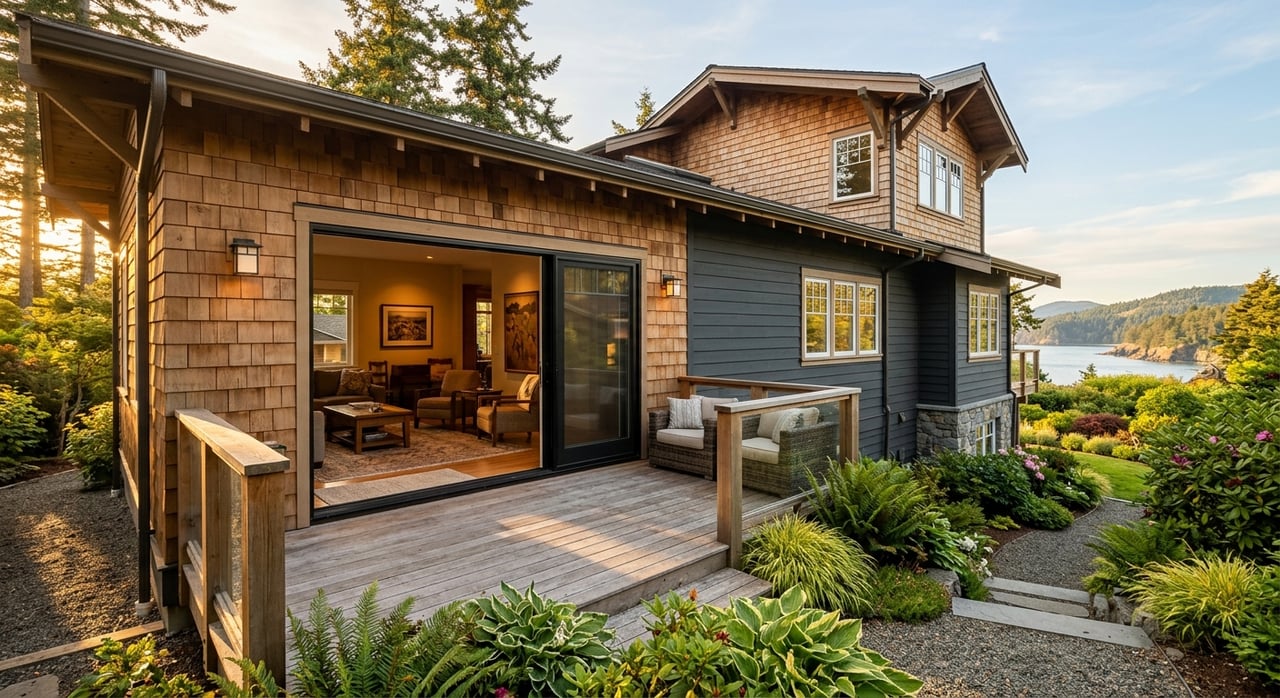
Online interest drives showing activity. If a buyer can understand scale, layout, and function from your listing's photos, they're more likely to take the next step. On Whidbey, that can be especially important for homes with flexible spaces, view rooms, guest areas, and/or indoor-outdoor living features that benefit from clear visual storytelling.
The NAR report also found 49% of selling agents saw reduced time on market from staging, including some reporting increased amounts offered on those listings.
Staging is not a guarantee, and NAR also notes it does not affect every buyer the same way. Still, the data clearly shows it can make a meaningful difference in how buyers perceive your listing.
Photography and video do heavy lifting
It's easy to see then why when buyers scroll through listings, the quality of your photos is also key. Photos rank as the top website feature in NAR’s buyer survey. Your listing's photography is not just documentation. It is your first chance to catch the buyer's eye, establish your home's quality, and drive buyers to take a closer look.
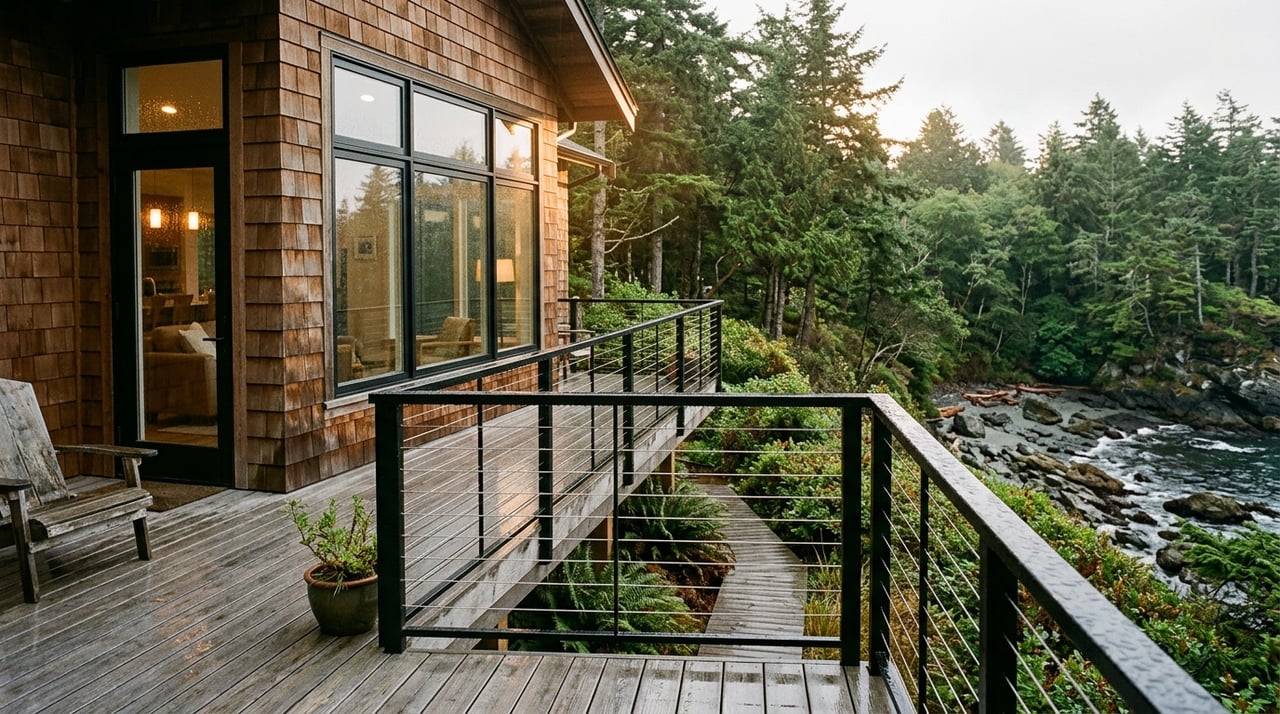
So if photos are key, video multiplies the ability to 'feel' online what your home is in-person. Video can show flow, light, and how rooms connect in a way still photos don't always capture. For Whidbey properties, video can also help communicate setting, approach, deck space, surrounding landscape, and the feeling of arrival.
NAR’s tech guidance notes that many agents use drone photography and virtual home tours to market homes remotely, further compounding how photography has transformed property marketing. For island listings, aerial imagery can show your property's shoreline context, lot boundaries, surrounding green space, and how your home sits within its environment.
Floor plans and details reduce guesswork
A buyer may love the photos and still hesitate if the layout is unclear. Floor plans matter. In NAR's buyer survey, 57% of buyers said floor plans were among the most useful website features.
Floor plans help buyers understand how a home flows. Plans answer questions that photos alone often miss, such as bedroom separation, traffic flow, workspace options, and how indoor and outdoor spaces connect. That clarity can lead to more qualified showings because buyers arrive with more accurate expectations.
Detailed listing information matters, too. On Whidbey Island, that may include practical features such as land configuration, parcel size, access considerations, and property function. Buyers often want both the emotional story and the practical story before they are ready to act.
Distribution beyond the MLS expands reach
The MLS is key, but it should not be your whole marketing plan. According to the NAR 2025 Technology Survey, social media generated the highest number of quality leads at 39%, followed by CRM at 23% and the local MLS at 17%. Listing syndication, email marketing, and digital ad campaigns also showed up as meaningful lead sources.
This supports a broader strategy for sellers. Once your home is fully prepped with staging, visuals, and strong property information, it needs distribution that reaches buyers where they already spend time. The goal is not just exposure. It is attracting the right attention from the buyers most likely to engage.
For a place-based market like Whidbey, broad distribution is especially valuable. Some buyers are local, but many are relocating, looking for a second home, or comparing island options from a distance. The more complete and visible your marketing is, the easier it becomes for buyers to understand your property before they travel for a showing.
Premium Marketing for the Win
If you are preparing to sell on Whidbey Island, premium marketing should not be viewed as an extra. It is how you position the home to compete online. In a market where buyers often begin their new home search by comparing homes quickly while on a phone or computer, your presentation can shape whether your listing gets skipped, saved, toured, or bought.
A high-quality marketing plan should help your property do three key things:
- Capture attention quickly
- Communicate value clearly
- Reduce uncertainty for serious buyers
That combination is powerful in any market, but especially on Whidbey Island, where setting and lifestyle are often central to the decision.
If you want a listing strategy that pairs island-specific insight with design-forward presentation, Amy Gulden can help you position your Whidbey Island home with the level of marketing today’s buyers expect. We can't wait to help you create an outstanding listing that really lets your home's unique value and characteristics shine.
FAQs
Is premium marketing worth it for a Whidbey Island listing?
- Yes. Buyer data shows that photos, detailed property information, floor plans, virtual tours, and video all help buyers evaluate whether a home is worth seeing in person.
Does staging help sell a home on Whidbey Island?
- Often, yes. NAR’s 2025 staging report found that staging helps buyers visualize the home and can support stronger engagement and reduced time on market.
Why do professional photos matter for Whidbey Island homes?
- Photos are the most useful online listing feature, according to NAR's buyer data. They are often the first factor in whether a buyer clicks, saves your listing, or schedules a showing.
Should a Whidbey Island listing include drone video or aerial images?
- In most cases, yes. Aerial visuals can help show setting, land context, shoreline relationship, and other features that are difficult to understand from ground-level photos alone.
Why market a Whidbey Island home beyond the MLS?
- Because NAR’s technology survey shows that social media and other digital channels generate meaningful leads -- especially with off-island buyers -- making broader distribution an important part of a strong listing strategy.