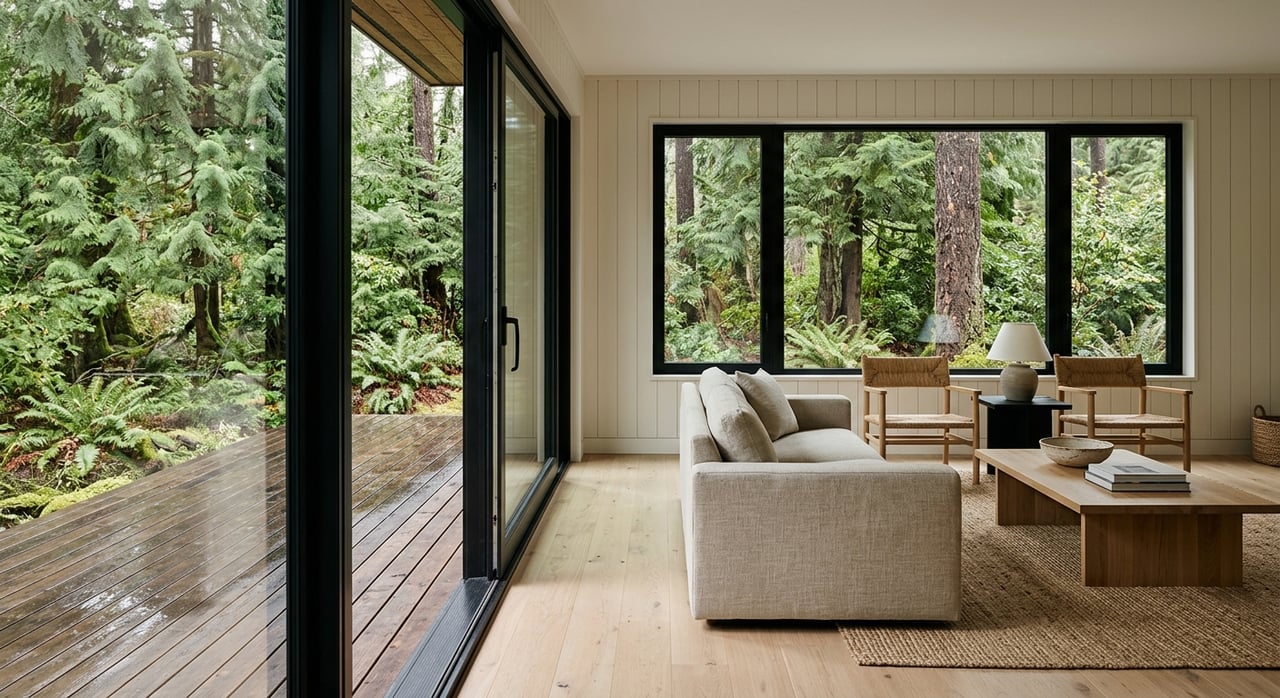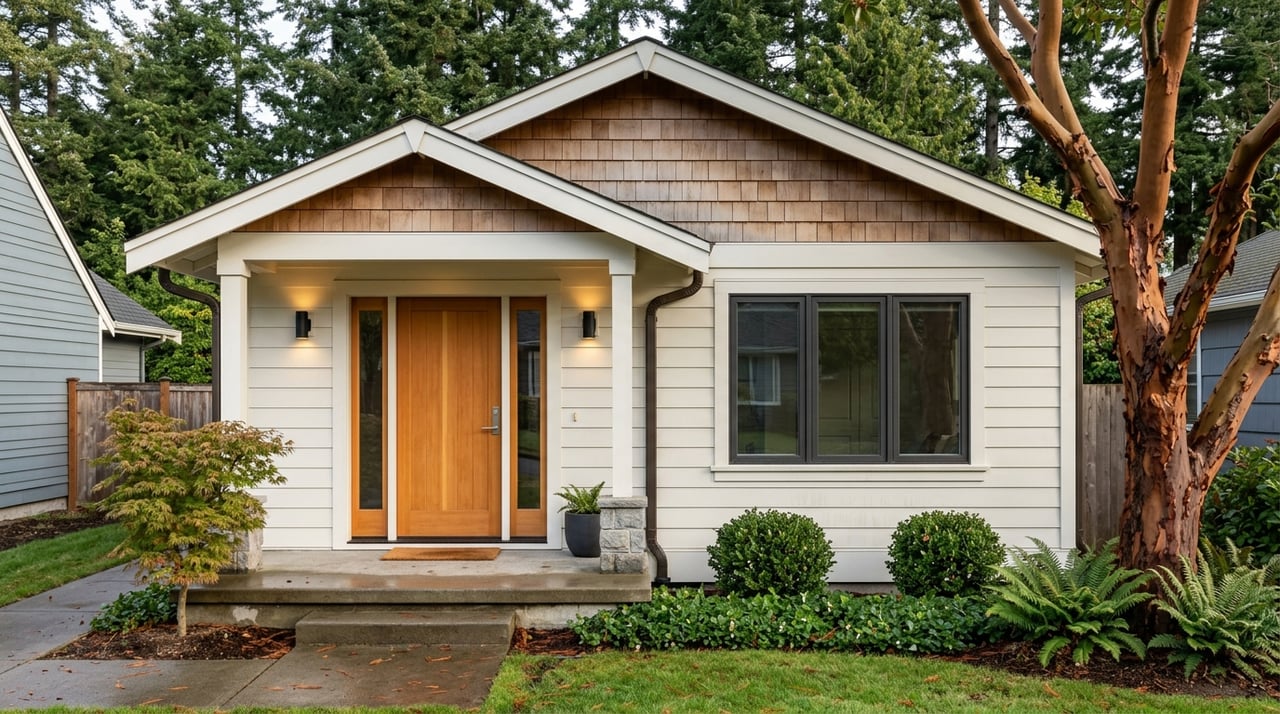
Feeling stretched by a home that no longer fits your day-to-day life? On Whidbey Island, right-sizing is not just about moving smaller. It is about finding a home that better matches how you want to live now, with less upkeep, smarter costs, and easier access to the places and services you use most. If you have been wondering whether your current home still makes sense, this guide will help you think through the local market, your options, and how to plan a smoother move. Let’s dive in.
What right-sizing means on Whidbey
Right-sizing is broader than downsizing. You may want less square footage, but you may also want a different layout, a smaller lot, fewer stairs, or a home closer to town. For many Whidbey homeowners, the goal is not to leave the island. It is to stay here in a home that feels easier to manage.
That question matters locally because Island County is older than Washington overall. According to U.S. Census QuickFacts for Island County, 28.3% of residents are age 65 and older, compared with 17.3% statewide. The county’s draft 2025 housing element also notes continued growth in older age groups over the coming decades.
At the same time, housing costs are a real factor. Census data shows a 74.7% owner-occupied housing rate, a median owner-occupied home value of $593,300, and median monthly owner costs of $2,318 with a mortgage or $747 without one. The county draft housing plan also says housing cost burden reached 52% of households in 2023, up from 35% in 2012 through 2016.
Signs your home may be too much
Sometimes the decision becomes clear all at once. More often, it builds slowly over time. A home that once felt ideal can start to feel demanding, expensive, or underused.
You may be ready to right-size if you notice a few of these patterns:
- You regularly use only part of your home
- Yard work, stairs, or maintenance feels harder than it used to
- Utility, insurance, or repair costs are taking a bigger share of your budget
- You want to be closer to shops, services, or community amenities
- You would rather spend time enjoying Whidbey than caring for extra space or acreage
On Whidbey Island, this can also mean rethinking property type. If you are in a larger single-family home on acreage, you may be looking for a simpler in-town home, a cottage, a manufactured home, or a property with less outdoor upkeep.
Why inventory type matters here
One of the biggest realities on Whidbey is that the housing mix is still weighted toward larger, detached homes. The county’s draft housing element says roughly 78% of housing units are single-unit homes, while about 11% are multifamily and about 11% are mobile homes.
That matters because smaller, lower-maintenance options can be harder to find. The same county planning documents say more housing diversity is needed over the next 20 years, including accessory dwelling units, cottage housing, duplexes, triplexes, fourplexes, manufactured homes, and housing for older adults. In other words, the direction is promising, but today’s supply can still feel limited.
The county also reports that 2,388 new dwelling units are needed over 20 years, with lower-cost homes in especially short supply. If your goal is a smaller, more manageable home, it helps to start with realistic expectations about what is available now and where you may have the best chance of finding it.
Where to look on Whidbey
If you want to right-size without leaving the island, location becomes just as important as square footage. Inventory, price point, and home style can vary quite a bit across Island County.
According to Realtor.com’s Island County market page, Oak Harbor had the highest active inventory at 185 homes for sale, followed by Coupeville at 66, Freeland at 51, Langley at 38, Clinton at 28, and Greenbank at 22. Median prices also varied, from about $625,000 in Oak Harbor to about $899,000 in Langley.
Oak Harbor and Coupeville
If you are prioritizing choice and practicality, Oak Harbor and Coupeville may be worth an early look. Based on current inventory counts, these areas may offer more opportunities to find a smaller-footprint home or a property with lower upkeep.
Oak Harbor in particular stands out for active listings. More available homes can give you more flexibility if you want to compare price, layout, lot size, and location before making a move.
Freeland, Langley, Clinton, and Greenbank
South and central Whidbey communities often attract buyers looking for village access, coastal scenery, or a quieter lifestyle setting. Inventory tends to be tighter in these areas, and prices can trend higher depending on location and property type.
That does not mean right-sizing is off the table. It simply means your search may need a more focused strategy, especially if you want a lower-maintenance home while staying close to the specific community you already love.
What a better-fit home could look like
Right-sizing is personal. For one homeowner, it means fewer bedrooms. For another, it means trading acreage for a compact home near town. For someone else, it may mean moving into a home with simpler systems and less deferred maintenance.
The county’s planning direction points toward a wider range of housing choices over time, including:
- Accessory dwelling units
- Guest cottages
- Cottage housing
- Duplexes, triplexes, and fourplexes
- Small multi-unit structures
- Manufactured homes and manufactured-home communities
- Housing for older adults, including independent and assisted living
On Whidbey, a better-fit home often means less maintenance and more convenience. It may also mean staying closer to services and daily needs while preserving the island lifestyle you value.
How taxes may affect your decision
If you are retired or nearing retirement, property taxes can be part of the math. Island County offers information on a senior citizen and disabled persons property tax exemption program that may apply if you own and occupy a Washington primary residence, meet income limits, and qualify by age or disability status.
The county states that for 2024 through 2026, exemption income tiers are $39,000, $46,000, and $54,000, with a deferral threshold of $57,370. The exemption program freezes the home’s value in the first qualifying year, while the deferral program allows eligible homeowners age 60 and older to postpone taxes under the rules listed by the county.
For some homeowners, these programs can make staying put more workable. For others, the bigger picture still points toward a move into a home with lower ongoing costs and less upkeep. It is worth reviewing eligibility early so you can compare your options clearly.
Is now a good time to make a move?
Current market conditions suggest a balanced environment rather than a sharply one-sided one. Realtor.com classified Island County as a balanced market in February 2026. Other recent trackers also point to an active but measured pace, with Realtor.com reporting about 49 median days on market and a 100% sale-to-list ratio, while Redfin market data cited in the research showed 37 median days on market in February 2026.
In a balanced market, planning matters more than trying to time a perfect week. You may still have solid selling opportunities, but you also need a clear purchase strategy if inventory in your target area is limited.
Sell first or buy first?
This is one of the biggest questions for right-sizing homeowners. The right answer depends on your finances, your comfort with risk, and how specific your next-home criteria are.
Selling first
Selling first can give you clarity on your budget and reduce financial overlap. This option often works well if you want to avoid carrying two homes at once or if you need your sale proceeds to fund the purchase.
The tradeoff is timing. You may need temporary housing if your next home is not available right away.
Buying first
Buying first can reduce disruption if you find the right replacement home before listing. This may be appealing if your current home is comfortable enough to keep while you search.
The challenge is financial flexibility. In a higher-value market, carrying two homes even briefly can add pressure.
Coordinating both
Some homeowners try to line up both transactions with contingencies or carefully timed closings. In a balanced market, that can be possible, but it takes strong preparation and a realistic view of local inventory.
This is where detailed planning can make a major difference. On Whidbey, the goal is usually not just moving from one address to another. It is managing a transition with as little friction as possible.
Steps for a lower-stress move
Before you make a decision, it helps to map the process in order. A thoughtful plan can keep the move from feeling overwhelming.
- Define your better-fit home. Focus on layout, maintenance level, lot size, location, and budget, not just square footage.
- Review your numbers. Compare your current costs with what a new purchase, taxes, insurance, and upkeep might look like.
- Check tax program eligibility. Review the county’s property tax exemption and deferral information if it may apply to you.
- Study target areas. Compare inventory and pricing across Oak Harbor, Coupeville, Freeland, Langley, Clinton, and Greenbank.
- Choose a sequencing plan. Decide whether selling first, buying first, or coordinating both best fits your situation.
- Prepare your current home. Even if you are moving to simplify, thoughtful presentation can still matter when it is time to sell.
Why local guidance matters on Whidbey
A right-sizing move on Whidbey is not always simple. Home search decisions can involve location, inventory, lot conditions, and the realities of island properties. If you are selling, presentation and timing matter. If you are buying, practical details can matter just as much as style.
That is why a place-based strategy helps. You want advice that considers not only price and size, but also how a home will function for the next chapter of your life on the island.
If you are thinking about whether your current home still fits, a thoughtful conversation can help you sort through the options. Amy Gulden can help you evaluate the market, compare Whidbey communities, and build a right-sizing plan that supports your goals with clarity and care.
FAQs
How do I know if right-sizing on Whidbey Island makes sense for me?
- If your current home feels too large, costly, or maintenance-heavy for your lifestyle, right-sizing may help you move into a home that better fits how you live now.
Which Whidbey Island areas may offer more options for a smaller home?
- Based on current Island County market data from Realtor.com, Oak Harbor and Coupeville may be practical places to start because they had more active inventory than several south-island communities.
Are smaller homes common on Whidbey Island?
- Smaller and lower-maintenance homes can be harder to find because Island County’s housing stock is still dominated by single-unit homes, with less multifamily inventory overall.
Can a property tax exemption help me stay in my current Whidbey Island home?
- It may, if you meet Island County’s age, disability, residency, and income requirements for the senior citizen and disabled persons exemption or deferral programs.
Should I sell my Whidbey Island home before buying the next one?
- It depends on your finances, timing, and how much flexibility you have, but in a balanced market, a clear plan for sequencing both transactions is especially important.