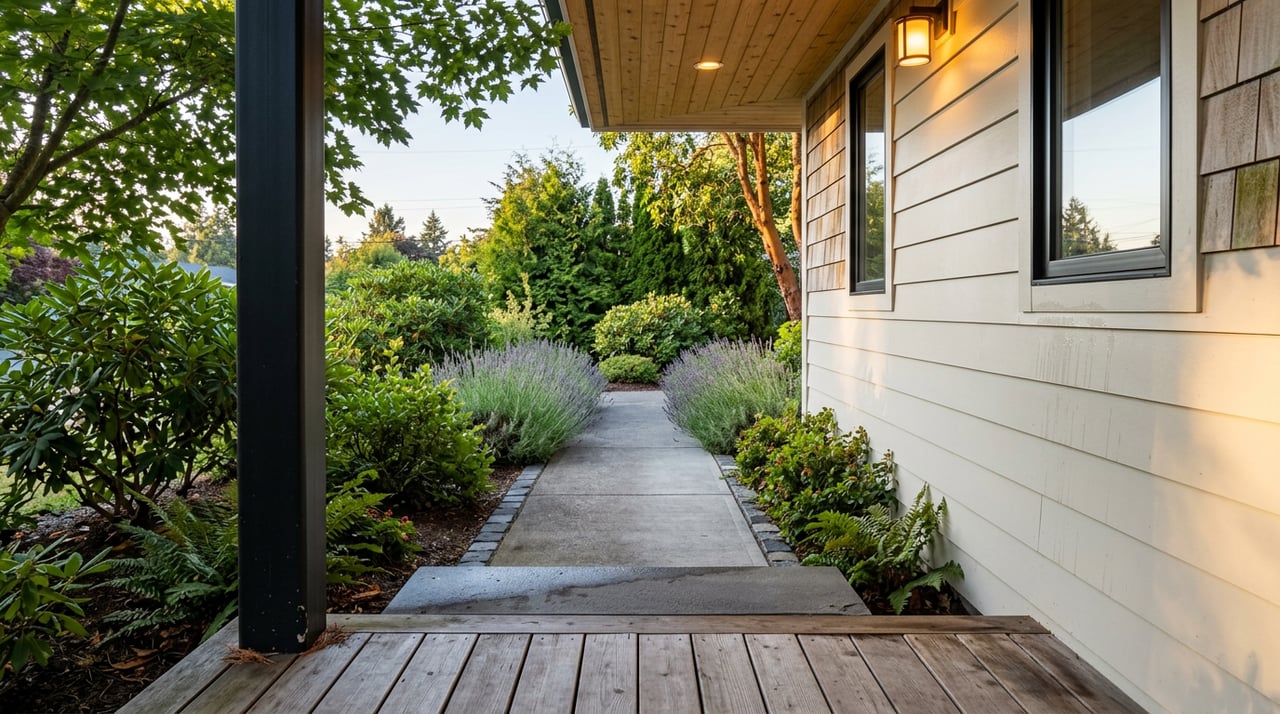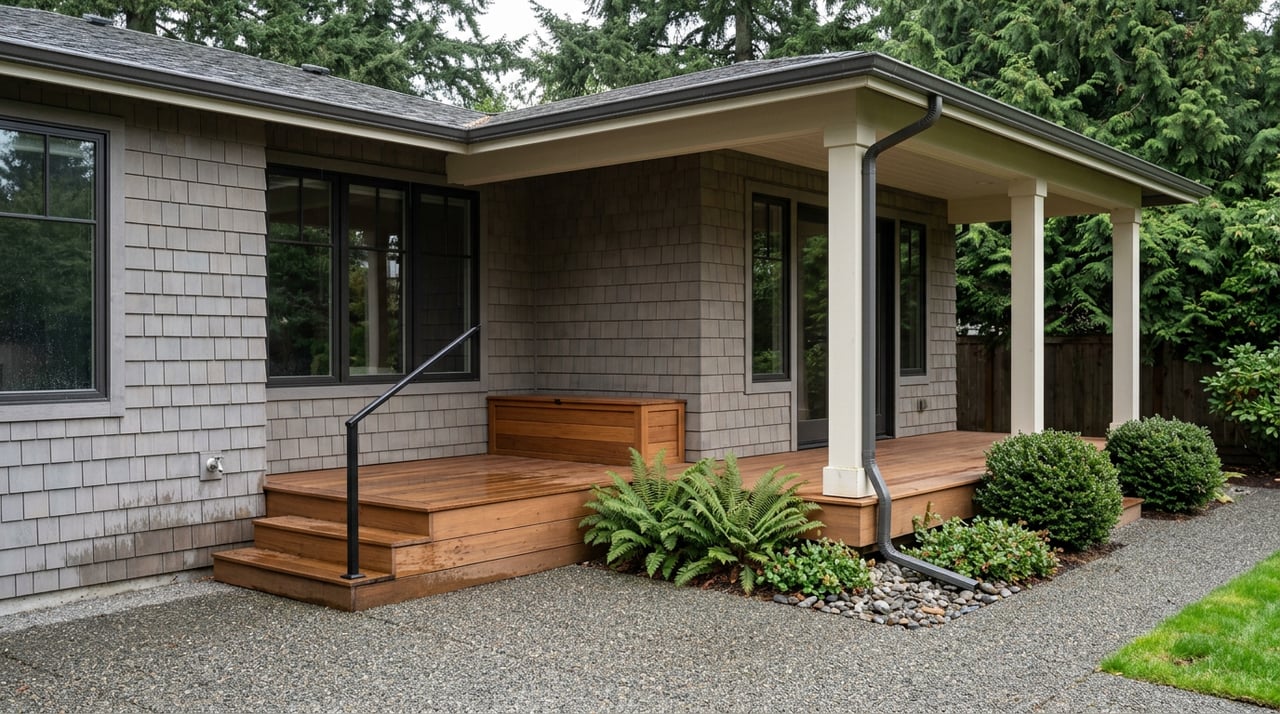
Thinking about a getaway you can reach after work, where evergreens meet open water and small-town life feels close at hand? If Whidbey Island is on your radar for a second home, you’re not alone. You want a place that is easy to reach, makes sense financially, and will be simple to manage when you are not there. In this guide, you’ll learn how to plan travel, understand local rules, budget the right way, and shop with confidence on Whidbey. Let’s dive in.
Why Whidbey fits second-home life
Whidbey Island sits in Puget Sound just north of Seattle. The island blends shoreline, forests, art-forward villages, and quick access to the outdoors. You can find quiet cabins, waterfront retreats, and design-forward homes close to coffee, galleries, and marinas.
Market patterns vary by area. County figures have hovered in the mid 500s for median sale price in recent reports, while South Whidbey ZIPs like Freeland have trended higher. The key for you: set a ZIP-specific budget and expect premiums near Langley and other South Whidbey amenities. North end areas and some central pockets often offer more inventory.
If you love walkable village life and arts, you might focus on Langley and nearby South Whidbey neighborhoods. If you want more space or easier access to services tied to NAS Whidbey, explore Oak Harbor and central zones. Decide on your lifestyle first, then match it to a micro-market.
Getting here: ferry facts you can use
The primary route from the Seattle area is the Mukilteo–Clinton ferry. The crossing itself is about 20 minutes, but your total trip includes drive time to Mukilteo, arrival and queue time, and on-island driving to your home.
- Check the Washington State Ferries route pages for schedules, vessel updates, and rider alerts. Start with the Mukilteo–Clinton resources on the WSDOT site: Washington State Ferries travel pages.
- In peak seasons and weekends, budget extra time for the queue. Arrive early for targeted sailings when you can.
- Watch for construction or midday suspensions that can change travel windows. WSDOT posts service notices with dates and details.
- For frequent use, consider a routine: preferred sailing times, backup work spots near terminals, and a simple on-island supplies checklist.
Short-term rental rules: not one-size-fits-all
Short-term rental rules depend on the exact jurisdiction. Before you assume you can rent your home part-time, confirm where the parcel sits and what that town or the county allows.
Island County overview
Island County has been reviewing short-term rental topics, but there is no single strict countywide regime today. Compliance depends on whether the property is in a city or in unincorporated county areas. Review county planning materials and confirm rules for your parcel: Island County planning commission packet.
City of Langley
Langley has a detailed licensing program for short-term rentals. Expect license requirements, occupancy and safety standards, parking rules, septic and bedroom limits connected to public-health records, and a local manager or 24-hour response contact. You will also need a city business license. Read the code before you plan revenue: Langley short-term rental regulations.
Town of Coupeville
Coupeville takes a more restrictive posture in some residential zones. The town requires an annual STR license and lists safety checks, local contact details, and compliance proof with septic and building records. Pay attention to where STRs are allowed and where they are not: Coupeville STR license application and requirements.
Oak Harbor and unincorporated areas
Some jurisdictions rely on business and regulatory license frameworks rather than a stand-alone STR code. In Oak Harbor, start here for licensing guidance: Oak Harbor regulatory licenses. In unincorporated county areas, rules may be more permissive today yet still under review. Always confirm with the city or county office before you count on rental income.
Quick decision check
- Identify the parcel’s jurisdiction first.
- Verify STR license availability and conditions early.
- Confirm septic capacity. Bedroom counts and septic records can limit occupancy.
- Plan for local manager coverage if required.
Financing and tax basics for second homes
Conventional financing is the common path for vacation homes. Many lenders expect a stronger credit profile and a larger down payment than for a primary residence, often in the 10 to 20 percent range. If a property will be treated as an investment, underwriting and down payment requirements usually rise. Start with clear goals and an experienced lender who handles second-home loans. Learn the basics here: second-home financing overview.
Lenders will count your full monthly payment on any existing mortgages when they calculate debt-to-income, and some conventional lenders want several months of reserves for a second home. Be transparent about occupancy plans. Misstating intent can create legal issues and loan problems.
For federal taxes, mortgage interest on a second home can be deductible under standard rules for a qualified residence, subject to limits. If you plan to rent your home part of the year, the mix of personal days and rental days affects reporting and deductions. Review the IRS overview and talk with your tax professional: IRS Publication 936.
Septic, wells, insurance, and internet
Many Whidbey properties use on-site septic systems and private wells. These are normal here, but they add a few steps to your second-home checklist.
Septic: what to ask and expect
Washington requires septic inspection at property transfer, and Island County maintains homeowner resources and program guidance. Ask the seller for the On-Site Sewage Inspection Report and any as-built records. Clarify system type, pump schedule, and recent maintenance. Start with county resources: Island County On-Site Sewage program.
Wells and water quality
Private wells are common. Island County Public Health recommends regular testing for coliform and nitrate, and well tests are a standard part of many transactions. If you are buying, plan to review recent results or order testing during your inspection period. See county guidance: Well-testing recommendations.
Insurance and coastal exposure
Second homes that sit vacant at times may require vacancy endorsements. Waterfront or low-lying parcels can carry higher premiums and, in some cases, flood insurance requirements. Check FEMA mapping and confirm lender and insurer needs for any shoreline or flood-prone site.
Internet and remote-work readiness
Connectivity varies by location. Do not rely on a listing claim. Verify the provider and speeds at the property address, test a typical workday session during a showing, and confirm backup options such as a cell hotspot or a local co-working space.
Budget checklist: plan for the real costs
Build a clear budget that reflects how you will use the home and where it sits. Here is a quick list to shape your plan:
- Mortgage payment. Confirm the loan type matches your usage plan, second home or investment. See a practical overview here: second-home financing basics.
- Property taxes. Use Island County levy and tax area summaries to estimate by parcel: Island County levies.
- Homeowners insurance. Consider vacancy, flood, and earthquake endorsements as needed.
- Utilities. Account for seasonal reconnection fees if the home is winterized.
- Septic upkeep. Budget for routine pumping and inspections based on system type. Start with county program info: On-Site Sewage program.
- Well testing. Plan for annual coliform and nitrate testing if on a private well: Well-testing guidance.
- Ferry costs and time. Factor in vehicle and passenger fares plus queue time. Check current info on the WSDOT site: Washington State Ferries.
- Property management and cleaning. Add city or county STR license fees if you plan to rent.
How to shop smart on Whidbey
A focused search saves time and prevents surprises. Use this checklist to move with confidence.
- Confirm the parcel’s jurisdiction. Is it City of Langley, Town of Coupeville, City of Oak Harbor, or unincorporated Island County? Read the relevant pages before assuming any rule applies island-wide. Start with city codes and county planning materials: Langley STR code and Island County STR planning notes. For Coupeville, see the STR license steps.
- Ask the seller for key records. Request the septic inspection report and as-built, any recent well test, and proof of city or county STR or business licenses if the home was rented before.
- Match financing to use. Get written confirmation from your lender that your intended use aligns with the loan program and down payment.
- Test your commute and connection. Make a weekday trip, use your usual arrival window on the Mukilteo–Clinton route, and run an internet speed test at the property.
- Verify septic capacity before marketing rental income. Bedroom counts and septic approval often set occupancy limits.
Weekend test drive: try before you buy
Before you write an offer, plan a simple trial run. Pick a normal Friday arrival window and drive to the Mukilteo terminal with time for a possible queue. Cross to Clinton, do a grocery stop, and time your drive to neighborhoods you like. On Saturday, test remote work for an hour in the home or at a local spot, walk the nearby beach or trail, then note travel time between towns you expect to visit. On Sunday, aim for a return sailing you might use often and track total door-to-door time.
This quick field test will confirm your comfort with ferry timing, internet reliability, and the day-to-day rhythm of island life in your target area.
Ready for your island next step?
If Whidbey feels like the right fit, you deserve guidance that blends lifestyle insight with technical know-how. Our team works daily with septic and well issues, shoreline and land-use nuances, and the local rules that shape second-home ownership here. When you are ready to explore, connect with Amy Gulden to map your budget, short list the right micro-markets, and plan a search that matches how you want to live on the island.
FAQs
How long does the Mukilteo–Clinton ferry take door to door?
- Plan for drive time to the terminal, arrival and queue time, a roughly 20-minute crossing, and on-island driving time. Check Washington State Ferries before each trip.
Can I rent my Whidbey second home on Airbnb?
- It depends on the parcel’s jurisdiction. Langley requires a specific STR license and a city business license, Coupeville is more restrictive in some zones, and county rules differ. Start with Langley’s code or Coupeville’s license steps.
What down payment do lenders expect for a second home?
- Many conventional lenders look for 10 to 20 percent down with reserves and stronger credit than a primary home. Review basics here: second-home financing overview.
Do I need a septic inspection when I buy on Whidbey?
- Yes, septic inspection at property transfer is part of the process in Washington, and Island County maintains program guidance. Start with the On-Site Sewage program.
How often should I test a private well on the island?
- Island County Public Health recommends regular testing for coliform and nitrate, and many buyers request recent results during a sale. See well-testing guidance.
How do property taxes work for a second home in Island County?
- Use the county’s levy summaries and local tax area information to estimate a parcel’s annual taxes. Start here: Island County levies.
Who do I contact about business or rental licenses in Oak Harbor?
- Begin with the city’s regulatory and business license page for current requirements: Oak Harbor regulatory licenses.