Water at your doorstep or sweeping Sound views from above? If you are deciding between a true waterfront home and a high‑elevation view property on Whidbey Island, you are not alone. Both options deliver the island lifestyle in different ways, and the right fit depends on how you want to live, entertain, and manage long‑term upkeep. In this guide, you will learn what “waterfront” and “view” really mean here, how pricing and permitting work, and the practical steps to take before you buy. Let’s dive in.
What counts as waterfront vs view on Whidbey
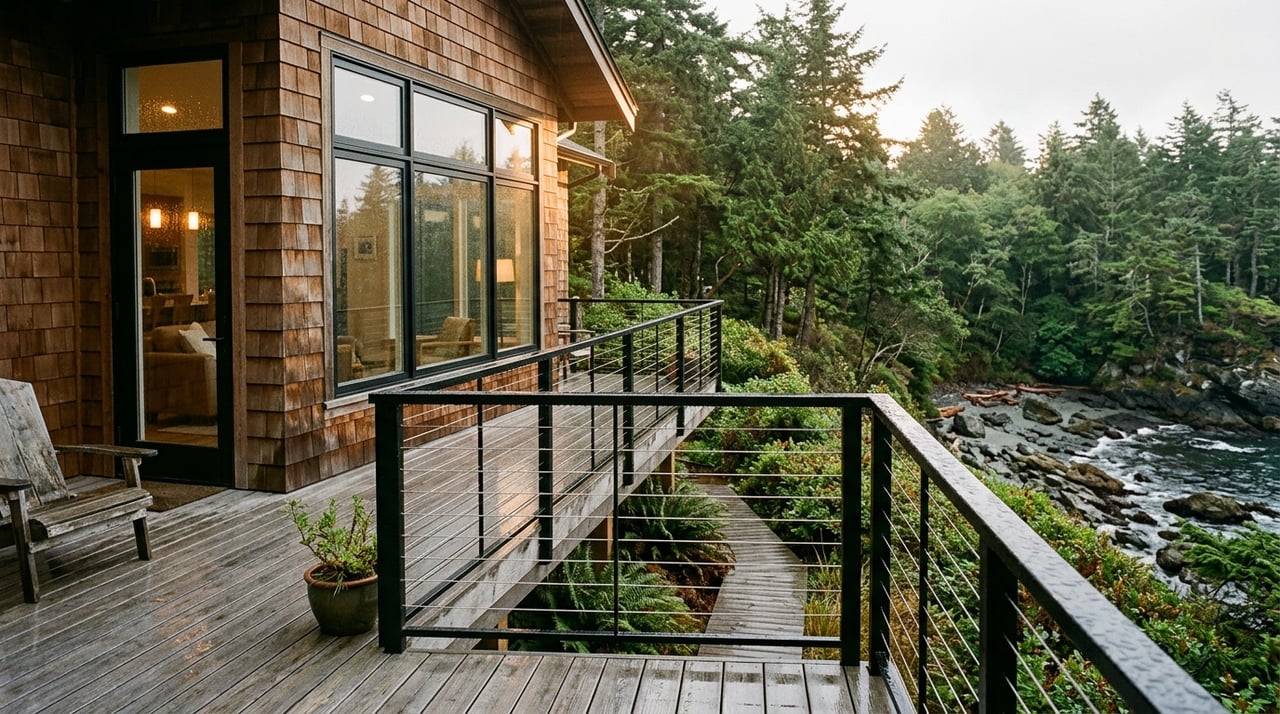
Waterfront on Whidbey refers to property with direct frontage on marine or lake shorelines. Parcels can be low‑bank with easier access to the beach or high‑bank on a bluff. Ownership and allowed uses can be shaped by tideland ownership, which may be private or state‑owned aquatic lands. For a deeper look at how shoreline type, rarity, and use affect value, review the regional waterfront market report.
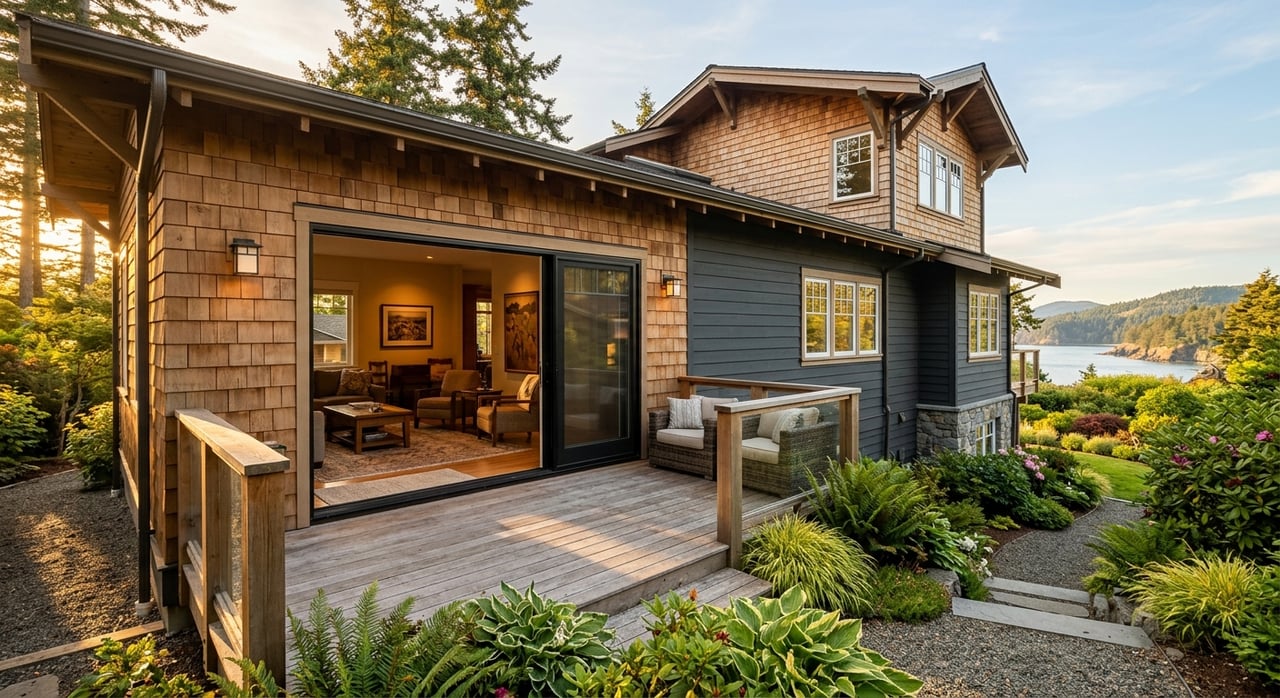
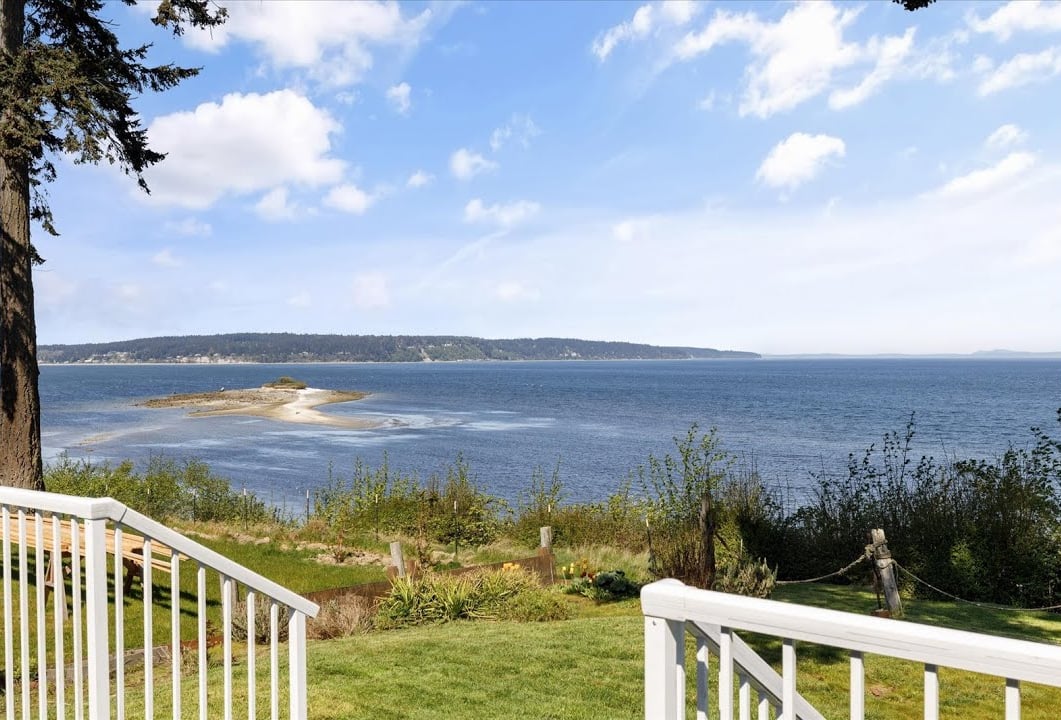
View homes sit above or set back from the water, offering partial or full views of the Sound, bridges, or mountains without direct shoreline access. You still need to follow local building and critical‑area rules, and septic systems remain a key factor, but you typically avoid shoreline‑specific permits for routine yard or deck work. For shoreline scope and definitions, see Island County’s Shorelines program.
Big‑picture tradeoffs at a glance
Waterfront: Why people choose it
- Direct access to the beach for daily walks, tidepooling, or paddling.
- Potential for moorage or a dock if permits and ownership rights allow.
- Strong emotional draw and lifestyle aligned with tides and shoreline activity.
Keep in mind:
- More complex permitting and higher maintenance needs near the water.
- Exposure to coastal processes like flooding or bluff erosion.
- Insurance and long‑term shoreline stewardship can add cost and time.
View homes: Why they appeal
- Wide, consistent vistas with sunset potential and fewer shoreline constraints.
- Often simpler permitting for typical improvements and lower direct water‑maintenance needs.
- In some areas, easier driveway and utility access.
Keep in mind:
- No direct shoreline or moorage access.
- View premiums vary by neighborhood, proximity to town centers, and services.
- Privacy and view protection depend on lot orientation and nearby homes.
What the market says right now
Island County’s overall median sale price in early 2026 has hovered around the mid‑$500Ks to low‑$600Ks. Waterfront properties are rarer and sell across a wider range, from more modest cabins under $1M to signature estates from $1M to $4M and above. The key is that no two shorelines are exactly alike, and closed‑sale data often shows a wide spread. For context on scarcity and price dispersion, the regional waterfront report is a helpful lens.
View homes in towns like Langley and Coupeville often trade above county medians due to location and amenities. Your best move is to compare neighborhood‑specific data, not just countywide averages, and weigh each property’s view corridor, access, and condition.
Permitting, hazards, and maintenance to plan for
Shoreline permits and docks
Island County’s Shoreline Master Program regulates development in shoreline areas. If you plan work near the water or are evaluating an existing bulkhead or stairs, start with the county’s Shorelines guidance. In‑water work like a dock or bulkhead typically needs a Hydraulic Project Approval from Washington Department of Fish & Wildlife. Review WDFW’s HPA guidance early.
Tideland ownership also matters. If tidelands in front of the property are state‑owned, a Washington DNR authorization may be required for private moorage or structures. For rules and definitions, see the state aquatic lands WAC.
Flooding, bluff erosion, and insurance
Whidbey’s shoreline faces coastal flooding, bluff hazards, and long‑term sea‑level rise. Island County’s hazard planning outlines local exposure, so it is smart to understand a parcel’s risk profile. Start with the county’s hazard mitigation resources.
If a structure is inside a FEMA Special Flood Hazard Area, lenders usually require flood insurance. Check your panel on the FEMA Flood Map Service Center. The county’s Flood Development Permit checklist explains local elevation and construction requirements.
Septic and water systems
Many Whidbey homes use onsite septic and well systems. Septic performance, drain‑field location, and records are central to due diligence, especially near shorelines. Learn the inspection norms and maintenance expectations through the county’s Onsite Sewage program.
Bulkheads and shoreline stabilization
Washington State encourages “soft” shoreline stabilization techniques because concrete armoring can affect habitat and nearby erosion. If a property has an existing bulkhead, verify permit history and plan for ongoing compliance or upgrades. For best practices, review Ecology’s guidance on shoreline stabilization.
Lifestyle and entertaining: which fits you
If you crave direct access
Waterfront living gives you spontaneous beach time, easier launching for paddling, and a natural gathering point for guests. Low‑bank lots can make day‑to‑day beach use simple. You will plan around tides, seasonal weather, and privacy that varies by setting and nearby access points. When hosting larger groups, consider parking, beach safety, and compliance with local shoreline rules.
If you want views with ease
View homes shine for low‑stress entertaining on decks and terraces, with panoramas that do not depend on the tide. Elevation reduces exposure to flooding and often eases maintenance. Many South and Central Whidbey neighborhoods also have strong broadband options. If remote work or streaming is a priority, confirm address‑level availability for Whidbey Telecom’s fiber network.
A simple decision framework
- Prioritize your must‑haves. If daily beach access and boating top the list, start with waterfront. If panoramic views and simpler upkeep are the goal, a view property often wins.
- Build a complete budget. Include purchase price, potential shoreline or bulkhead maintenance, septic upgrades, flood insurance, and consultant or permit fees. Waterfronts can carry higher long‑term costs, so review seller records closely.
- Think about your timeline. Permits for shoreline work and docks can take time. If you want to enjoy a home right away with fewer approvals, a view home may better suit your first year on island.
Buyer due‑diligence checklist
Use this list to compare two finalist homes side by side.
- Confirm FEMA flood map panel and whether the home sits in a Special Flood Hazard Area. Start at the FEMA MSC.
- Review Island County shoreline rules and ask the seller for any shoreline, bulkhead, or stair permits on file. Begin with the county’s Shorelines page.
- If you plan a dock or overwater structure, read WDFW’s HPA requirements and confirm whether state aquatic lands are involved under the DNR aquatic lands WAC.
- Check local flood‑development steps and elevation requirements with the county’s permit checklist.
- Order a septic inspection and review county maintenance records through the Onsite Sewage program.
- For bluff or steep‑bank sites, budget for a geotechnical review and study local hazard context via the county’s hazard planning page.
- If a bulkhead exists, study Ecology’s stabilization guidance to understand maintenance options favored by regulators.
- Verify utilities. Confirm address‑level broadband availability with Whidbey Telecom’s fiber network.
Put it together: how to choose with confidence
If you wake up wanting to step onto the beach, or you dream of keeping kayaks at the waterline, steer toward waterfront and prepare for deeper due diligence. If you picture quiet mornings with wide sky and ferry lanes framed by evergreens, a view property can deliver the same daily awe with simpler care and fewer permits. Either way, compare neighborhood data, read permit histories, and plan for septic and shoreline realities. That is how you protect your lifestyle and your long‑term value on Whidbey Island.
Ready to explore homes that fit your life, not just your price range? Start a conversation with Amy Gulden to map your needs to the right shoreline or view opportunity.
FAQs
Is a Whidbey waterfront home a better investment than a view home?
- Waterfront is scarce and often commands a premium, but value varies by shoreline type, parcel features, and risk profile. Closed‑sale analysis in the regional waterfront report shows wide price dispersion, so review comps carefully.
Can you add a dock to a Whidbey waterfront property?
- Maybe. Most docks require a WDFW Hydraulic Project Approval and, if tidelands are state‑owned, a DNR authorization under the aquatic lands rules. Plan for surveys, timing windows, and multi‑agency review per WDFW HPA guidance.
Do lenders require flood insurance for Whidbey waterfront homes?
- If a structure is in a FEMA Special Flood Hazard Area, lenders for federally related loans typically require flood insurance. Check the property’s status on the FEMA Flood Map Service Center early in your process.
How common are septic system issues on Whidbey for buyers?
- Many homes use onsite systems, and inspections are routine. Island County’s Onsite Sewage program notes that maintenance and records are standard, and buyers should budget for inspection and potential repairs or upgrades.
What permits affect shoreline repairs or bulkheads on Whidbey?
- Work near the water is guided by Island County’s Shorelines program, Ecology’s stabilization guidance, and in some cases WDFW’s HPA process. Always verify permit history before you buy.